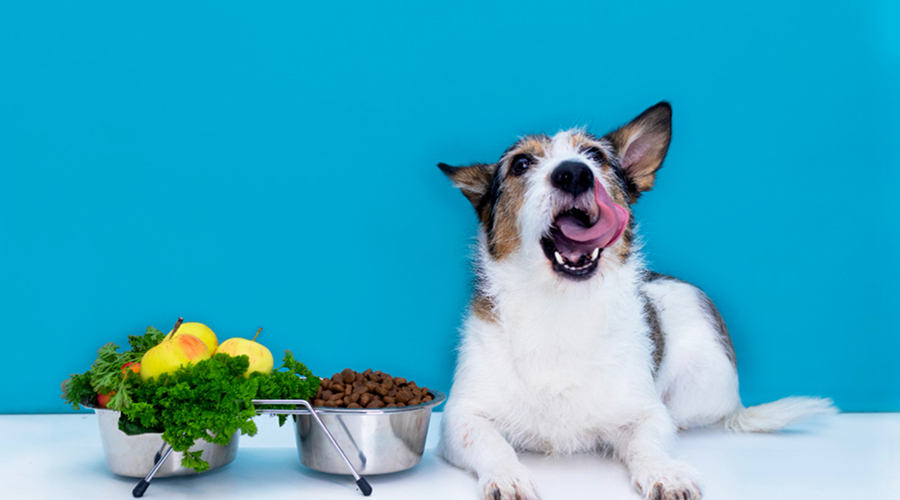

The Link Between Dog Food and Dental Health
A dog’s smile may not be something we think about every day, but oral health plays a huge role in overall wellbeing. Healthy teeth and gums support proper eating, prevent pain, and reduce the risk of infections spreading to vital organs. Many pet parents focus on brushing or vet checkups, yet daily habits at home have just as much impact. What your dog eats and how they engage their mouth throughout the day can either support or harm dental health. In fact, dog food choices and the use of dog toys can influence plaque buildup, gum strength, and long-term oral comfort from puppyhood to senior years.
Understanding this connection helps you make smarter, everyday decisions that quietly protect your dog’s teeth without stress or complicated routines.
Why Dental Health Matters for Dogs
Dental health is not just about fresh breath. When plaque and tartar accumulate, they can lead to gingivitis, periodontal disease, tooth loss, and chronic pain. These problems often go unnoticed because dogs instinctively hide discomfort.
Common Dental Problems in Dogs
Many dogs experience oral issues by the age of three. Plaque forms when bacteria mix with saliva and food particles. If not managed, it hardens into tartar, irritating the gums and creating pockets where bacteria thrive. Over time, this can result in inflamed gums, loose teeth, and infections that may spread to the heart, liver, or kidneys.
Signs Your Dog May Have Dental Issues
Bad breath is often the first noticeable sign, but it’s not the only one. Red or bleeding gums, difficulty chewing, pawing at the mouth, drooling, or a sudden preference for soft meals can all indicate oral discomfort. Recognizing these signs early allows you to take preventive steps before serious damage occurs.
How Diet Influences Oral Health
What your dog eats affects more than digestion and energy levels. Texture, composition, and eating habits all influence how clean the teeth stay over time.
The Role of Texture and Crunch
Dry, crunchy meals can help reduce plaque buildup by gently scraping the tooth surface during chewing. This mechanical action doesn’t replace brushing, but it does support cleaner teeth compared to sticky or overly soft options that cling to enamel.
On the other hand, very soft or moist meals may leave residues behind, creating an environment where bacteria can multiply. This doesn’t mean soft meals are bad in all cases, especially for seniors or dogs with missing teeth, but it highlights the importance of balancing texture with dental care.
Nutrients That Support Teeth and Gums
Calcium and phosphorus are essential for strong teeth, while vitamins like A, C, and E help maintain healthy gums and tissues. Proteins support tissue repair, and omega fatty acids can reduce inflammation in the mouth. A balanced diet ensures that the mouth has the building blocks it needs to stay resilient against everyday wear and bacterial exposure.
Frequency and Eating Habits
How often your dog eats can also influence dental health. Frequent snacking may mean more food particles remain in the mouth throughout the day. Structured mealtimes allow saliva to do its natural cleaning work between meals, helping wash away bacteria and debris.
Chewing as a Natural Cleaning Mechanism
Chewing is one of the most effective natural behaviors for maintaining oral hygiene. It stimulates saliva production, strengthens jaw muscles, and helps dislodge plaque before it hardens.
Why Chewing Matters
When dogs chew, friction is created against the teeth, particularly the molars and premolars where plaque tends to accumulate. This action mimics a mild cleaning effect. Chewing also supports mental wellbeing, reducing stress that might otherwise lead to destructive habits.
Choosing Safe Chewing Options
Not all chewable items are created equal. Items that are too hard can crack teeth, while those that break into sharp pieces can cause injury. The safest options are those designed to be firm yet flexible enough to yield under pressure, allowing extended chewing without excessive risk.
This is where dog toys designed specifically for oral engagement can make a difference, offering both entertainment and gentle cleaning support without replacing proper dental care routines.
Age-Specific Dental Needs
A dog’s dental requirements change throughout life. Understanding these shifts allows you to adapt care strategies accordingly.
Puppies and Early Habits
Puppies go through teething phases that make chewing especially important. During this stage, gentle chewing helps relieve discomfort and encourages healthy jaw development. Introducing positive oral habits early makes it easier to maintain dental care as your dog grows.
Adult Dogs and Maintenance
For adult dogs, consistency is key. Balanced meals, regular chewing opportunities, and periodic inspections of the mouth help keep problems at bay. Adult dogs often appear fine on the surface, but this is when plaque quietly accumulates if not managed.
Senior Dogs and Special Considerations
Older dogs may experience receding gums, weakened teeth, or existing dental disease. Softer textures may be necessary, but that doesn’t mean oral care should be ignored. Seniors benefit from gentle chewing activities, vet-approved dental routines, and close monitoring for signs of discomfort.
The Hidden Impact of Poor Oral Health
Neglecting dental care doesn’t just affect the mouth. Bacteria from infected gums can enter the bloodstream, potentially impacting organs such as the heart and kidneys. Chronic pain from dental disease can also change behavior, leading to irritability, reduced appetite, or withdrawal from play.
Dogs with healthy mouths tend to be more energetic, social, and eager to eat. This connection between oral comfort and quality of life is often underestimated until problems become severe.
Supporting Dental Health Beyond the Bowl
While diet and chewing play a major role, they work best when combined with other simple habits.
Regular Mouth Checks
Taking a few minutes each week to look at your dog’s teeth and gums can help you catch early signs of trouble. Look for redness, swelling, discoloration, or broken teeth. Early detection often means simpler solutions.
Professional Cleanings
Veterinary dental cleanings, when recommended, remove hardened tartar that home care cannot. These procedures are especially important for breeds prone to dental issues or dogs with a history of oral disease.
Consistency Over Perfection
You don’t need a complicated routine to make a difference. Small, consistent actions performed regularly are far more effective than occasional intense efforts. Over time, these habits compound into noticeable improvements in oral health.
Myths About Canine Dental Care
There are several misconceptions that can prevent pet parents from taking action.
“Bad Breath Is Normal”
While many dogs have mild odors, strong or worsening bad breath is usually a sign of bacterial buildup or infection. It should be seen as a warning, not a normal trait.
“Chewing Alone Is Enough”
Chewing helps, but it doesn’t remove all plaque or address gum health fully. It’s one piece of a broader approach that includes diet choices, observation, and professional care when needed.
“Only Older Dogs Have Dental Problems”
Dental disease can begin early, especially in smaller breeds. Waiting until a dog is older often means dealing with more advanced issues that could have been prevented.
Building a Long-Term Dental Care Mindset
Dental health is not a one-time task; it’s an ongoing part of responsible pet care. When you think of oral health as something supported daily through meals, chewing, and awareness, it becomes easier to maintain without stress.
The goal is not perfection but prevention. By supporting the mouth in small, consistent ways, you reduce the risk of painful conditions and help your dog enjoy meals and playtime comfortably for years.
Wrapping Up
A healthy mouth supports a healthy dog, influencing comfort, behavior, and longevity. Thoughtful choices around meals, chewing habits, and routine observation can dramatically reduce dental problems over time. By understanding how everyday factors shape oral health, you empower yourself to protect your dog from avoidable pain and complications.
When diet texture, chewing opportunities, and awareness work together, dental care becomes a natural part of daily life rather than a challenge. Your dog may not thank you with words, but a brighter smile, better appetite, and playful energy will speak volumes.