
How Do Spot Lights Enhance Interior and Exterior Lighting Design?
Lighting is one of the most crucial elements in both interior and exterior design. Whether it’s highlighting architectural features, creating ambiance, or ensuring safety, the right lighting can transform any space. Among the many options available, spot lights and street lights play a pivotal role in enhancing design aesthetics while providing functional illumination. From cozy living rooms to grand outdoor areas, the strategic use of these lighting solutions can dramatically improve the look and feel of a space.
Understanding Spot Lights and Their Applications
Spot lights are focused lighting fixtures designed to illuminate specific areas or objects. Unlike general lighting that spreads light evenly across a room, spot lights create emphasis and highlight features. This capability makes them ideal for accent lighting in interior spaces. For example, in a living room, spot lights can be used to highlight a piece of artwork, a decorative wall, or even a seating area. In addition, these lights often come with adjustable heads, allowing homeowners and designers to direct the beam precisely where it’s needed.
One of the advantages of spot lights is their versatility. They are available in various sizes, colors, and mounting options. Ceiling-mounted spot lights can provide a soft, diffused glow or a sharp, concentrated beam. Track lighting, a popular form of spot lighting, allows multiple adjustable spot lights along a single track, making it perfect for art galleries, kitchens, and retail spaces where dynamic lighting is necessary. In homes, spot lights are often installed in hallways, kitchens, and bedrooms to highlight furniture or design elements.
Enhancing Interior Design with Spot Lights
Interior design thrives on layers of light. Spot lights contribute to these layers by offering accent and task lighting that complements ambient and decorative lighting. For instance, in a modern kitchen, spot lights over countertops ensure functional illumination for cooking and preparation, while simultaneously drawing attention to stylish backsplash tiles or cabinetry. Similarly, in a living room or study, spot lights can create cozy reading nooks or accentuate a statement wall.
Beyond functionality, spot lights influence the mood and perception of a space. A dimmed spot light can make a room feel intimate, while a bright, directed beam can highlight architectural details or sculptures. Interior designers often use spot lights to play with shadows and depth, adding a sense of dimension that flat, general lighting cannot achieve. The combination of adjustable intensity and directionality makes spot lights a designer’s tool for both practical and aesthetic purposes.
Spot Lights in Commercial Spaces
Commercial interiors also benefit significantly from spot lights. Retail stores, for instance, rely on focused lighting to attract attention to featured products. By placing spot lights strategically, stores can guide customers’ eyes to promotions, new arrivals, or high-value items. Museums and galleries use spot lights to illuminate artwork without causing glare or damaging sensitive materials. Restaurants often employ spot lights to create an intimate dining experience, highlighting table settings and decor while maintaining a warm, inviting atmosphere.
Street Lights: Exterior Lighting with Purpose
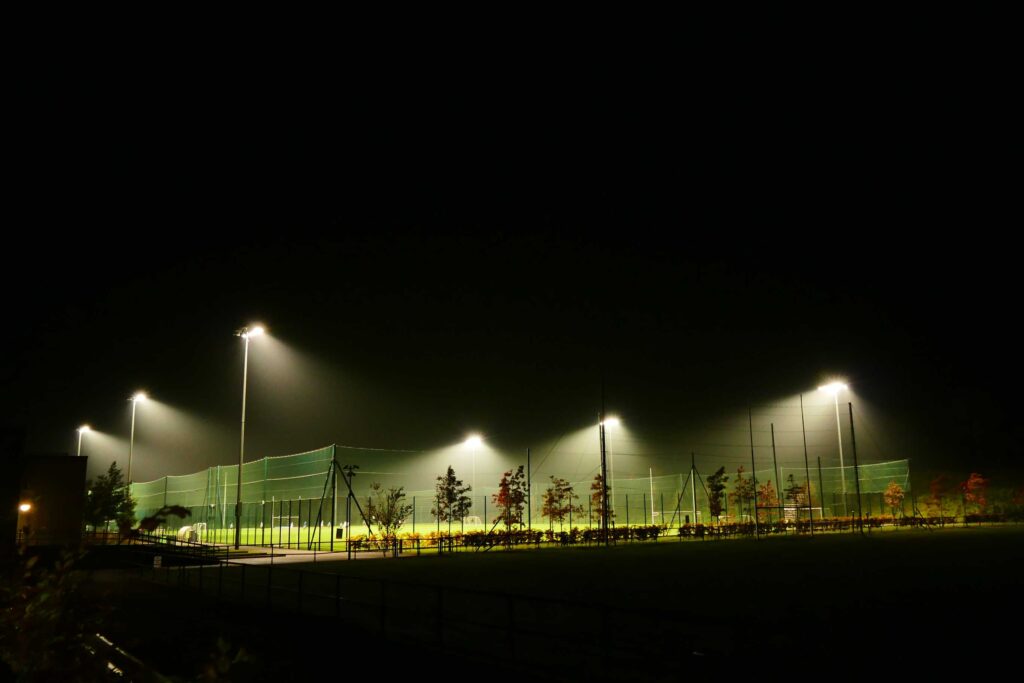
While spot lights dominate interior spaces, street lights are essential for exterior illumination. They provide safety, visibility, and ambiance to public and private outdoor areas. Well-designed street lighting not only improves visibility for pedestrians and drivers but also enhances the aesthetics of urban landscapes. Modern street lights come in various designs, including LED options that offer energy efficiency and longer lifespans.
Street lights can be used creatively to highlight architectural elements of buildings or landscape features such as gardens, fountains, and pathways. In residential neighborhoods, carefully placed street lights enhance safety while complementing the home’s exterior design. Public parks, urban squares, and walkways also benefit from street lighting that blends functionality with visual appeal.
Integrating Spot Lights in Outdoor Spaces
Spot lights are not limited to interiors—they are highly effective in exterior design as well. Outdoor spot lights can illuminate trees, sculptures, patios, and building facades, creating dramatic visual effects at night. By directing focused beams onto specific features, designers can create depth and intrigue in a landscape, making outdoor areas inviting and visually appealing after dark.
For example, placing spot lights at the base of a tree can create a stunning upward glow, emphasizing the tree’s structure and foliage. Similarly, spot lights around a water feature can highlight reflections and textures, enhancing the nighttime ambiance. Combining spot lights with street lights ensures both decorative and functional lighting, balancing aesthetic appeal with safety and visibility.
Advantages of LED Spot Lights
LED technology has revolutionized both spot lights and street lights. LED spot lights are energy-efficient, long-lasting, and available in various color temperatures, from warm to cool. This flexibility allows designers to match lighting with the desired mood and purpose. LED spot lights also produce less heat than traditional bulbs, making them safer for enclosed or delicate spaces.
For outdoor applications, LED street lights provide consistent illumination with minimal maintenance. They consume less electricity while offering brighter, clearer light, reducing the risk of accidents and improving visibility. LED technology also allows for smart controls, including motion sensors, timers, and dimming options, making lighting more adaptable and sustainable.
Design Considerations for Spot Lights
When using spot lights, several factors should be considered to maximize their impact. The first is placement. Spot lights should be positioned to highlight key elements without causing glare or uneven illumination. The beam angle is also important: a narrow beam is ideal for accentuating specific objects, while a wider beam can illuminate larger areas more subtly.
Another consideration is the color temperature. Warm white lights (2700–3000K) create a cozy, inviting atmosphere, while cooler white lights (4000–5000K) are suitable for task-oriented areas or modern designs. Dimmers and adjustable heads provide additional flexibility, allowing lighting to be tailored to different times of day or activities.
For exterior spot lighting, consider weather resistance and durability. Fixtures must withstand rain, wind, and temperature fluctuations. Many outdoor spot lights are designed with IP ratings to ensure they function effectively in various environmental conditions.
Combining Spot Lights and Street Lights for Cohesive Design
The most effective lighting designs integrate both spot lights and street lights to create a cohesive environment. For instance, a residential property might use spot lights to accentuate landscaping, while street lights provide safe and attractive illumination along driveways and pathways. In commercial settings, a combination of interior spot lights and exterior street lights ensures that the building’s design is highlighted both inside and out.
By considering both aesthetic and functional aspects, designers can create spaces that are visually appealing and practical. Layered lighting, which combines ambient, accent, and task lighting, allows spot lights and street lights to work together, enhancing the overall design experience.
Energy Efficiency and Sustainability
Modern lighting solutions, including LED spot lights and street lights, contribute to sustainability goals. Energy-efficient lighting reduces electricity consumption and lowers carbon footprints. Smart lighting systems further enhance efficiency by adjusting brightness based on natural light, occupancy, or time of day. Choosing durable, low-maintenance lighting fixtures also reduces waste, making both interior and exterior lighting more environmentally responsible.
Spot Lights for Safety and Security
Beyond aesthetics, spot lights play a crucial role in safety and security. Well-lit interiors reduce the risk of accidents, such as trips and falls, while illuminated exteriors deter potential intruders. Spot lights strategically placed around entrances, pathways, and outdoor recreational areas ensure that spaces are not only beautiful but also secure. When combined with street lights, these lighting solutions create a well-lit, safe environment for residents, visitors, and employees.
Final Thoughts
Lighting design is more than just illumination—it’s an essential element of architecture, interior design, and landscape planning. Spot lights and street lights offer versatile solutions that enhance both aesthetics and functionality, from highlighting architectural features to improving safety and visibility. By carefully considering placement, color temperature, beam angle, and energy efficiency, designers and homeowners can create visually stunning and practical environments.
Whether indoors or outdoors, spot lights bring focus, depth, and elegance, while street lights ensure safety, clarity, and continuity. Integrating these lighting solutions thoughtfully can transform ordinary spaces into extraordinary experiences, making them inviting, functional, and memorable. The right lighting, after all, is not just about seeing—it’s about experiencing spaces in their full beauty and potential.