
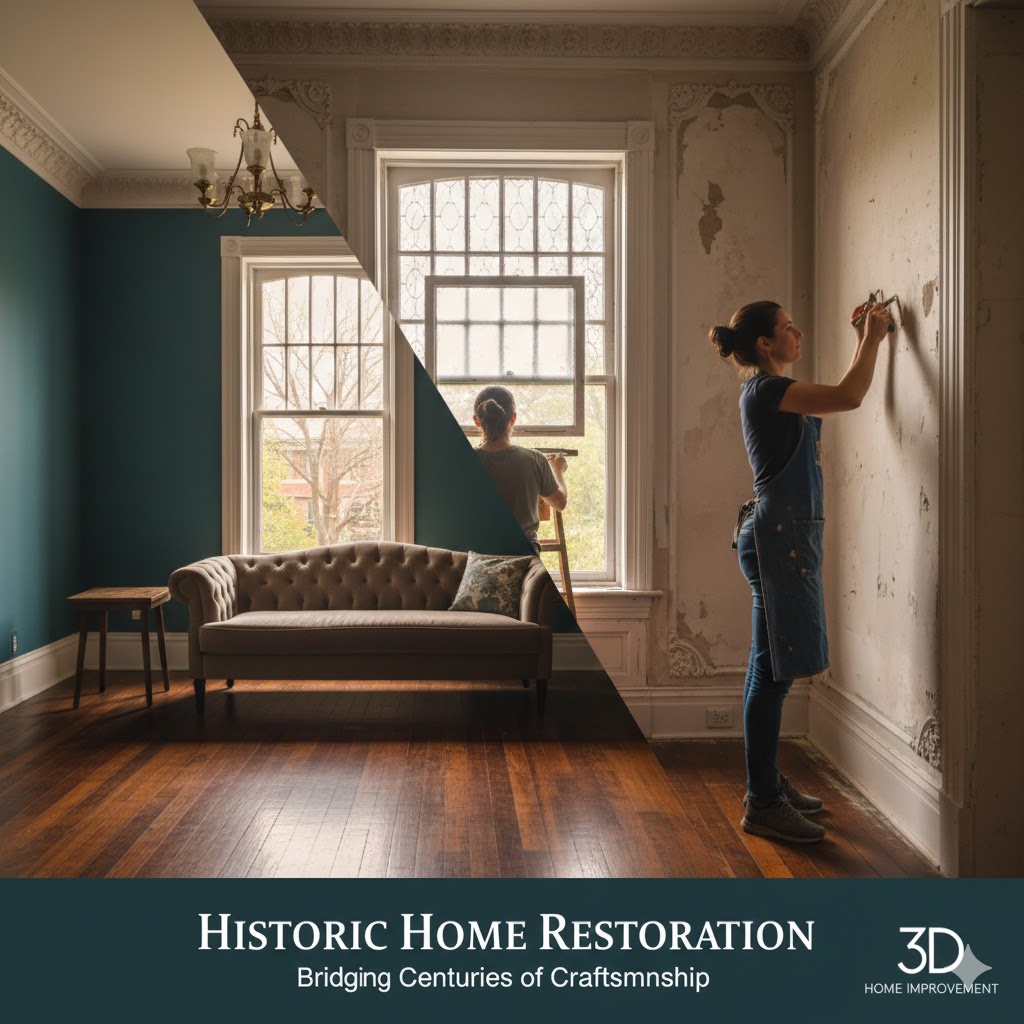

A historic home is more than a structure; it is a living vessel of narrative, a physical manifestation of the craftsmanship, social values, and aesthetic sensibilities of a bygone era. To embark on a Historic Home Restoration is to enter into a silent dialogue with the past. It is an act of stewardship that requires a delicate balance between the romanticism of antiquity and the practicalities of modern habitation.
Unlike a standard renovation, which often seeks to replace the old with the new, true restoration is rooted in the philosophy of preservation. It is the meticulous process of returning a building to its original state of grace while ensuring it remains a functional sanctuary for the present day. This guide explores the philosophy, challenges, and specialized techniques required to breathe new life into the architectural treasures of our ancestors.
The Philosophy of Preservation: Restoration vs. Renovation
Before the first floorboard is sanded or the first layer of paint is stripped, it is vital to understand the ethical framework of Historic Home Restoration. While “renovation” focuses on making a space better or newer, “restoration” focuses on accuracy and the retention of original character.
The golden rule of restoration is “repair rather than replace.” An original hand-blown glass window, despite its slight undulations and imperfections, possesses a soul that a modern, double-paned replacement cannot replicate. Restoration experts look for the “DNA” of the house—the specific joinery, the composition of the plaster, and the profile of the crown molding and seek to honor those details above all else.
Architectural Forensics: Uncovering the Layers of History
Every historic home has undergone changes over the decades. Part of the restoration journey is playing the role of an architectural detective. This phase, often called architectural forensics, involves peeling back the “remuddling” the poorly executed updates from the 1970s or 80s—to find the original Intent of the builder.
Stratigraphic Paint Analysis: By carefully sanding through layers of paint on a doorframe, restorers can identify the original color palette of the Victorian or Federal period.
Structural Dating: Examining the tool marks on floor joists or the type of nails used (hand-forged vs. cut vs. wire) can help determine the exact decade of different wings of the house.
Archival Research: Professional restorers often dive into municipal records, historical society photographs, and old maps to see the home’s original silhouette before subsequent additions changed its profile.
The Mastery of Period-Accurate Materials
One of the greatest hurdles in historic home restoration is the sourcing of materials that match the quality and aesthetics of the past. Modern lumber, grown quickly for commercial use, does not have the density or grain pattern of the old-growth timber used a century ago.
The Integrity of Lime Plaster
In many historic homes, modern drywall is an intruder. Original walls were typically made of lath and lime plaster, a material that “breathes” and moves slightly with the house. Restoring these surfaces requires a specialized artisan who understands the chemical composition of lime and the traditional three-coat application process.
Reclaiming and Salvaging
When original elements are missing or damaged beyond repair, the restoration professional turns to architectural salvage. Finding a fireplace mantel from the same era or heart-pine flooring salvaged from a local mill of the same period ensures that the “new” additions are indistinguishable from the original fabric of the home.
Integrating Modern Systems into Antique Skeletons
The most complex aspect of historic home restoration is the “invisible update.” Modern families require climate control, high-speed internet, and energy efficiency, none of which were envisioned by the architects of the 19th century.
High-Velocity HVAC Systems
To avoid lowering ceilings or cutting through ornate plasterwork to install bulky ductwork, restorers often use high-velocity systems with small, flexible tubes that can be snaked through existing wall cavities.
Electrical and Plumbing Upgrades
Safety is paramount. Replacing knob-and-tube wiring or lead piping is a non-negotiable part of the process. The challenge lies in placing outlets and fixtures in a way that feels organic to the room’s design, often hiding them within cabinetry or using period-appropriate brass and porcelain hardware.
The Windows: The Eyes of the Home
Windows are arguably the most important feature of a historic facade. Many homeowners are tempted to replace original sashes with modern vinyl for the sake of insulation. However, a properly restored wooden window, fitted with high-quality weatherstripping and a discreet storm window, can achieve nearly the same thermal efficiency as a modern replacement.
Restoring the original sashes preserves the thin “muntins” and the character-rich “wavy” glass that defines the home’s exterior aesthetic. This is a labor of love that involves removing old lead paint, repairing rot with epoxy consolidants, and re-glazing with traditional linseed oil putty.
The External Envelope: Masonry and Roofing
The exterior of a historic home is its first line of defense. Restoring the masonry requires more than just filling gaps with cement.
Repointing with Lime Mortar: Using modern Portland cement on historic bricks can be disastrous. Because modern cement is harder than old brick, it doesn’t allow for the natural expansion and contraction of the walls, leading to the bricks cracking or “spalling.” A restoration expert uses a softer lime-based mortar that sacrifices itself to protect the brick.
Roofing Materials: Whether it is slate, cedar shakes, or standing-seam copper, the roof must reflect the home’s heritage. A slate roof, while expensive, can last for 100 to 200 years, making it a sustainable and historically accurate choice.
The Cultural Value of Restoration
Beyond the financial investment, historic home restoration is a contribution to the cultural fabric of a community. It prevents the homogenization of our neighborhoods and preserves the unique local identity that defines a city’s history. These homes are landmarks of human ingenuity and artistic expression. By restoring them, we ensure that the story of our past remains a vibrant part of our future.
To ensure the structural longevity of your period property, it is crucial to remain vigilant against hidden threats; our specialized insights into advanced moisture localization and diagnostics provide the first line of defense against foundation decay.
Conclusion
Restoring a piece of history is a journey of patience, precision, and passion. It requires a partner who sees beyond the dust and the decay to the timeless beauty hidden beneath. It is about honoring the hands that laid the original bricks while ensuring the home is ready for the hands that will hold its keys for the next hundred years.
When you are ready to elevate your interior with a project that defies the ordinary, you need a partner who understands the harmony of form and function. At 3D Home Improvement, we specialize in bringing these complex visions to life, ensuring that your custom furniture and historic restoration projects are not just a centerpiece, but a masterpiece of modern living.

