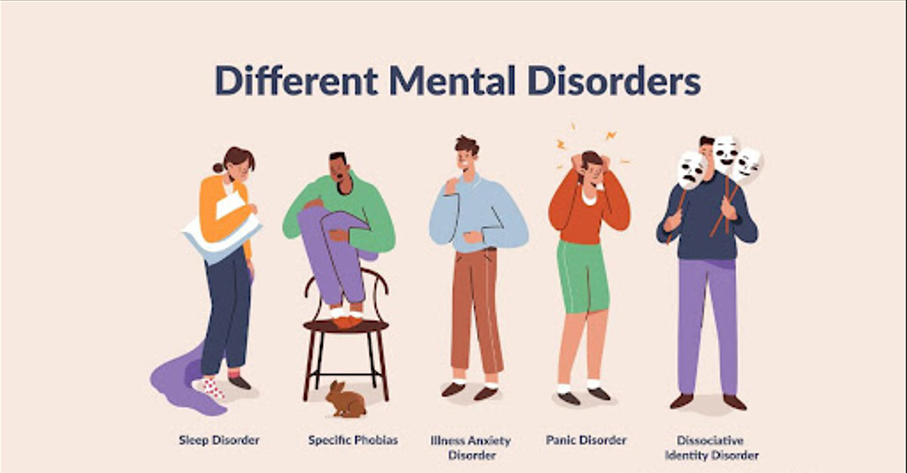

1. Anxiety Disorders and the Weight of Constant Worry
Anxiety disorders are among the most common mental health conditions worldwide, affecting people of all ages and backgrounds. They are characterized by persistent fear, excessive worry, and a heightened sense of nervousness that interferes with daily life. Unlike normal stress, anxiety disorders do not simply fade once a situation passes; they linger and often intensify over time. Generalized anxiety disorder, panic disorder, social anxiety disorder, and specific phobias all fall under this category. Individuals may experience symptoms such as rapid heartbeat, sweating, restlessness, difficulty concentrating, and sleep disturbances. These conditions can limit personal relationships, career growth, and overall quality of life. When left untreated, anxiety disorders may also contribute to physical health issues, including high blood pressure and weakened immunity. Understanding anxiety disorders is essential because early recognition and appropriate support can significantly reduce their long-term impact.
2. Depressive Disorders and the Depth of Emotional Pain
Depressive disorders go far beyond occasional sadness or temporary low moods. They involve persistent feelings of emptiness, hopelessness, and a loss of interest in activities that once brought joy. Major depressive disorder, persistent depressive disorder, and seasonal affective disorder are some of the most recognized forms. People living with depression often struggle with fatigue, changes in appetite, sleep irregularities, difficulty concentrating, and feelings of worthlessness. Depression can affect anyone, regardless of age or social status, and it often coexists with other mental health conditions such as anxiety. The disorder can make even simple daily tasks feel overwhelming, leading to social withdrawal and reduced productivity. Importantly, depression is not a sign of weakness but a serious mental health condition that requires understanding, empathy, and proper care.
3. Bipolar Disorder and the Extremes of Mood
Bipolar disorder is defined by dramatic shifts in mood, energy levels, and behavior, ranging from manic highs to depressive lows. During manic episodes, individuals may feel euphoric, overly confident, and energized, often engaging in impulsive or risky behaviors. Depressive episodes, on the other hand, resemble severe depression, with deep sadness and lack of motivation. These mood swings can disrupt relationships, finances, and professional life if not properly managed. The unpredictability of bipolar disorder makes it particularly challenging for both individuals and their loved ones. Discussions around mental health sometimes intersect with broader wellbeing topics, where unrelated terms such as Kamagra Oral Jelly trusted sellers may appear in general lifestyle conversations, but bipolar disorder itself is rooted in complex neurological and psychological factors. With accurate diagnosis and consistent treatment, many people with bipolar disorder can lead stable and fulfilling lives.
4. Schizophrenia Spectrum Disorders and Altered Perception
Schizophrenia spectrum disorders are severe mental health conditions that affect how a person thinks, feels, and perceives reality. Common symptoms include hallucinations, delusions, disorganized thinking, and impaired emotional expression. These experiences can be frightening and confusing, often leading to social isolation and difficulty maintaining employment or relationships. The onset typically occurs in late adolescence or early adulthood, and the condition often requires long-term management. Public misunderstanding and stigma surrounding schizophrenia can worsen the challenges faced by those living with it. In broader online discussions about health and lifestyle, unrelated phrases like Super Kamagra trusted online store may surface, but it is crucial to separate such references from the serious nature of psychotic disorders. Compassionate care, structured support, and ongoing treatment are essential for improving outcomes and reducing stigma.
5. Obsessive-Compulsive Disorder and Intrusive Thought Patterns
Obsessive-compulsive disorder, commonly known as OCD, is marked by intrusive, unwanted thoughts and repetitive behaviors performed to reduce anxiety. Obsessions may include fears of contamination, harm, or losing control, while compulsions often involve excessive cleaning, checking, or counting. Although individuals with OCD usually recognize that their thoughts and behaviors are irrational, they feel powerless to stop them. This cycle can consume hours each day, interfering with work, relationships, and personal wellbeing. OCD is not about being neat or organized; it is a debilitating condition that causes significant distress. Proper understanding of OCD helps dismantle stereotypes and encourages those affected to seek professional help without shame.
6. Post-Traumatic Stress Disorder and Lingering Trauma
Post-traumatic stress disorder, or PTSD, develops after exposure to a traumatic event such as violence, accidents, natural disasters, or abuse. Individuals with PTSD may relive the trauma through flashbacks, nightmares, or intrusive memories. They often experience heightened alertness, emotional numbness, and avoidance of reminders associated with the trauma. PTSD can alter how a person views themselves and the world, leading to feelings of fear, mistrust, or guilt. While commonly associated with military service, PTSD can affect anyone who has experienced trauma. Recognizing PTSD as a legitimate mental health disorder is essential for ensuring access to appropriate care and reducing the stigma that often prevents people from seeking help.
7. Eating Disorders and Distorted Self-Image
Eating disorders are complex mental health conditions that involve unhealthy relationships with food, body image, and self-worth. Anorexia nervosa, bulimia nervosa, and binge-eating disorder are among the most common types. These disorders are not simply about dieting or weight; they are deeply rooted in emotional pain, control issues, and distorted self-perception. People with eating disorders may engage in extreme behaviors such as food restriction, purging, or compulsive overeating, often accompanied by intense shame and secrecy. The physical consequences can be severe, affecting the heart, digestive system, and overall metabolism. Early intervention and compassionate treatment are critical, as eating disorders have one of the highest mortality rates among mental health conditions.
8. Personality Disorders and Enduring Behavioral Patterns
Personality disorders involve long-standing patterns of thinking, feeling, and behaving that deviate from cultural expectations and cause significant distress or impairment. Conditions such as borderline personality disorder, narcissistic personality disorder, and antisocial personality disorder fall under this category. These patterns often affect interpersonal relationships, emotional regulation, and self-image. Unlike temporary mental health issues, personality disorders are deeply ingrained and typically develop during adolescence or early adulthood. People with personality disorders may struggle with intense emotions, unstable relationships, or impulsive behaviors. Understanding these disorders requires empathy and patience, as individuals are not choosing their patterns but are shaped by a complex mix of genetics, environment, and life experiences.
9. Neurodevelopmental Disorders and Lifelong Challenges
Neurodevelopmental disorders usually begin in childhood and affect brain development, leading to challenges in learning, communication, and behavior. Autism spectrum disorder, attention-deficit/hyperactivity disorder, and learning disabilities are well-known examples. These conditions can persist into adulthood, influencing academic performance, employment, and social interactions. While they present challenges, neurodevelopmental disorders also come with unique strengths, such as creativity, focus, or problem-solving abilities. Increased awareness and inclusive practices have helped shift perspectives from limitations to neurodiversity. Supportive environments, early diagnosis, and individualized strategies play a crucial role in helping individuals thrive.
10. Substance Use Disorders and the Cycle of Dependence
Substance use disorders involve the harmful or compulsive use of substances such as alcohol, prescription medications, or illicit drugs. What may begin as casual use can evolve into dependence, where individuals feel unable to function without the substance. These disorders affect brain chemistry, decision-making, and impulse control, often leading to strained relationships and legal or financial problems. Substance use disorders frequently co-occur with other mental health conditions, creating a complex cycle that is difficult to break. Recovery is possible, but it often requires a combination of medical support, therapy, and social encouragement. Viewing substance use disorders through a mental health lens rather than moral judgment is essential for effective prevention and treatment.