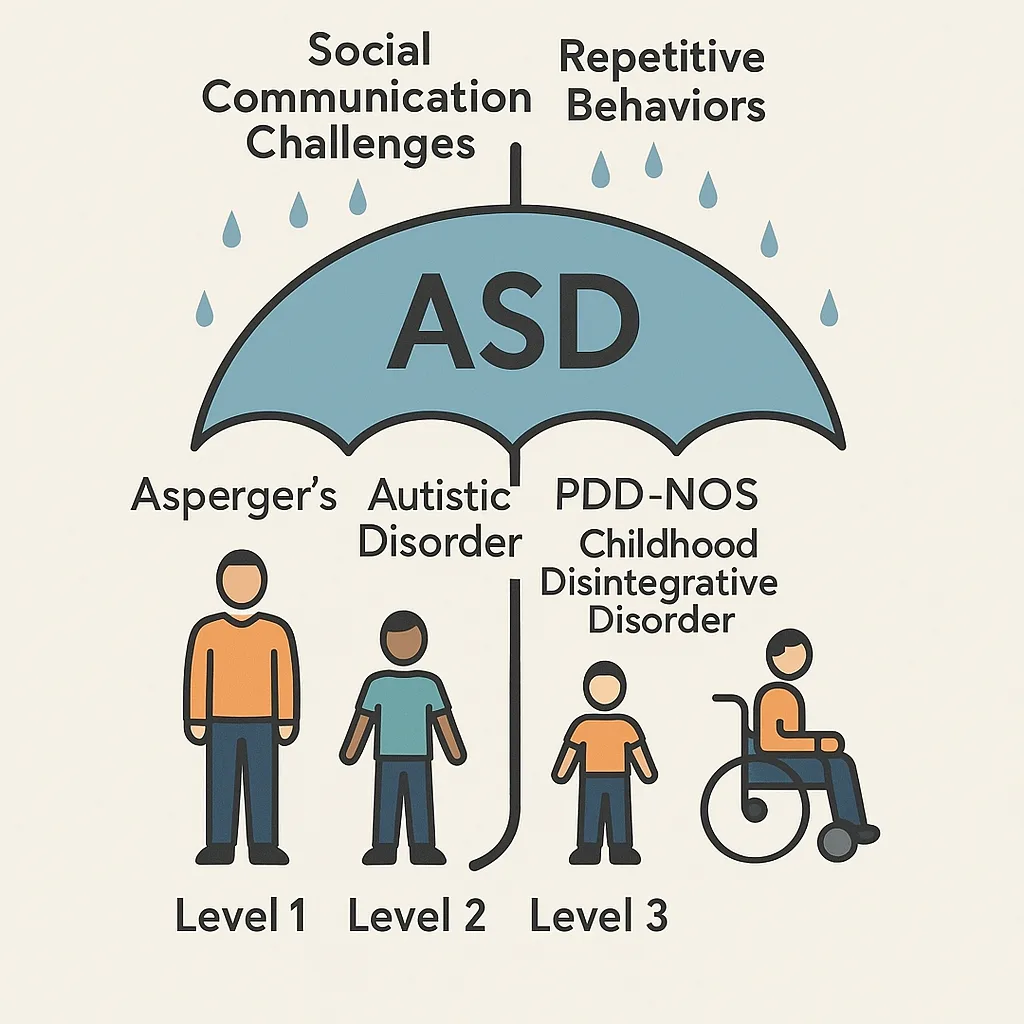

Autism Spectrum Disorder (ASD) is a developmental condition that affects how a person communicates, interacts socially, and processes information. Every child with autism is unique, facing different challenges and demonstrating individual strengths. While some children may struggle with verbal communication, others may find social interaction challenging. Behavioral issues, sensory sensitivities, and repetitive behaviors are also common characteristics.
Parents and caregivers often experience confusion and anxiety when trying to determine the best ways to support their child. Early intervention and structured therapy can significantly improve outcomes, helping children reach their potential and live fulfilling lives. This is where Autism Therapy in Brampton becomes essential for families seeking specialized support.
Why Early Intervention Matters
Research consistently shows that early intervention can make a substantial difference in the developmental trajectory of children with autism. Engaging in therapy at a young age helps children acquire critical skills before behavioral patterns become more rigid. Early intervention programs often focus on:
-
Language development: Encouraging communication through words, gestures, or assistive devices.
-
Social skills: Teaching children how to interact appropriately with peers and adults.
-
Behavior management: Reducing repetitive behaviors and addressing challenges such as aggression or anxiety.
-
Daily living skills: Helping children gain independence in eating, dressing, and self-care.
By starting therapy early, families can equip children with the tools they need for long-term success. In Brampton, specialized centers provide structured programs that cater to individual needs, ensuring personalized care.
Types of Autism Therapy Available in Brampton
Several evidence-based therapies are available for children with autism. Each therapy focuses on different areas of development, and a combination of approaches often yields the best results.
1. Applied Behavior Analysis (ABA) Therapy
ABA is one of the most widely recognized therapies for autism. It uses positive reinforcement to encourage desired behaviors and reduce unwanted behaviors. ABA therapy helps children improve social interactions, communication skills, and learning abilities through structured, measurable techniques.
2. Speech and Language Therapy
Many children with autism face difficulties in verbal communication. Speech therapy focuses on improving language skills, articulation, and understanding. Therapists also work on nonverbal communication, such as gestures, facial expressions, and body language.
3. Occupational Therapy
Occupational therapy (OT) helps children develop fine motor skills, sensory integration, and daily living skills. OT can reduce sensory sensitivities and improve a child’s ability to function independently in school and home environments.
4. Social Skills Groups
Social skills groups provide children with a safe and structured environment to practice interaction with peers. Activities may include role-playing, games, and collaborative projects, which encourage communication, cooperation, and empathy.
5. Family Counseling and Support
Family involvement is critical in autism therapy. Counseling helps parents understand their child’s needs, teaches strategies to manage challenging behaviors, and provides emotional support for the entire family.
Choosing the Right Autism Therapy Center in Brampton
Selecting the right therapy center is a crucial step in ensuring effective treatment. Parents should consider several factors when evaluating options:
-
Credentials and experience: Ensure that therapists are certified and experienced in working with children on the autism spectrum.
-
Individualized programs: Look for centers that create customized treatment plans tailored to each child’s strengths and challenges.
-
Family involvement: A strong therapy program involves parents in goal setting and progress tracking.
-
Positive environment: The center should provide a welcoming, safe, and engaging atmosphere for children.
-
Evidence-based approaches: Ensure that therapies are backed by scientific research and proven to be effective.
In Brampton, there are numerous specialized centers offering comprehensive autism support. Families should schedule consultations, observe sessions, and ask questions to make an informed choice.
The Role of Parents and Caregivers
Parents and caregivers are integral to the success of autism therapy. Consistency between therapy sessions and home routines reinforces learning and helps children generalize skills to real-life situations. Tips for parents include:
-
Establish a structured daily routine.
-
Use visual schedules and cues to enhance understanding.
-
Reinforce positive behaviors with praise and rewards.
-
Collaborate closely with therapists to track progress and adjust strategies.
-
Seek support from local parent groups or online communities.
When parents actively participate in therapy, children experience faster and more sustained progress.
Measuring Progress and Celebrating Milestones
Monitoring a child’s progress is essential for effective therapy. Therapists regularly assess improvements in communication, social interactions, behavior, and daily living skills. Celebrating milestones, no matter how small, encourages continued growth and motivation.
Some indicators of progress include:
-
Increased verbal communication or alternative communication use.
-
Improved social engagement and interaction with peers.
-
Reduction in disruptive or self-injurious behaviors.
-
Greater independence in daily activities.
Tracking progress helps parents and therapists identify areas that need more attention and adapt strategies to maximize outcomes.
Why Brampton is a Great Choice for Autism Therapy
Brampton offers several advantages for families seeking autism support:
-
Diverse therapy centers: From private clinics to community programs, families have access to a variety of specialized services.
-
Qualified professionals: Experienced therapists with expertise in ABA, OT, speech therapy, and counseling are readily available.
-
Supportive community: Local support groups, events, and workshops help families connect with others facing similar challenges.
-
Proximity to educational resources: Schools in Brampton offer programs accommodating children with special needs.
The combination of high-quality therapy, family support, and community resources makes Brampton an ideal location for accessing effective autism care.
Conclusion
Investing in Autism Therapy in Brampton can have a transformative impact on a child’s life. With the right therapy programs, family involvement, and community support, children with autism can develop vital social, communication, and behavioral skills. Families are encouraged to explore evidence-based therapies, choose reputable centers, and actively participate in the therapeutic process. Early and consistent intervention provides children with the foundation for independence, confidence, and success.
Autism therapy is not just about addressing challenges—it’s about empowering children to thrive and celebrate their unique abilities. Brampton’s dedicated professionals and supportive community offer the guidance and resources families need on this journey.