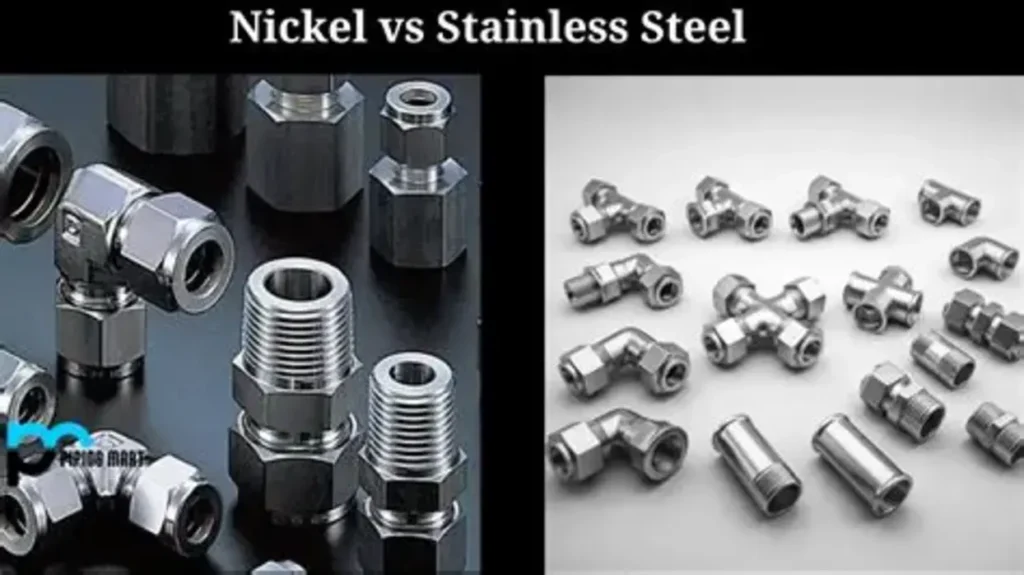

Fasteners rarely get the spotlight, yet they play a decisive role in the performance and safety of industrial systems. When selecting hardware for corrosive or high-temperature environments, the choice often comes down to Nickel Alloy and Stainless Steel Fasteners. Both options offer durability, but their properties, performance limits, and long-term value differ in key ways. Understanding those differences helps engineers, procurement teams, and maintenance planners make stronger and more cost-effective decisions.
Why Material Choice Matters
Fasteners are exposed to the same stresses as the components they hold together. If the fastener fails, the system fails. The material needs to match the demands of the environment: corrosion resistance, temperature tolerance, pressure conditions, and mechanical loads. Nickel alloys and stainless steels each cover a wide performance range, which is why they are widely used in oil and gas, chemical processing, marine operations, aerospace, energy, and heavy industry.
What Defines Stainless Steel Fasteners
Stainless steel is an iron-based alloy with added chromium, usually around 10 to 20 percent. Chromium forms a thin oxide layer that protects the surface from rust. Other common elements include nickel, molybdenum, and nitrogen.
- Typical Properties
- Strong resistance to atmospheric corrosion
- Good mechanical strength
- Moderate heat resistance
- Nonmagnetic options depending on grade
- Attractive finish for visible applications
Stainless steel fasteners are widely used because they balance performance and price. Grades such as 304 and 316 cover a broad set of general-purpose needs. For example, 316 stainless includes molybdenum for better resistance to chlorides, which is helpful in marine and coastal environments.
Common Applications
Stainless steel fasteners are used in food processing equipment, architectural hardware, HVAC systems, water treatment plants, marine hardware, pumps, and general industrial machinery. They are often the first choice when corrosion is a concern but conditions are not extreme.
What Defines Nickel Alloy Fasteners
Nickel alloy fasteners contain a high percentage of nickel, often more than 50 percent. They are engineered for strength and stability in environments that attack most other materials. In addition to nickel, these alloys may include chromium, molybdenum, copper, and small amounts of other strengthening elements.
- Typical Properties
- Excellent resistance to a wide range of corrosive chemicals
- Outstanding performance at high temperatures
- High tensile strength and creep resistance
- Strong resistance to stress corrosion cracking
- Stable mechanical properties in harsh environments
Nickel alloys such as Inconel, Monel, and Hastelloy are chosen when failure is simply not an option. Their protective oxide layers remain stable even under extreme thermal or chemical stress.
Common Applications
Nickel alloy fasteners are used in offshore platforms, sour gas environments, chemical reactors, heat exchangers, flue gas systems, power generation, and aerospace engines. These conditions often involve high operating temperatures, acidic or caustic fluids, or strong oxidizers that would quickly degrade other metals.
Key Differences at a Glance
Corrosion Resistance
Stainless steel offers strong general corrosion resistance and performs well in fresh water, mild chemicals, and outdoor environments. It struggles, however, in high-chloride or highly acidic conditions. Nickel alloys provide a higher level of chemical resistance and can handle aggressive acids, seawater under pressure, and mixed corrosive environments that fluctuate in temperature and pH.
Temperature Performance
Stainless steel fasteners maintain strength up to moderate temperatures, but they begin to lose structural stability as temperatures rise. Nickel alloy fasteners are built for heat. Many maintain significant strength above 600°C and resist oxidation that would damage stainless steels.
Mechanical Strength
Stainless steel provides good strength for general industrial use. Nickel alloys deliver higher tensile strength and better long-term durability under high stress. They also resist stress corrosion cracking, which is a common failure mode in demanding environments.
Cost Considerations
Stainless steel is more affordable and works well for everyday industrial needs. Nickel alloys cost significantly more, but they deliver a longer service life in environments that would destroy stainless steel. In highly corrosive or high-temperature systems, the higher upfront cost is usually outweighed by reduced maintenance and fewer failures.
When to Choose Stainless Steel Fasteners
Choose stainless steel when:
- The operating environment is mild to moderately corrosive
- Temperatures are not extreme
- Appearance is a priority
- Cost control is essential
- Equipment is accessible for routine inspection and replacement
Stainless steel fasteners remain one of the best choices for general-purpose use.
When to Choose Nickel Alloy Fasteners
Choose nickel alloy fasteners when:
- Equipment is exposed to aggressive chemicals
- Temperatures exceed the limits of stainless steel
- Downtime is costly or unsafe
- Systems run under high pressure or stress
- Long-term reliability is more important than upfront cost
Nickel alloy fasteners are an investment in stability and safety.
Final Thoughts
Both Nickel Alloy and Stainless Steel Fasteners deliver important benefits, but they serve different levels of performance. Stainless steel works well for a wide range of applications where corrosion is a concern but conditions remain within normal limits. Nickel alloys step in when systems must survive heat, pressure, or corrosive chemicals that push materials to their limits.
Baut Mur – TOKOHASIL: Selecting the right fastener material is not only about avoiding failure. It is about extending service life, improving system reliability, and managing long-term costs. For industries that depend on safe and uninterrupted operation, choosing correctly makes all the difference.