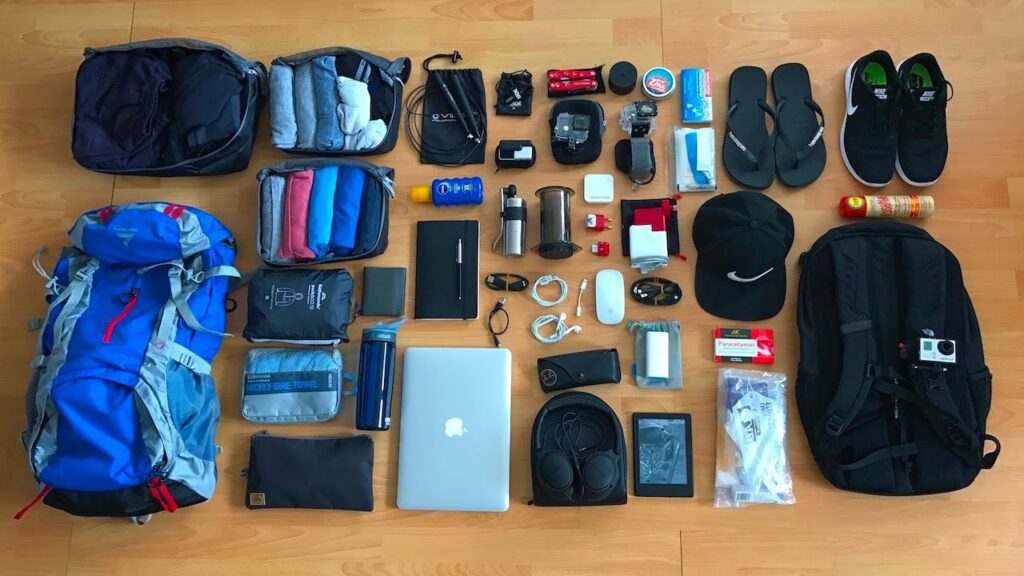

Traveling is exciting, but packing can be stressful if you don’t know where to start. Learning how to pack a backpack for travel properly can save you time, space, and energy. A well-packed backpack ensures you carry everything you need, stay organized, and avoid unnecessary weight. This guide will make your backpack packing simple, practical, and stress-free.
Why Packing a Backpack Correctly Matters
Packing your backpack correctly is more than just throwing clothes inside. It affects your comfort, organization, and even safety. A properly packed backpack:
- Makes carrying easier and balanced
- Helps you find items quickly
- Saves space for souvenirs or extra items
- Reduces the risk of damaging delicate items
- Prepares you for different weather and situations
Whether you’re going hiking, backpacking across countries, or just going on a weekend trip, learning how to pack a backpack for travel is essential.
Step 1: Choose the Right Backpack
Before packing, you need the right backpack. Consider the following:
- Size: For short trips, 30–40 liters is enough. For longer trips, 50–70 liters works well.
- Comfort: Look for padded shoulder straps and a waist belt for support.
- Compartments: Multiple pockets make organizing items easier.
- Weather resistance: Waterproof or water-resistant backpacks protect your items in rain.
A good backpack makes the packing process smoother and ensures you carry your essentials comfortably.
Step 2: Make a Packing List
Before putting anything in your backpack, create a list of what you need. This helps you avoid overpacking. A simple checklist can include:
- Clothing: Tops, bottoms, underwear, socks, jackets
- Toiletries: Toothbrush, toothpaste, shampoo, soap, travel towel
- Electronics: Phone, charger, power bank, headphones
- Documents: Passport, tickets, ID, travel insurance
- Miscellaneous: Snacks, reusable water bottle, first aid kit
Check your list twice. Only pack what you will realistically use.
Step 3: Pack in Layers
Packing in layers is key to saving space and keeping items organized. Learn the three-layer packing method:
Bottom Layer: Heavy and Non-Essential Items
Place heavier items like shoes, books, or jackets at the bottom. This keeps your backpack balanced and makes the weight closer to your hips.
Middle Layer: Clothes and Soft Items
Roll or fold clothes neatly and place them in the middle. Rolling clothes saves space and prevents wrinkles. You can also use packing cubes for better organization.
Top Layer: Essentials and Frequently Used Items
Keep items you need often, like your rain jacket, snacks, or travel documents, on top. This avoids digging through your backpack to find essentials.
Step 4: Use Packing Techniques
Several packing techniques can help you maximize space:
- Rolling Clothes: Roll shirts, pants, and towels to save space.
- Compression Bags: Useful for bulky items like jackets or sweaters.
- Packing Cubes: Keep items separated and easy to find.
- Stuffing Shoes: Fill shoes with socks or small items to save space.
These techniques make your backpack organized and easy to manage.
Step 5: Balance Your Backpack
Balancing your backpack makes it easier to carry for long periods. Tips for balance:
- Keep heavier items close to your back.
- Distribute weight evenly on both sides.
- Avoid placing too many heavy items at the top.
A well-balanced backpack reduces strain on your shoulders and back.
Step 6: Keep Essentials Accessible
While packing, consider what you might need during travel:
- Passport and travel documents
- Snacks and water
- Electronics like phone and charger
- First aid kit or medications
Place these items in external pockets or the top section of your backpack for easy access.
Step 7: Protect Fragile Items
If you carry electronics or fragile items, protect them with:
- Soft clothing wraps
- Padded compartments or cases
- Separate small bags for chargers, headphones, and gadgets
This prevents damage and keeps your items safe during travel.
Step 8: Travel-Friendly Toiletries
Packing toiletries can be tricky. Keep them travel-friendly by:
- Using small bottles or travel-size containers
- Placing liquids in a clear ziplock bag for airport security
- Keeping essential toiletries like toothbrush and toothpaste easily accessible
Step 9: Optimize Space for Souvenirs or Extras
You might collect items while traveling. Leave some space in your backpack for souvenirs, extra clothes, or gifts. This prevents overpacking and keeps your bag manageable.
Step 10: Final Check Before You Go
Before leaving, do a final check:
- Is your backpack balanced?
- Are essential items accessible?
- Are all liquids sealed?
- Is your weight comfortable to carry?
A quick check ensures stress-free travel.
Tips for Traveling Comfortably with a Backpack
- Adjust shoulder straps and waist belt properly
- Take breaks when carrying heavy loads
- Keep a small daypack for daily use
- Avoid overpacking, only carry what’s necessary
Common Mistakes to Avoid
- Overpacking or bringing unnecessary items
- Placing heavy items far from your back
- Not protecting fragile electronics
- Forgetting essential travel documents
- Not leaving space for souvenirs or extra items
Conclusion
Packing a backpack properly is a skill that makes travel smoother, easier, and more enjoyable. By following these steps, anyone can learn how to pack a backpack for travel efficiently. Remember to choose the right backpack, pack in layers, protect fragile items, and keep essentials accessible. With practice, packing will become quick, organized, and stress-free.
A well-packed backpack lets you focus on enjoying your journey, exploring new places, and making unforgettable memories.