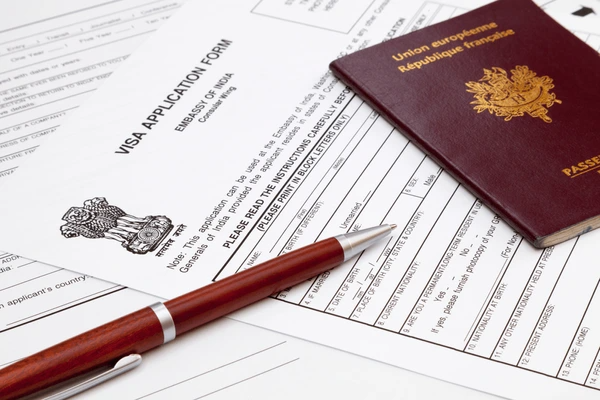

Applying for an Indian visa is a key step for anyone planning to visit India for tourism, business, medical treatment, study, or family visits. While the process has become more streamlined over the years, many applicants still face confusion due to different visa types, documentation requirements, and online procedures. This guide explains the Indian visa application process in a simple, informative, and practical way to help you apply with confidence.
Understanding the Indian Visa Application Process
An Indian visa application is the official request submitted by foreign nationals seeking permission to enter India for a specific purpose and duration. Most applicants today apply online through the Indian government’s visa portal, especially for short-term visits. The type of visa you apply for determines the documents required, processing time, and validity.
Types of Indian Visas You Can Apply For
India offers multiple visa categories based on travel purpose. Common options include tourist visas for leisure travel, business visas for meetings and trade activities, medical visas for treatment in Indian hospitals, student visas for education, and employment visas for long-term work assignments. Choosing the correct visa category is essential, as applying under the wrong type may lead to rejection.
Eligibility Criteria for Indian Visa Applicants
Eligibility depends on nationality, purpose of travel, and visa type. Applicants must hold a valid passport with sufficient validity and blank pages. Some nationalities may be eligible for an Indian e-Visa, while others may need to apply through an Indian embassy or consulate. It is important to check country-specific rules before starting the application.
Documents Required for an Indian Visa Application
Typical documents include a valid passport, recent photographs, a completed visa application form, and proof of travel such as flight details. Depending on the visa type, additional documents like invitation letters, business credentials, hospital letters, or admission confirmations may be required. Submitting clear and accurate documents helps prevent delays.
Step-by-Step Guide to Applying for an Indian Visa
The application process usually begins online by filling out the visa form with personal, travel, and passport details. Applicants then upload supporting documents and photographs according to the guidelines. After submission, visa fees are paid online or at the designated center. Some applications require biometric data or an in-person appointment.
Processing Time and Visa Approval
Processing times vary based on visa type, nationality, and application volume. E-Visas are often processed faster, while regular visas may take longer. Applicants can track the status of their Indian visa application online using the reference number provided after submission.
Common Reasons for Indian Visa Application Rejection
Visa applications may be rejected due to incomplete forms, incorrect visa category selection, unclear documents, or previous immigration issues. Providing accurate information and ensuring consistency across all documents significantly improves approval chances.
Tips for a Successful Indian Visa Application
Apply well in advance of your travel date, double-check all details before submission, and follow photo and document guidelines strictly. Keep copies of all submitted materials and regularly monitor your application status.
Final Thoughts
The Indian visa application process is straightforward when you understand the requirements and follow the correct steps. With proper preparation and attention to detail, you can complete your application smoothly and focus on planning your visit to India without unnecessary stress.