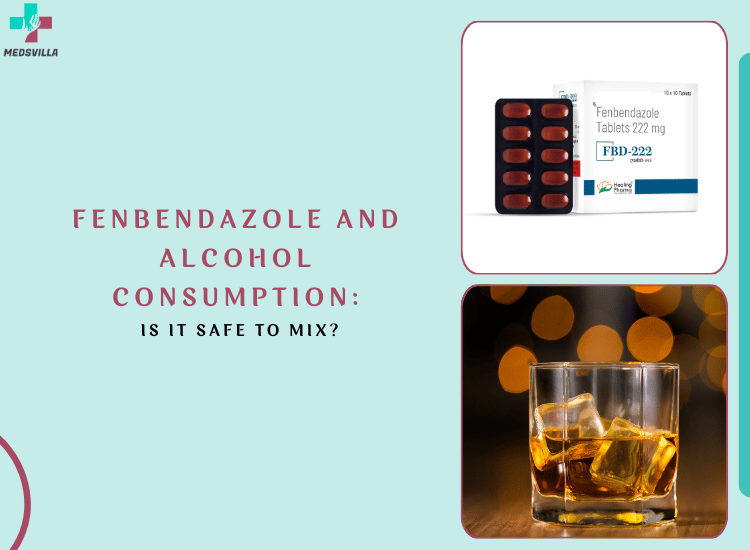

Fenbendazole is a widely recognized antiparasitic medication that has been used in veterinary medicine for many years. It is commonly prescribed to treat intestinal worms and other parasitic infections in animals such as horses, dogs, cats, and livestock. In recent times, fenbendazole has drawn increasing attention beyond its traditional veterinary role, prompting discussions about its off-label use and safety considerations. One of the most frequently asked questions is whether fenbendazole can be safely used alongside alcohol.
Fenbendazole has gained increasing attention in recent years as interest expands beyond its conventional use in animal parasite control. While Fenbendazole for Horses remains a proven and widely used veterinary treatment, some individuals are also examining and discussing its off-label applications for human health.
Understanding how fenbendazole works in the body and how alcohol may affect its metabolism is essential for anyone considering or already using this medication. While clear human studies are limited, examining known mechanisms can help explain why caution is often advised.
Understanding Fenbendazole and Its Action
Fenbendazole belongs to the benzimidazole group of antiparasitic drugs. Its primary function is to interfere with the parasite’s ability to absorb glucose, which deprives it of energy. Over time, this leads to the parasite’s death and removal from the body.
When taken orally, fenbendazole is absorbed through the digestive system and processed by the liver. The liver converts it into active metabolites that enhance its effectiveness before the drug is eventually eliminated from the body. In veterinary use, fenbendazole is generally well-tolerated when administered at appropriate doses.
However, since fenbendazole is not widely approved for routine human use in many countries, detailed data on interactions—especially with substances like alcohol—is limited.
Why Alcohol Consumption Is a Concern
Alcohol is also metabolized in the liver, using many of the same enzyme systems involved in drug metabolism. When alcohol and medications are processed at the same time, they may compete for these enzymes. This competition can potentially alter how efficiently either substance is broken down.
Although this does not automatically mean a dangerous interaction will occur, it does suggest that combining fenbendazole and alcohol could place extra strain on the liver or increase the likelihood of side effects.
Possible Effects of Combining Fenbendazole and Alcohol
There are no widely reported severe interactions between fenbendazole and alcohol, but some potential effects should still be considered.
Fenbendazole may cause mild gastrointestinal symptoms in some individuals, such as nausea, bloating, stomach discomfort, or diarrhea. Alcohol can irritate the stomach lining and digestive tract, which may intensify these symptoms when both are used together.
Additionally, alcohol can contribute to dizziness, fatigue, or headaches. When combined with medications processed by the liver, these effects may become more noticeable, even if they are usually mild on their own.
Liver Health and Metabolic Load
The liver plays a central role in processing both fenbendazole and alcohol. Occasional alcohol consumption may not cause noticeable issues for individuals with healthy liver function, but frequent or heavy drinking increases liver workload significantly.
Combining alcohol with fenbendazole may raise liver enzyme levels or cause temporary liver stress, particularly in individuals who already have liver conditions or who consume alcohol regularly. Over time, repeated strain on the liver can increase the risk of inflammation or impaired liver function.
This makes liver health an important factor when considering whether to mix fenbendazole and alcohol.
Hidden Alcohol in Medications
Alcohol intake is not limited to beverages. Many over-the-counter products contain alcohol, including certain cough syrups, liquid cold medicines, and herbal tinctures. These sources of alcohol are often overlooked but can still contribute to overall intake.
When combined with fenbendazole, alcohol-containing medicines may increase the chance of side effects such as nausea, dizziness, or stomach irritation. Being aware of these hidden sources can help reduce unintended risks.
Short-Term Use vs. Long-Term Use
The length of fenbendazole use may also influence potential risks. Short-term use with little or no alcohol intake is less likely to cause noticeable issues for healthy individuals. However, prolonged or repeated use—especially alongside regular alcohol consumption—may increase the likelihood of side effects or liver stress.
Spacing alcohol consumption away from dosing times may reduce overlap in metabolism, but it does not completely eliminate potential risks.
Who Should Be Extra Cautious
Certain individuals should be particularly careful when considering alcohol use with fenbendazole. These include people with:
-
Existing liver disease
-
A history of heavy or frequent alcohol consumption
-
Other medications that are metabolized by the liver
-
Chronic health conditions affecting metabolism
For these individuals, even moderate alcohol intake could increase the risk of adverse effects.
Signs That Should Not Be Ignored
Anyone using fenbendazole while consuming alcohol should monitor their body closely. Symptoms that may indicate liver or digestive stress include persistent nausea, abdominal pain, unusual fatigue, dark urine, or yellowing of the eyes or skin.
If any of these signs appear, alcohol consumption should be stopped immediately, and medical advice should be sought.
Is Avoiding Alcohol the Best Choice?
From a safety standpoint, avoiding alcohol while taking fenbendazole is the most cautious approach. This reduces liver workload and lowers the risk of gastrointestinal discomfort or other side effects.
For those who choose to drink alcohol, moderation is essential. Limiting intake and avoiding frequent or heavy drinking can help reduce potential risks, though it cannot guarantee complete safety.
The Importance of Medical Advice
Because fenbendazole is not widely approved for human use, professional medical guidance is strongly recommended. A healthcare provider can assess individual risk factors, review liver health, and offer personalized advice regarding alcohol consumption.
Self-directed use without medical supervision increases uncertainty and the potential for unwanted side effects, especially when combined with alcohol or other medications.
Final Thoughts
Fenbendazole and alcohol both depend on liver metabolism, making their combined use a topic that requires careful consideration. While no major interactions have been clearly established, the possibility of increased side effects and liver strain suggests that caution is wise.
Although no major interactions have been clearly established, medicines that contain alcohol—such as some cough syrups or herbal extracts—may heighten the risk of side effects, including nausea, dizziness, or digestive discomfort. If you are using any alcohol-based products, Fenbendazole For Humans should be used with extra care.
Avoiding alcohol during fenbendazole use remains the safest option. If alcohol is consumed, it should be limited, and any unusual symptoms should be taken seriously. Making informed decisions and seeking professional guidance can help minimize risks and protect overall health.