
Safety and quality of every bite of every dish served to customers daily is this sanitation practice. Clean Food Serving is a game of details cooked up with a pinch of equal part focus on cleanliness and food safety through preparation and up to the final serving dishes. Cells breed rapidly in areas such as kitchens if cleaning procedures are neglected or omitted. Restaurants that do not meet minimum hygiene standards are closed by health departments during routine inspections all the time. Knowing the science behind why cleanliness is important will help your team members actually take these requirements as a must and not just a should.
Why Must Workers Wash Hands Frequently?
Hands touch a multitude of surfaces during every shift, seeding bacteria on all the surfaces they then touch. Washing off bacteria prevents the spread of bacteria causing food poisoning to customers who later eat such stained food. Proper hand washing should be at least 20 seconds with soap, and you should scrunch your finger tips thoroughly under running water. After handling raw food, workers must wash their hands before working with cooked or ready-to-eat foods. Clean Food Serving becomes unattainable if the personnel start neglecting this simple yet vital hygiene rule. Gloves add a layer of protection but do not eliminate the need for regular, thorough hand washing.
How Do Clean Surfaces Prevent Cross Contamination?
Cutting boards and counters harbor bacteria from raw products that spread to other ingredients. Sanitizing surfaces between different tasks stops harmful germs from moving around kitchen workspaces freely. Color coded boards help staff remember which ones to use for specific ingredient types. Wiping with sanitizer solution kills bacteria that plain water and soap might leave behind. Stainless steel surfaces clean easier than wood or plastic which develop scratches harboring germs. Regular deep cleaning reaches areas that quick wipes during service hours cannot address properly.
Can Proper Storage Zones Reduce Illness Risk?
Separating raw and cooked items in refrigerators prevents drips from contaminating ready foods below. Raw chicken and beef need the lowest shelves where any liquids cannot reach other products. Covered storage protects items from airborne bacteria and accidental contamination during busy kitchen operations. Temperature zones matter because different products require specific cold ranges for safe extended storage. Clean Food Serving demands organized refrigeration where every item has designated safe placement locations. Labeling zones helps new workers learn proper storage without making dangerous mistakes initially.
Why Does Regular Equipment Cleaning Matter?
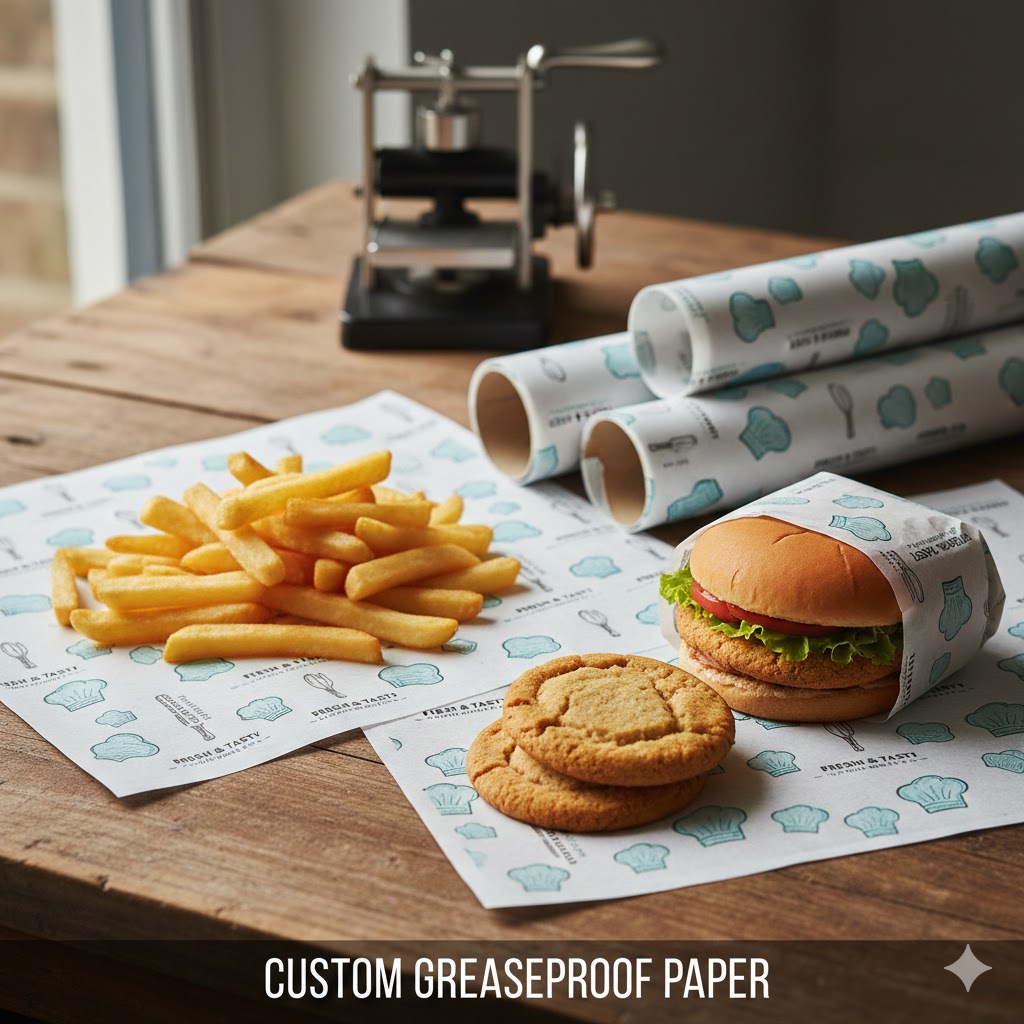
Slicers and mixers accumulate food residue in crevices where bacteria multiply between cleaning sessions. Taking machines apart for thorough washing removes hidden buildup that regular wiping misses completely. Custom Greaseproof Paper helps protect cleaned surfaces from immediate recontamination during food preparation tasks. Sanitizing solutions must contact surfaces for specified time periods to kill all harmful organisms. Clean machines also perform better and last longer which saves replacement costs over time. CA health codes require specific cleaning schedules that businesses must follow and document carefully.
How Do Clean Utensils Protect Customer Health?
Spoons and tongs used for multiple dishes spread bacteria if not washed between uses. Dedicated serving tools for each item prevent mixing allergens that endanger sensitive customers significantly. Storing clean utensils properly protects them from contamination before the next service period begins. Visible dirt on serving tools destroys customer confidence in restaurant sanitation standards immediately. Workers need training on when to replace utensils rather than continuing with the same ones. WaxPapersHub supplies materials that support maintaining sanitary service standards throughout busy operational hours daily.
What Makes Staff Training So Important?
New employees often lack basic food safety knowledge that experienced workers take for granted. Regular training updates keep everyone informed about changing health regulations and best current practices. Written procedures create consistency so hygiene standards do not depend on individual worker preferences. Testing staff knowledge ensures they understand why specific practices matter beyond just following rules. Clean Food Serving requires every team member to maintain the same high standards without exceptions. Managers must model correct behaviors because staff copy what they see leaders doing daily.
Can Proper wrapping Maintain Cleanliness?
Wrapping finished dishes protects them from airborne contaminants during delivery or waiting periods. Single use wrapping eliminates risk of improper cleaning between customers that reusable items present. Food paper products designed for specific dishes prevent leaks and maintain presentation quality standards. Sealed wrapping shows customers that nobody has touched their order since kitchen preparation finished. Choosing appropriate materials for each menu item demonstrates commitment to safety throughout the service process. Quality wrapping also keeps items at proper temperatures which supports both safety and taste.
Why Does Personal Hygiene Affect Food Safety?
Workers with long hair need secure ties that prevent strands from falling into dishes. Clean uniforms every shift show customers that business takes hygiene seriously in all aspects. Jewelry and accessories can harbor bacteria or fall into food during preparation and plating. Sick employees must stay home because they spread illness through food contact and air. Daily health checks help identify workers who should not handle food that particular day. Clean Food Serving extends beyond just kitchen practices to include all staff appearance standards.
Conclusion
Hygiene forms the foundation of safe food service that protects both customers and business reputations. Small lapses in cleaning routines can lead to serious illness outbreaks and permanent closures. Training staff and maintaining high standards requires constant attention but prevents devastating health incidents. Customers notice clean environments which build trust and encourage repeat visits over time. Investing in proper hygiene practices pays back through loyal customers and positive community reputation.