
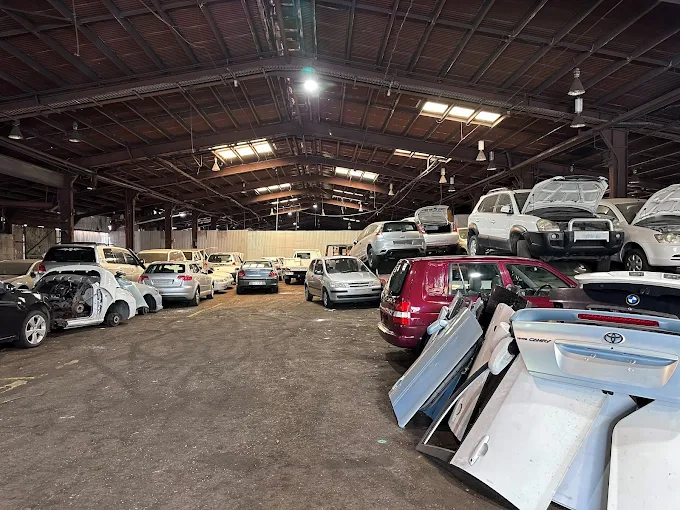

Car wrecking and recycling in Melbourne is a structured process where end-of-life vehicles are dismantled to salvage functional parts and repurpose raw materials. This industry provides a sustainable alternative to landfill disposal, supporting Victoria’s circular economy while offering financial returns to vehicle owners.
The Vital Role of Car Wreckers in Melbourne
Car wreckers serve as the primary processing hubs for vehicles that are no longer roadworthy, damaged beyond repair, or too costly to maintain. These facilities bridge the gap between automotive waste and resource recovery.
By choosing a professional wrecker, Melbourne residents ensure their old cars do not leak hazardous fluids into the soil. Instead, every component undergoes a rigorous assessment to determine if it can be reused, refurbished, or melted down.
How the Car Recycling Process Works
The car recycling process involves 4 distinct stages: depollution, dismantling, destruction, and resource recovery.
| Stage | Action Taken | Primary Objective |
| Depollution | Removal of oils, coolants, and fuel. | Prevent environmental contamination. |
| Dismantling | Extraction of engines, alternators, and tyres. | Salvage high-value functional parts. |
| Destruction | Crushing the remaining chassis. | Prepare metal for the industrial shredder. |
| Recovery | Separating ferrous and non-ferrous metals. | Send raw materials to manufacturing plants. |
1. Depollution and Fluid Drainage
To recycle a car safely, technicians must first remove all liquid contaminants. Vehicles contain approximately 10 to 15 litres of hazardous fluids, including engine oil, brake fluid, transmission fluid, and radiator coolant. Specialized drainage systems capture these liquids to prevent them from entering Melbourne’s waterways.
2. Parts Salvaging and Testing
Dismantlers identify components that retain functional value. Parts such as starter motors, gearboxes, and body panels are cleaned and tested for quality. These “green” parts enter the second-hand market, providing affordable repair options for Victorian drivers.
3. Metal Shredding and Sorting
The remaining metal shell consists mostly of steel and aluminium. High-powered magnets separate ferrous metals (steel and iron) from non-ferrous metals (copper and aluminium). This efficiency ensures that 95% of a vehicle’s weight is diverted from landfills.
Use Cases for Car Wrecking Services
Car wrecking services cater to specific scenarios where traditional private sales are impractical. Understanding these use cases helps owners decide when to transition a vehicle from the driveway to the yard.
-
Totalled Vehicles: Insurance companies often declare a car a “total loss” after an accident. Wreckers accept these vehicles regardless of structural integrity.
-
Mechanical Failure: Cars with blown head gaskets or failed transmissions often cost more to fix than the vehicle is worth.
-
Expired Registration: Vehicles that cannot pass a Roadworthy Certificate (RWC) find a purpose through material recycling.
-
Abandoned or Unwanted Projects: Old hobby cars taking up space in a garage are converted into instant cash.
Pros and Cons of Professional Car Recycling
Evaluating the benefits and drawbacks of the wrecking industry allows consumers to make informed decisions.
Pros
-
Instant Financial Return: Most reputable services, such as Urgent Cash 4 Carz Melbourne, provide immediate payment upon vehicle collection.
-
Free Towing: Professional recyclers include complimentary removal services, saving the owner between $100 and $250 in transport fees.
-
Environmental Protection: Certified wreckers adhere to EPA Victoria guidelines, ensuring zero-waste goals.
-
Paperwork Assistance: Recyclers manage the VicRoads number plate return and disposal notices.
Cons
-
Lower Value for Luxury Cars: If a car is in excellent condition, a private sale might yield a higher price than scrap value.
-
Fixed Pricing: Scrap metal prices fluctuate based on global markets, meaning the offer stays consistent with material weight rather than sentimental value.
Target Audience: Who Benefits from This Industry?
The recycling industry serves 3 main groups within the Melbourne metropolitan area.
-
Private Vehicle Owners: Individuals looking to clear space and earn money from a “lemon” or an old daily driver.
-
Automotive Mechanics: Professionals who require low-cost, genuine spare parts to keep their customers’ cars on the road.
-
Industrial Manufacturers: Companies that rely on recycled steel and aluminium to produce new goods, reducing the need for virgin ore mining.
Situational Relevance: Why Melbourne?
Melbourne’s geography and strict environmental regulations make car wrecking particularly relevant. With a growing population and a high density of vehicles in suburbs like Dandenong, Sunshine, and Campbellfield, the volume of automotive waste is significant.
Furthermore, Victoria has specific mandates regarding the disposal of tyres and batteries. Lead-acid batteries contain toxic chemicals that require specialized handling. Local recyclers ensure these batteries are processed at licensed facilities, protecting the local ecosystem.
Key Features of a Reliable Melbourne Wrecker
To identify a trustworthy service provider, look for these 5 essential features:
-
LMCT Licensing: A Licensed Motor Car Trader (LMCT) status ensures the business operates under Victorian law.
-
Transparent Valuations: Precise quotes based on make, model, year, and weight.
-
Modern Equipment: The use of flatbed tow trucks and specialized drainage racks.
-
Wide Service Area: Coverage across all Melbourne regions, from the Mornington Peninsula to the Northern suburbs.
-
Positive Reputation: Strong track record of punctuality and fair dealings with the local community.
Maximising Your Return: 3 Simple Steps
To get the most value from a car wrecking service, follow this protocol.
Step 1: Gather Vehicle Information
Locate the Vehicle Identification Number (VIN) and confirm the exact odometer reading. Precise details lead to more accurate quotes.
Step 2: Remove Personal Belongings
Check under seats, in the glove box, and in the boot. Once a car is crushed, retrieving lost items like sunglasses, e-tag devices, or loose change is impossible.
Step 3: Compare Local Services
Contact established providers like Urgent Cash 4 Carz Melbourne to receive a quote. Choosing a local expert ensures faster pick-up times and support for the Melbourne economy.
The Future of Car Recycling in Victoria
The industry is currently evolving to handle the rise of Electric Vehicles (EVs). Lithium-ion batteries present new challenges for recyclers. Advanced Melbourne facilities are already investing in technology to safely discharge and disassemble EV batteries, recovering rare earth metals like cobalt and nickel.
This commitment to innovation ensures that as the types of cars on Victorian roads change, the methods for disposing of them remain sustainable and efficient.
Summary of Fast Facts
| Feature | Detail |
| Recycling Rate | Approximately 95% of a car’s materials are recoverable. |
| Typical Pickup Time | Within 2 to 24 hours in the Melbourne metro area. |
| Required Documents | Photo ID and proof of ownership (or authority to sell). |
| Primary Recovered Metal | Steel accounts for about 65% of the vehicle’s total weight. |
Car wrecking and recycling is a cornerstone of responsible vehicle ownership in Melbourne. It transforms a potential environmental hazard into a source of raw materials and spare parts. By utilizing professional services, you contribute to a cleaner city while receiving a fair market price for your unwanted asset.
