
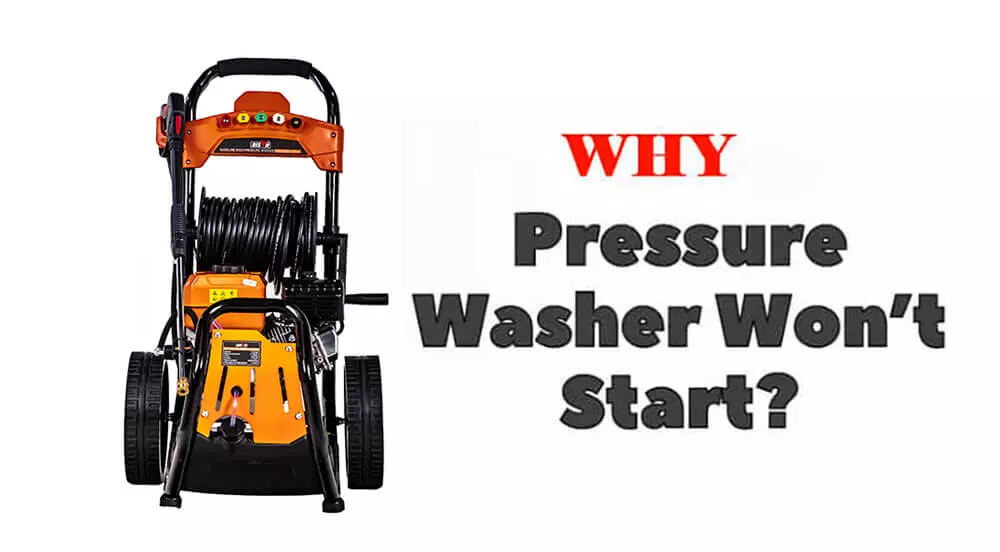

It’s a huge bummer. You’re all set to wash the deck. But the machine won’t cooperate. You pull the cord.# Why Your Pressure Washer Won’t Start
It’s a huge bummer. You’re all set to wash the deck. But the machine won’t cooperate. You pull the cord. Again and again. Sweat starts to build. Your patience disappears. We have all been in that exact spot. You have a job to get done. Your equipment just refuses to play along.
But wait. Don’t rush out to buy a new machine just yet. Most of the time, the problem is small. It’s often something you can fix yourself. In just a few minutes. This guide will help you figure it out. We have a simple checklist. It’ll help you see why your pressure washer won’t start. Let’s get that machine running.
First, Check the Gas
This might sound a little too obvious. But you would not believe how often this is the problem. An empty tank has stopped many projects. We get busy. We store things in the garage. We totally forget we used the last of the gas. Before you search for Power Pressure Washer Repair Services in New Jersey, just take a quick peek.
Is the Tank Empty?
Pop the cap off. Look inside. Is it totally dry? Fill it up with fresh gas. Seriously, sometimes it’s just that simple. If you do see fuel in there, great. Now we need to make sure it’s getting to the engine.
Is the Fuel Valve Open?
Your pressure washer probably has a fuel shut-off valve. It’s a small lever. This is a safety feature. It stops gas from leaking out during storage. If that switch is in the “OFF” position, nothing can happen. The gas is stuck. Find that little switch and flip it to “ON.”
Is Your Gas Old?
This is a really common issue for folks in New Jersey. We store our equipment all winter long. Gas doesn’t last forever. If fuel has been sitting for months, it’s probably bad. Stale gas just won’t ignite properly. It can also turn into a sticky mess. That gunk can clog up your entire fuel system. If the gas smells weird or looks dark, get it out of there. Drain the tank and add fresh fuel.
The Oil Level Could Be the Problem
Engines are pretty smart these days. Many have a low-oil sensor. This little gadget is a lifesaver for your motor. It stops the engine from destroying itself. If the oil is too low, the sensor just won’t let it start.
How That Sensor Works
It’s simple, really. It just checks the oil level inside the engine. If it dips below a safe amount, it cuts the power. The spark plug won’t get a signal to fire. You can pull that cord until your arm falls off. It’s not going to start. The machine is just protecting itself.
Checking the Oil
Make sure your machine is on a flat surface. Find the dipstick. Pull it out and wipe it with a rag. Then stick it back in all the way. Pull it out again to see the level. If it’s low, you need to add more oil. Look at your owner’s manual for the right type. Top it off. Then try starting it again. This easy check can save you from a trip to a Power Washer Repair specialist.
Let’s Inspect the Spark Plug
An engine needs three basic things. It needs fuel. It needs air. And it needs a spark. If you have gas and oil, the spark plug is next on our list. This tiny part creates the spark. It ignites the fuel mixture. No spark means no power.
Is the Wire Connected?
Sometimes things just get rattled loose. The engine vibrates a lot. Find the thick black wire on the engine. It has a rubber boot on the end. Give it a good push. You should feel it click firmly onto the spark plug. A loose wire means no electricity can get to the plug.
Is the Plug Dirty?
You’ll need a spark plug wrench for this. Take the plug out of the engine. Look at the very tip. Is it covered in black gunk? Is it wet or oily? A dirty tip can’t create a good spark. You can try cleaning it with a wire brush. But honestly, spark plugs are really cheap. If it looks old or worn, just buy a new one. This is one of the lowest Pressure Washer Repairing Cost items you can imagine.
Your Engine Has to Breathe
Think about trying to run while breathing through a straw. It’s impossible. That is exactly what a dirty air filter does to your engine. The machine needs to suck in air to mix with the gas. If the filter is clogged with dirt, the engine just chokes.
The Quick Air Filter Test
Find the plastic box that holds the air filter. Pop it open and pull the filter out. Can you see light through it? If it is totally covered in dirt, it has to be replaced.
Here’s a great little trick. Try starting the engine without the filter in place. Does it fire right up? If so, you’ve found your problem. Shut it off immediately. You don’t want to run it without a filter. Then head out to buy a new one. A clogged filter is a top reason why a Pressure Washer Won’t Start.
What If the Carburetor Is Clogged?
Okay, so you checked everything else. Gas is good. Oil is full. You have a spark. The air filter is clean. But it still won’t start. Now we have to consider the carburetor. This part is a little more technical. The carburetor’s job is to mix the air and fuel perfectly.
The Problem with Old Fuel
Let’s go back to that old gas issue. When fuel evaporates, it leaves sticky stuff behind. This varnish clogs up the tiny passages in the carburetor. So, even with fresh gas in the tank, it can’t get through.
Trying an Easy Fix
Before you stress about the Pressure Washer Repairing Cost, try one thing. Grab a can of carburetor cleaner. You can find it at any auto parts store in New Jersey. Take off the air filter. Spray a little bit of cleaner into the engine’s air intake. Now, pull the starter cord. Did the engine sputter or try to start for a second? That confirms it’s a fuel issue.
Sometimes, that spray is enough to dissolve the clog. If it’s a really bad clog, though, the carburetor may need a full cleaning. That’s a job for a professional. You might need to find a local expert in New Jersey to handle that.
Conclusion
See? Troubleshooting isn’t so scary. Just follow the steps. You check all the easy stuff first. Check the fluids. Look at the connections. Make sure the engine can breathe. You’ll solve the problem most of the time.
Remember, a little maintenance goes a long way. Use a fuel stabilizer in your gas can. It will keep your fuel fresh for months. This prevents those annoying carburetor problems. If you’ve tried everything and it’s still dead, it might be time for help. Sometimes, a professional tune-up is the best way to keep your machine alive for years.
Hopefully, these tips helped you get your power back!
Frequently Asked Questions
Can old gas stop my pressure washer from starting?
Yes, it is a very common problem. Old fuel breaks down and gets sticky. It clogs up the fuel system and carburetor, stopping the engine from getting the gas it needs.
How do I know if my spark plug is bad?
Take the plug out and look at its metal tip. If it is cracked, burnt, or covered in thick black soot, it’s bad. A damaged plug simply cannot create a strong enough spark.
Why does my pressure washer run then die immediately?
This often means there’s a fuel or air blockage. The engine gets just enough fuel to start. But a clogged filter or fuel cap vent keeps it from staying on. Check them both.
