
Young people succeed when learning environments honor their humanity, cultural identity, and real-life experiences. Many students face emotional stress, identity struggles, and systemic challenges that traditional systems are not designed to address. When these realities are ignored, disengagement and mistrust often follow. A restorative approach helps transform these spaces into environments rooted in respect, belonging, and growth.
By prioritizing Restorative Practices, schools and organizations shift from control-based models to relationship-centered systems. These approaches emphasize accountability, empathy, and inclusion, allowing young people to feel seen and supported.
Restorative Practices as a Foundation for Growth
Restorative practices redefine how communities respond to conflict and harm. Instead of punishment, the focus moves toward understanding impact, repairing relationships, and restoring trust. Youth are more willing to take responsibility when they are treated with dignity.
When paired with trauma-informed care and values-based leadership, restorative models create conditions where youth can build confidence, resilience, and a strong sense of purpose. With guidance from coaching and consulting, organizations learn how to implement restorative systems that are equitable, consistent, and sustainable across schools and youth-serving environments.
Culture and Identity in Youth Development
Culture deeply influences how youth experience education, discipline, and healing. When programs affirm cultural identity, students feel grounded and connected, which improves engagement and emotional well-being.
Organizations such as the akoben institute integrate cultural relevance into restorative learning by blending heritage, justice, and reflection. This approach ensures that healing practices resonate with students’ lived experiences.
Frameworks like nguzo saba reinforce values of unity, responsibility, and collective purpose. These principles help youth understand leadership as service to themselves, their communities, and future generations.
Emotional Literacy and Self-Awareness
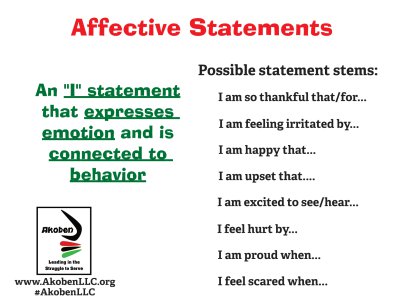
Emotional literacy is essential for healthy relationships and conflict resolution. Many youth struggle to interpret their emotions without structured guidance. Teaching emotional awareness allows students to respond thoughtfully rather than react impulsively.
Tools such as the compass of shame help young people recognize emotional responses to stress, including withdrawal, blame, or avoidance. Understanding these patterns strengthens emotional regulation and accountability.
As self-awareness grows, communication improves and defensive behavior declines. Youth develop stronger peer connections and make more intentional decisions across school and community settings.
Leadership Development Through Mentorship
Youth leadership thrives when mentorship is intentional and consistent. Mentors offer guidance, keynote speaking, accountability, and encouragement, helping young people navigate challenges with clarity and confidence.
Leadership models such as Akoben—Leading in the Struggle to Serve emphasize justice, service, and cultural grounding. These principles teach youth to lead with integrity rather than authority.
Influential leaders like Abdul Malik Muhammad have shaped restorative leadership by centering dignity, empowerment, and humanity. His work continues to inspire restorative and youth-centered initiatives nationwide.
Inspiration and Community Transformation
Meaningful dialogue plays a powerful role in organizational and cultural change. Through Iman Shahbaz’s work, audiences are challenged to reflect on equity, leadership, and restorative responsibility.
When communities adopt restorative accountability, trust strengthens and relationships are repaired. Harm is addressed through dialogue and shared responsibility instead of exclusion or punishment.
This approach creates environments where youth feel valued, supported, and empowered to contribute positively to their schools and communities.
Conclusion
Youth empowerment requires more than academic instruction alone. It demands environments grounded in empathy, culture, and accountability. By integrating Restorative Practices, trauma-informed care, and culturally responsive leadership, organizations create spaces where young people can truly thrive.
When youth are supported through mentorship, emotional literacy, and values-based frameworks, they develop resilience, confidence, and purpose. Restorative leadership offers a clear pathway toward stronger communities, empowered youth, and lasting transformation.