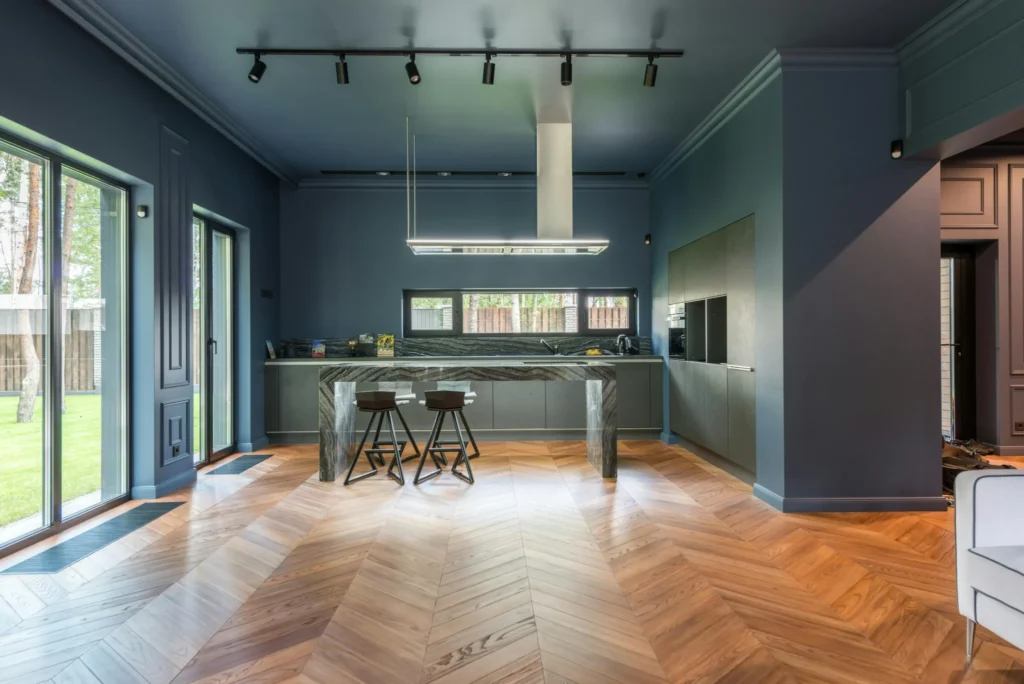

Choosing the right flooring is one of the most important decisions a homeowner can make. Floors set the tone for every room, they influence style, comfort, and even resale value. But when it comes to solid hardwood versus engineered hardwood, the differences go deeper than appearance. While both offer timeless beauty, the construction, durability, and maintenance requirements make them very different investments. At Parma Floors, we know how confusing these choices can be, which is why we’ve created this detailed guide to help you make an informed decision.
What is Solid Hardwood Flooring?
Solid hardwood is crafted from a single piece of wood, typically oak, maple, or hickory. Each plank is milled with tongues and grooves along the sides and sometimes end-matched to create a tight fit during installation. The boards are usually kiln dried to achieve the proper moisture content, reducing the risk of warping.
The beauty of solid hardwood lies in its authenticity. Because the planks are made from a single species, you can sand and refinish them multiple times, often lasting for decades. Many historic homes still showcase original hardwood floors that have stood the test of time.
What is Engineered Hardwood Flooring?
Engineered hardwood combines the best of natural wood with modern engineering. Each plank features a veneer wear layer of real hardwood bonded to a plywood or cabinet-grade plywood core. Higher-quality products often use non-toxic formaldehyde-free glues, making them a healthier choice for your home.
Unlike solid hardwood, engineered planks may include regular-grade plywood veneers in more affordable lines. This layered construction improves stability, making engineered wood a strong choice for areas prone to humidity, such as basement rooms, bathrooms, or installations below grade over concrete subfloors.
1. Construction and Core Differences
Solid Hardwood Construction
Solid hardwood planks are cut directly from lumber, creating boards that are uniform in composition. Their simplicity makes them exceptionally durable, but also more prone to swelling or shrinking with changes in humidity.
Engineered Hardwood Construction
Engineered flooring uses a layered plywood core beneath the surface veneer. This design resists moisture fluctuations and provides stability. Premium options with a thick wear layer can also be sanded and refinished, though typically fewer times than solid hardwood.
2. Appearance and Style Options
Solid Hardwood Appearance
The natural grain of acacia, Brazilian teak, or mahogany shines through in solid planks, offering a classic look that never goes out of style. You can customize finishes to suit your interior from high-gloss to matte, stained to natural and reapply a protective finish as needed.
Engineered Hardwood Appearance
Engineered hardwood offers just as much visual appeal, thanks to its authentic hardwood veneer such as exotic and european oak collection. It comes in a wide variety of species, colors, and textures, and in some cases even mimics the look of laminate flooring. For homeowners seeking flexibility in design, engineered hardwood offers more pre-finished options straight out of the box.
3. Durability and Lifespan
Solid Hardwood Durability
Solid wood is renowned for its long lifespan, often 50 to 100 years. Because it can be sanded and refinished many times, scratches, dents, or wear marks can be repaired, giving the floor a renewed look.
Engineered Hardwood Durability
The lifespan of engineered wood depends on its wear layer thickness. High-quality products with a thick veneer can last 20–30 years and may be refinished once or twice. Budget-friendly engineered floors with thinner veneers won’t last as long but remain durable when installed in the right environment.
4. Ease of Installation
Solid Hardwood Installation
Solid hardwood is typically nailed or stapled to a prepared subfloor, with tongue-and-groove edges ensuring a secure fit. Sensitive to moisture, it requires careful handling, making professional installation strongly recommended for optimal results and long-term durability.
Engineered Hardwood Installation
Engineered hardwood offers versatile installation options, including gluing, stapling, or floating. Its stability over concrete and ease of handling make it a more DIY-friendly choice, allowing homeowners to save on installation costs while achieving a high-quality, professional-looking finish.
5. Maintenance and Cleaning
Solid Hardwood Care
Solid hardwood flooring requires regular sweeping and careful cleaning to prevent damage. Over time, sanding and refinishing may be necessary to remove scratches and restore shine, while consistent maintenance of the protective finish ensures long-lasting beauty and durability.
Engineered Hardwood Care
Engineered hardwood is lower-maintenance due to its durable factory-applied finish. While it cannot be refinished as frequently as solid wood, routine cleaning with gentle, wood-safe products preserves the protective layer, keeping the flooring looking attractive and performing well for years.
6. Cost Comparison
Solid Hardwood Costs
Solid hardwood generally has a higher upfront cost. However, its long lifespan and ability to be refinished make it a strong investment for homeowners planning to stay in their homes long-term.
Engineered Hardwood Costs
Engineered hardwood is usually more affordable than solid, especially in large spaces. Costs vary depending on the veneer wear layer, core materials, and finish. It provides the beauty of hardwood at a lower entry point.
7. Sound and Comfort Underfoot
Solid Hardwood Sound
Solid hardwood floors offer a natural, resonant feel underfoot that many homeowners love. Their warmth, texture, and acoustic qualities create a comfortable, inviting environment, enhancing the sensory experience of walking, living, and entertaining in your home.
Engineered Hardwood Sound
Engineered hardwood has a layered plywood core, which gives it a slightly different underfoot feel. Modern manufacturing techniques ensure it remains comfortable, providing a walking experience very similar to solid hardwood while offering added stability and suitability for varied subfloors.
8. Environmental Impact
Solid Hardwood Sustainability
Solid hardwood flooring requires whole logs, which can result in a higher environmental impact. Choosing responsibly sourced wood with certifications like FSC helps reduce ecological concerns while still enjoying the beauty and longevity of natural hardwood floors.
Engineered Hardwood Sustainability
Engineered hardwood uses less raw wood per plank, making it more resource-efficient. Many modern products feature eco-friendly materials, including formaldehyde-free adhesives and sustainable plywood cores, providing a greener flooring option without sacrificing durability, style, or performance.
You can also explore this guide on How engineered hardwood flooring handles humidity better than solid hardwood for more insights.
Which Flooring is Right for You?
If you value timeless elegance, long-lasting durability, and the ability to refinish your floors multiple times, solid hardwood is an ideal choice. Its natural beauty, rich textures, and warmth can transform any room, creating a classic, inviting atmosphere. Solid hardwood floors are perfect for main living areas, bedrooms, and spaces where moisture is controlled, offering a long-term investment that can be enjoyed for decades with proper care and maintenance.
On the other hand, engineered hardwood is an excellent solution for areas where stability and moisture resistance are important. Its layered construction allows it to perform well over concrete subfloors, in basements, or in spaces with fluctuating humidity. Engineered hardwood provides the authentic look and feel of natural wood while offering easier installation options, including floating, gluing, or stapling. This modern alternative combines beauty and practicality, making it a versatile choice for homeowners seeking both style and functionality.
Conclusion: Parma Floors Recommendation
It is understandable that choosing between solid and engineered hardwood can feel overwhelming. Both options bring unique advantages. Solid hardwood offers timeless beauty and the ability to be refinished multiple times, while engineered hardwood provides enhanced stability and easier installation, making it ideal for areas with fluctuating humidity. The decision ultimately depends on your lifestyle, budget, and specific home requirements.
At Parma Floors, we are here to guide you through the process, helping you evaluate each option’s pros and cons. Whether you prioritize the classic charm of solid hardwood or the practicality and versatility of engineered hardwood, we ensure you make a well-informed choice that enhances your home’s aesthetics and long-term value. With expert support every step of the way, your flooring investment will look beautiful and perform flawlessly for years to come.
FAQs
1. Is solid wood more expensive than engineered wood?
Yes, solid wood is generally more expensive due to its natural composition, durability, and ability to be refinished multiple times. Engineered wood provides a more cost-effective alternative while still offering the look and feel of real hardwood.
2. What is the main benefit of using engineered wood flooring over solid wood flooring?
Engineered wood flooring offers enhanced stability, making it resistant to humidity and temperature changes. It’s easier to install, often suitable for basements and over concrete, and provides a practical, durable option without compromising the natural wood aesthetic.
3. What type of wood flooring lasts the longest?
High-quality solid hardwood floors typically last the longest, often exceeding 50 years with proper maintenance. Engineered wood is durable but may have a shorter lifespan, usually 20–30 years, depending on the thickness of the wear layer and maintenance.
4. Can you tell the difference between hardwood and engineered hardwood?
Yes, solid hardwood consists of a single wood layer, while engineered hardwood has multiple layers with a real wood veneer on top. Engineered wood provides better stability, but both look and feel like natural hardwood when installed correctly.
5. Can engineered wood flooring be refinished like solid wood?
Engineered wood can be refinished, but only a limited number of times depending on the thickness of its top veneer layer. Solid hardwood allows multiple refinishes, making it more suitable for long-term wear and restoration.