
In today’s world of fast fashion, branded uniforms, and personalized apparel, convenience and quality must work together. People want customization that looks professional but does not require complicated processes or specialized skills. Iron On Embroidery Patches meet this need perfectly by offering the rich texture of embroidery with a simple heat-based application. They are widely used for clothing decoration, branding, repairs, and creative expression across many industries.
This detailed guide explains what iron on embroidery patches are, how they are made, where they are most effective, and why they continue to be a trusted solution for both personal and commercial use.
What Are Iron On Embroidery Patches?
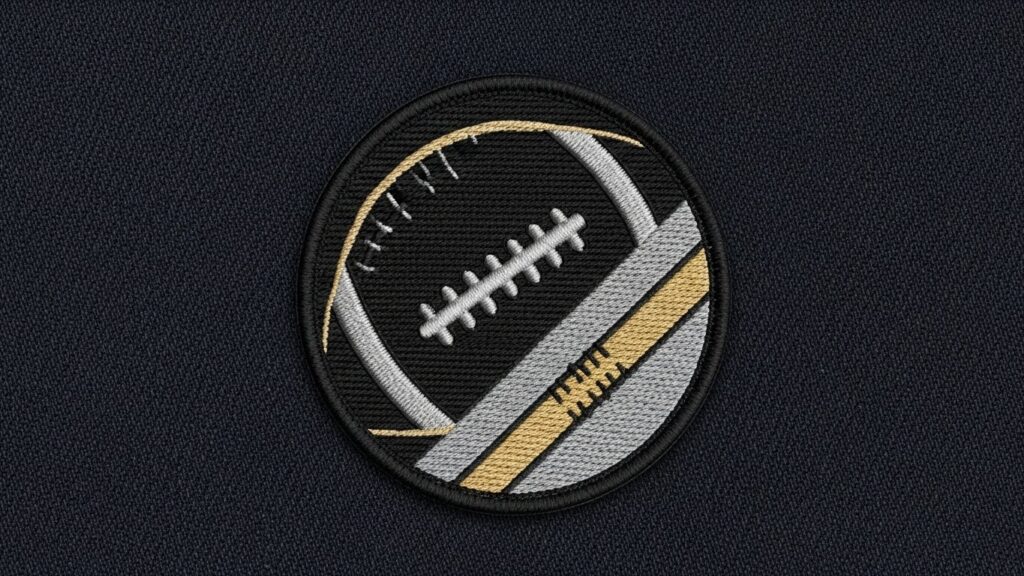
Iron on embroidery patches are embroidered fabric designs backed with a heat-activated adhesive. When heat and pressure are applied using an iron or heat press, the adhesive melts and bonds the patch securely to the fabric. Once cooled, the patch becomes firmly attached and ready for everyday wear.
Unlike traditional sew-on patches, iron-on patches do not require stitching during initial application. This makes them especially useful for quick customization, temporary branding, or situations where sewing is not practical or desired.
Why Iron On Embroidery Patches Are So Popular
The growing demand for iron on embroidery patches comes from their ability to combine ease of use with a premium appearance. They allow anyone to achieve professional results without advanced tools or skills.
Key advantages include:
-
Fast and simple application
-
Raised, textured embroidered finish
-
Strong adhesion when applied correctly
-
Suitable for small projects and bulk use
Because of these benefits, iron-on patches are commonly used by fashion brands, schools, clubs, businesses, and DIY enthusiasts.
How Iron On Embroidery Patches Are Produced
Artwork Digitization
The process begins with digitizing the design. Artwork is converted into stitch instructions that embroidery machines can follow. Stitch type, density, and direction are carefully planned to ensure durability and visual clarity.
Embroidery Process
High-quality threads are stitched onto a fabric base using embroidery machines. Satin stitches are often used for text and borders, while fill stitches cover larger areas to create a solid and long-lasting design.
Heat Adhesive Backing
A special heat-activated adhesive layer is applied to the back of the patch. This adhesive is designed to melt evenly under heat and bond securely to suitable fabrics.
Cutting and Finishing
The patch is trimmed into its final shape and finished with clean edges to prevent fraying and extend its lifespan.
How to Apply Iron On Embroidery Patches Correctly
Proper application is essential for long-lasting results.
Step 1: Prepare the Fabric
Make sure the fabric is clean, dry, and wrinkle-free. Cotton, denim, canvas, and polyester blends work best.
Step 2: Position the Patch
Place the patch adhesive-side down on the desired area of the garment.
Step 3: Apply Heat and Pressure
Use a hot iron or heat press and apply firm pressure for the recommended time. Avoid moving the iron back and forth.
Step 4: Let It Cool
Allow the patch to cool completely so the adhesive can fully set.
For high-stress areas, stitching around the edges can provide extra durability.
Best Fabrics for Iron On Embroidery Patches
Iron on embroidery patches perform best on fabrics that can tolerate heat, including:
-
Cotton
-
Denim
-
Canvas
-
Polyester blends
They are not recommended for delicate or heat-sensitive materials such as silk, nylon, or leather without careful testing.
Common Uses of Iron On Embroidery Patches
Uniforms and Workwear
Businesses use iron-on patches to apply logos, names, and roles quickly on shirts, jackets, and safety clothing.
Fashion and Streetwear
Designers add embroidered patches to hoodies, jeans, jackets, and bags to create unique and eye-catching styles.
Schools, Clubs, and Teams
Iron-on patches make it easy to apply badges, crests, and achievement symbols without sewing.
Clothing Repairs and Decoration
They are also widely used to cover holes or stains while adding decorative value to garments.
Design Tips for Better Performance
To get the best results from iron on embroidery patches:
-
Use bold designs with clear outlines
-
Avoid very thin or small text
-
Choose high-contrast color combinations
-
Match patch size to the placement area
Designs optimized for embroidery and heat bonding maintain their appearance longer.
Durability and Care Guidelines
When applied properly, iron on embroidery patches are durable and suitable for regular wear.
Care recommendations:
-
Wash garments inside out
-
Use cold or warm water
-
Avoid high-heat drying
-
Do not iron directly on the patch
Following these steps helps preserve both the adhesive bond and embroidery quality.
Sustainability and Cost Benefits
Iron on embroidery patches help extend the life of clothing by allowing easy repairs and updates. Instead of discarding garments, patches can refresh or rebrand items quickly. This reduces waste, lowers costs, and supports more sustainable fashion and production practices.
Real-World Example
A small business needs branded apparel for a short-term event. Rather than ordering custom-printed clothing, they apply iron on embroidery patches to blank garments. This approach saves time, reduces expenses, and still delivers a clean, professional appearance.
About the Owner: Tahseen Islam
This content reflects real-world experience in apparel branding and customization. Tahseen Islam is a podcaster and entrepreneur known for his work in digital branding, e-commerce growth, and creative production workflows. Through hands-on involvement in product-based businesses, he focuses on scalable solutions that balance quality, efficiency, and brand consistency. His platform, tahseenislam.com, shares insights related to entrepreneurship, marketing, and modern business development.
Frequently Asked Questions
Do iron on embroidery patches last after washing?
Yes, when applied correctly and cared for properly, they hold up well.
Is sewing required after ironing?
Sewing is optional but recommended for garments that experience heavy use.
Can iron-on patches be removed later?
They can be removed with heat, though some adhesive residue may remain.
Are iron-on patches safe for home irons?
Yes, most are designed for standard household irons.
Can iron on embroidery patches be customized?
Yes, they can be fully customized in size, color, and design.
Final Summary
For fast, clean, and professional customization, Iron On Embroidery Patches remain an excellent choice. Their ease of application, strong adhesion, and premium embroidered finish make them ideal for uniforms, fashion, repairs, and branded merchandise. When applied correctly and maintained with proper care, these patches provide long-lasting value while keeping customization simple and efficient.