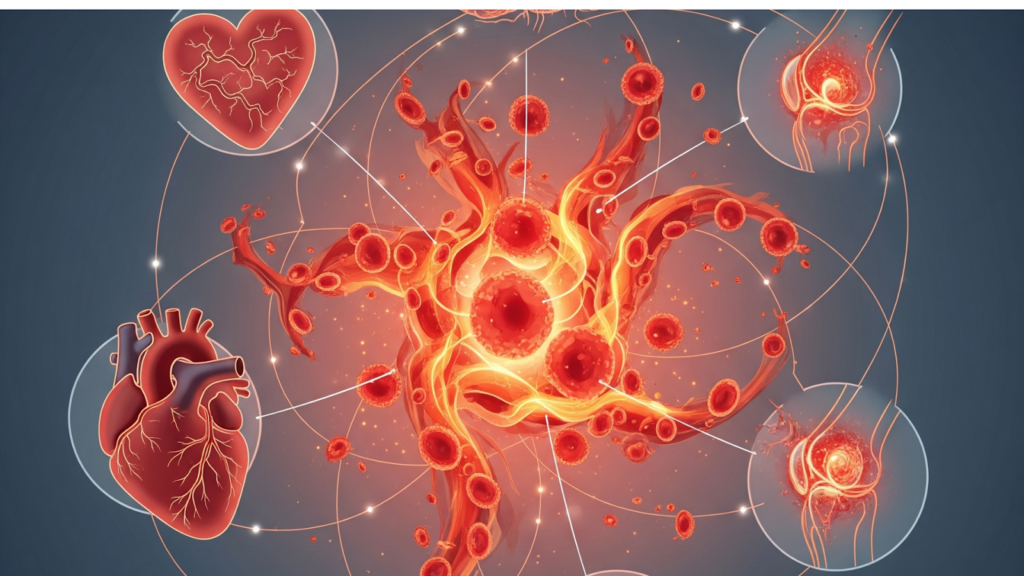

Inflammation is a natural process that helps in healing our body by responding to injury and infection. But when inflammation lasts longer than it can lead to serious problems or chronic issues like heart disease, rheumatic arthritis, or diabetes.
Our body defence system, i.e, “the immune system”, plays a key role in controlling inflammation using specific proteins to regulate the process. One such protein is IL18, which helps manage the immune response, and understanding it is essential to find better treatment for such chronic diseases.
Read this post to know more about inflammation and its connection to chronic diseases.
What Is Inflammation And Why Does It Matter?
Inflammation is the body’s response to harmful things like infection, injuries, or toxins. It’s normal and an essential process that allows your body to heal.
For example, a fever means your body’s defence system is fighting in the right direction.
Inflammation causes redness, swelling, and heat in the affected area. But inflammation can harm the body if it occurs in healthy tissues or for a long time.
What’s The Difference Between Acute And Chronic Inflammation?
- Acute Inflammation:
-
- A short-term inflammation that occurs right after the injury or infection.
- Symptoms: redness, swelling, heat, and pain.
- Condition Associated With It: Minor injuries (cuts and burns) and infections (cold and flu).
- Chronic Inflammation:
- A long-term inflammation that persists for months or years.
- Symptoms: Fatigue, joint pain, swelling, and sometimes fever.
- Condition Associated With It: Heart disease, arthritis, diabetes, cancer, alzheimer’s, and autoimmune diseases.
What Causes Inflammation?
- Infection: Bacteria, viruses, and fungi.
- Injuries: Cut or sprain.
- Poor Diet: Excess sugar intake or processed food.
- Toxins: Exposure to pollutants or chemicals.
How Can You Reduce Inflammation Fast?
Apply a cold compress, take rest, eat anti-inflammatory food, stay hydrated, do moderate exercises, and manage stress.
What Is The Role Of Protein In Inflammation?
Immune proteins, specifically “cytokines, play a significant role in reducing inflammation. These are the molecules that are produced by the immune cells and regulate the immune response.
Cytokines send signals to the immune cells when the body faces any injury or infection. However, if the signals are not properly regulated, inflammation gets worse and leads to chronic health problems.
One essential cytokine is IL-18, is involved in the inflammatory response and activates other immune cells. Too much IL-18 can lead to chronic inflammation, contributing to long-term inflammation and also leading to tissue and organ damage. Over time, it can lead to severe problems like heart attacks, joint damage, and insulin resistance in diabetes.
That’s why researchers use tools like polyclonal antibodies to study IL-18 to understand how it leads to inflammation and how to control it.
How Do Researchers Study IL-18 And Its Effects?
Researchers use polyclonal antibodies to study proteins like IL-18 because these antibodies can detect and bind to the target protein.
The Rabbit IL18 Polyclonal Antibody is used by scientists in their research to track the level and effect of IL-18, leading to diseases like heart disease and diabetes.
Final Thought
Inflammation is a vital process for healing, but chronic inflammation can lead to serious health issues.
Understanding the role of protein is important for addressing the root cause of diseases such as diabetes and arthritis. For an individual taking preventive measures, a healthy diet and managing stress can help reduce the risk of chronic inflammation.
Continued research and improved treatment are doing wonders in preventing these conditions.