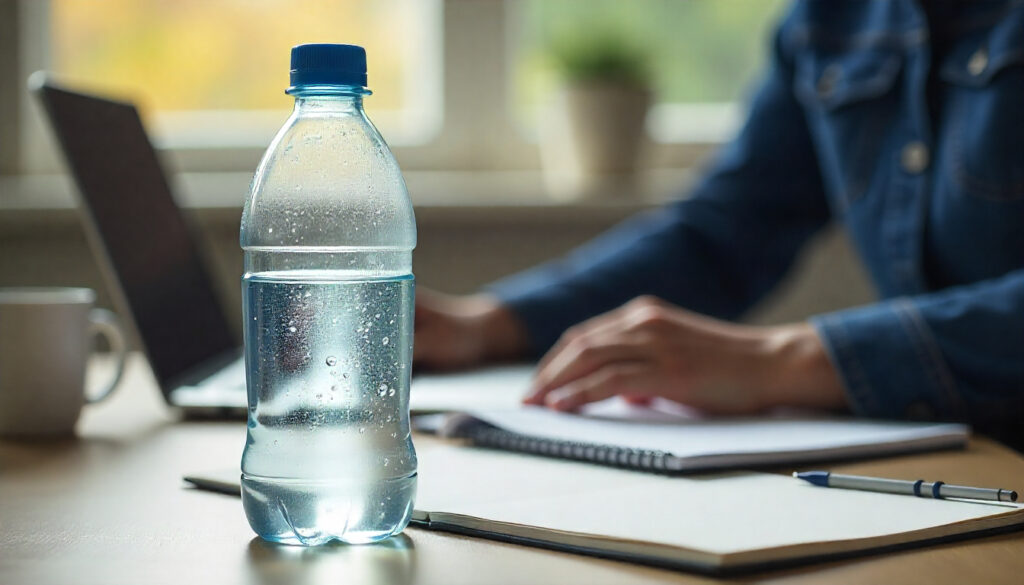

Water bottles quietly shape daily health habits. They sit on office desks, school bags, kitchen counters, and car cup holders. People refill them again and again, trusting that clean water stays clean inside. Yet the safety of Water Bottles often receives little attention until problems appear. A strange smell, a cracked surface, or frequent leaks raise questions that should have been asked earlier. Choosing the right bottle protects hydration routines, supports hygiene, and reduces exposure risks, especially when selecting a Kids Water Bottle for young users.
This guide explains what truly matters while choosing water bottles for everyday use and how simple decisions can protect health over time.
Why Water Bottle Safety Deserves Attention
Water acts as a carrier. Whatever touches the inside of a bottle eventually reaches the body. Poor materials, worn surfaces, or trapped moisture create conditions that affect taste and cleanliness. These issues may seem minor at first, yet repeated exposure builds long-term impact.
Children face higher risk because they drink water more frequently throughout the day. Their bottles remain exposed to heat, spills, drops, and frequent handling. A safe bottle supports hydration without unwanted side effects.
Hidden Issues Found in Everyday Water Bottles
Most bottle problems develop gradually rather than instantly.
Plastic surfaces collect tiny scratches that trap residue. Lids may loosen with repeated opening. Heat exposure inside bags or cars increases moisture buildup. Over time, water quality changes even when refilled with clean water.
Many users mistake odor problems as water quality issues rather than container hygiene problems. Replacing or upgrading the bottle often solves the issue completely.
Understanding Different Water Bottle Materials
Plastic Water Bottles in Daily Life
Plastic remains popular for daily use because it feels light, affordable, and portable. High-quality plastic maintains its shape, color, and texture even after months of refilling. Poor-quality plastic changes appearance, absorbs smells, and loses firmness.
Smooth interior walls reduce bacterial buildup. Thick plastic resists cracking during drops. When selecting plastic bottles, firmness and finish matter more than appearance.
Glass Water Bottles
Glass keeps water taste neutral and resists odor absorption. It suits indoor settings and calm environments. For everyday travel, glass bottles require protective sleeves since breakage remains a concern.
Parents often avoid glass bottles for children because of safety risks during play or school hours.
Stainless Steel Bottles
Metal bottles offer durability and temperature retention. They resist stains and odors well. Interior linings affect taste stability, so checking interior quality helps avoid metallic aftertastes.
Steel bottles suit outdoor activities and long commutes where temperature control matters.
Choosing the Right Kids Water Bottle
Safety Features for Children
Children treat bottles differently than adults. They drop them, squeeze them, and sometimes chew spouts. A Kids Water Bottle needs impact resistance and soft mouthpieces that do not crack easily.
Secure lids prevent spills inside school bags. Rounded edges reduce injury risks. Lightweight designs help children carry bottles comfortably throughout the day.
Hygiene Matters Even More for Kids
Kids often place bottle caps on desks, floors, or playground benches. Wide openings allow easier cleaning and drying. Bottles with fewer parts reduce moisture buildup.
Parents notice fewer odor issues when bottles dry fully after washing.
How Bottle Design Affects Cleanliness
Bottle design shapes hygiene more than most realize. Narrow necks limit cleaning access. Complex lids trap water droplets. Decorative grooves inside bottles collect residue.
Simple designs support easier cleaning routines. Removable caps allow full drying. Transparent bottles make it easier to notice residue or buildup early.
When Should Water Bottles Be Replaced?
No bottle lasts forever. Replacement timing depends on usage habits, washing frequency, and exposure conditions.
Signs that suggest replacement include:
• Persistent odor after cleaning
• Visible scratches or cloudy surfaces
• Loose lids that fail to seal
• Cracks or shape changes
Ignoring these signs risks water contamination. Replacing bottles restores confidence and safety.
Comparing Popular Water Bottle Types
| Feature | Plastic Water Bottles | Kids Water Bottle | Stainless Steel Bottles |
|---|---|---|---|
| Durability | Moderate with careful handling | Built for drops and daily handling | High durability |
| Cleaning Ease | Easy with wide openings | Simple designs aid hygiene | Smooth interiors |
| Weight | Very light | Lightweight for children | Slightly heavier |
| Temperature Control | Limited | Limited | Maintains temperature |
The Role of Proper Storage
Storage conditions affect bottle safety. Bottles break down faster when exposed to heat or strong sun. Heat encourages moisture retention and surface breakdown.
Storing bottles dry with lids open prevents odor formation. Regular air exposure reduces bacterial growth inside caps.
How Price Influences Quality Choices
Budget matters, yet extremely low prices often reflect compromised materials or weak construction. Comparing Water Bottles Price in Pakistan helps identify fair ranges without sacrificing safety.
Higher prices do not always guarantee quality, but extremely cheap options usually cut corners in material thickness or lid sealing.
Encouraging Healthy Hydration Habits
A comfortable bottle promotes frequent water intake. Clean taste encourages regular sipping. Leak-free lids reduce frustration. Children drink more water when bottles feel easy to use and visually appealing.
Adults benefit equally when bottles integrate smoothly into daily routines without maintenance headaches.
Cleaning Habits That Extend Bottle Life
Daily rinsing removes residue. Weekly deep cleaning prevents buildup. Warm water and mild soap work well. Drying fully prevents moisture traps.
Avoid abrasive brushes that scratch surfaces. Gentle cleaning extends lifespan and preserves safety.
Why Everyday Bottles Deserve Thoughtful Selection
Water bottles remain constant companions. They touch lips, hands, and surfaces repeatedly. Choosing the right bottle reduces exposure risks and supports long-term health routines.
Parents gain peace of mind when children carry safe bottles to school. Adults enjoy clean hydration without odor concerns. Small choices create lasting impact.
Final Thoughts
Choosing a water bottle feels simple, yet the impact reaches far beyond convenience. Safe materials, clean design, and proper maintenance protect hydration habits daily. Paying attention to bottle safety supports healthier routines for adults and children alike. A good bottle stays quiet, reliable, and reassuring, letting water remain exactly what it should be, clean, fresh, and safe.
Visit for news and updates at covelliticica.com