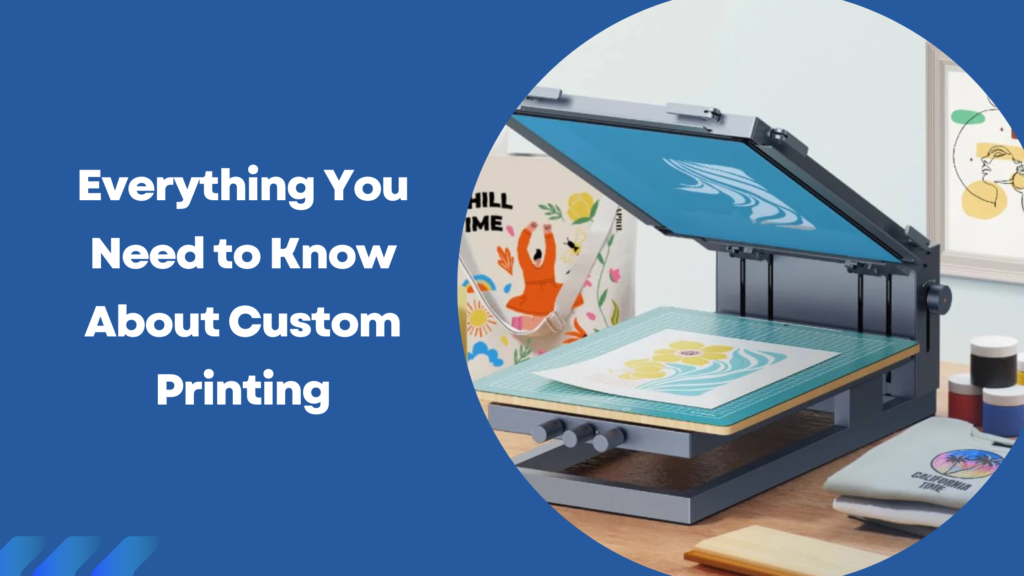

In today’s competitive market, presentation is key. Custom printing is a powerful tool that allows businesses to showcase their brand, enhance product appeal, and create memorable experiences for customers. From packaging to promotional materials, custom printing elevates the visual identity of any product or brand.
This guide covers everything you need to know about custom printing, including techniques, materials, benefits, and its impact on branding.
What Is Custom Printing?
Custom printing is the process of producing designs, logos, text, or patterns on various surfaces according to specific requirements. Unlike standard mass-printed materials, custom printing is tailored to meet a brand’s identity and product needs. It can be applied to packaging, apparel, labels, promotional items, signage, and more.
Custom printing ensures consistency in brand presentation while allowing for creativity and unique design elements.
Common Custom Printing Techniques
Different printing methods are used depending on the material, design complexity, and desired finish:
1. Digital Printing
Quick and cost-effective for small to medium runs. Ideal for full-color designs and detailed graphics.
2. Offset Printing
Best for high-volume printing with precise color reproduction. Offers consistent quality and durability.
3. Screen Printing
Commonly used for textiles and promotional items. Provides vibrant colors and works well on different surfaces.
4. Foil Stamping
Adds metallic finishes, giving a premium and luxurious appearance. Often used for logos, labels, and gift packaging.
5. Embossing and Debossing
Creates a tactile effect by raising or pressing designs into the surface, adding elegance and depth.
6. UV Printing
Uses ultraviolet light to cure ink instantly, allowing for durable and vibrant prints on various surfaces.
Materials Suitable for Custom Printing
Custom printing can be applied to a wide range of materials:
-
Paper & Cardboard: Packaging, brochures, and labels.
-
Plastic: Bottles, pouches, and retail products.
-
Fabric & Textiles: Apparel, bags, and promotional items.
-
Metal: Signage, cans, and premium packaging.
-
Glass & Ceramics: Bottles, jars, mugs, and decorative items.
Choosing the right material ensures optimal print quality and durability.
Benefits of Custom Printing
Custom printing offers numerous advantages for businesses and brands:
1. Enhanced Brand Recognition
Consistent logos, colors, and designs make products instantly recognizable, building trust and loyalty.
2. Professional Appearance
High-quality printing elevates product presentation, making items look polished and premium.
3. Marketing and Promotion
Custom printing serves as a marketing tool. Well-designed packaging and materials catch attention and attract customers.
4. Personalization
Printing names, messages, or unique designs on products creates a personal connection with customers.
5. Versatility
Applicable to multiple industries and products, from retail and food packaging to corporate gifts and promotional items.
Industries That Benefit from Custom Printing
Custom printing is widely used across industries:
-
Retail & E-commerce: Packaging, labels, and promotional materials.
-
Food & Beverage: Bottles, pouches, and boxes with printed branding.
-
Cosmetics & Beauty: Skincare, makeup, and gift sets.
-
Corporate Branding: Business cards, stationery, and giveaways.
-
Events & Celebrations: Personalized gifts, banners, and decorations.
Its versatility makes it a valuable asset for businesses of all sizes.
Sustainability and Eco-Friendly Custom Printing
Sustainable printing options are increasingly important. Brands can choose recycled or biodegradable materials and use eco-friendly inks. Minimizing waste, using soy-based inks, and reducing excess packaging contribute to environmentally responsible printing practices. Sustainable printing not only protects the planet but also enhances brand reputation among eco-conscious consumers.
Cost Considerations
The cost of custom printing depends on factors such as material, printing technique, order quantity, and design complexity. Digital printing is more affordable for small runs, while offset printing becomes cost-effective for large orders. Planning design and quantity carefully helps maximize quality while controlling costs.
Tips for Effective Custom Printing
-
Ensure high-resolution designs for sharp and clear prints.
-
Choose the right material and printing technique for durability and visual appeal.
-
Maintain brand consistency across all printed products.
-
Consider finishes like matte, gloss, or foil to enhance aesthetics.
-
Work with a reliable printing partner to ensure quality and timely delivery.
Final Thoughts
Custom printing is a vital tool for modern brands. It enhances product presentation, strengthens brand identity, and creates memorable customer experiences. By choosing the right materials, techniques, and designs, businesses can leverage custom printing to stand out in competitive markets.
Investing in high-quality custom printing transforms ordinary products and materials into powerful marketing assets that leave a lasting impression on customers.