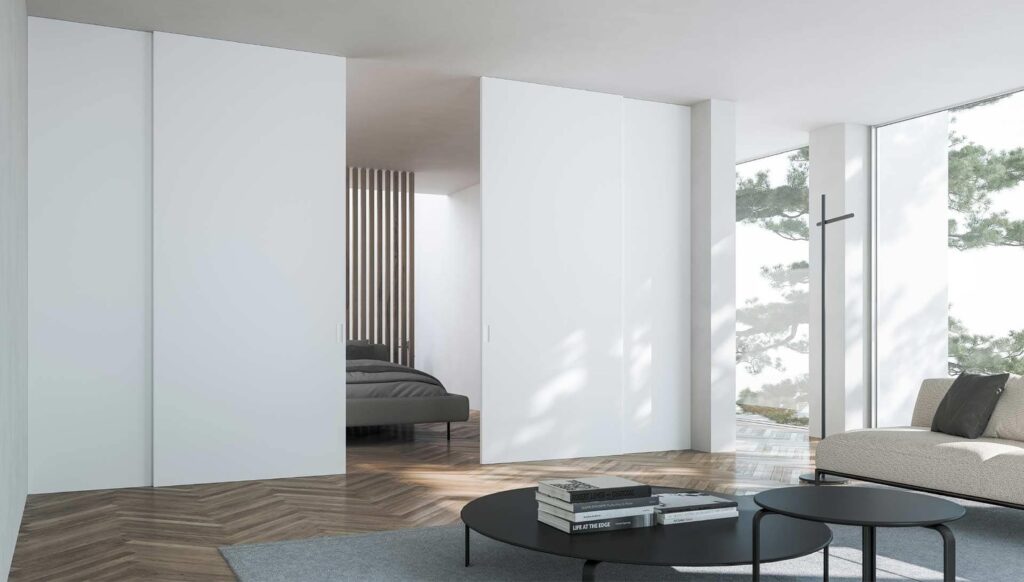

Every home tells its own story through its layout, flow, and character. Families shape their spaces to match their daily habits, and they often search for design features that make movement easier and rooms more flexible. Many homes feel tight or crowded without the right structure, so people explore smart options that create smoother transitions. This search leads them toward space-saving ideas such as a slide and hide door, which fits naturally into compact or creative layouts.
People enjoy features that adapt quickly without adding clutter. As homes grow more unique, doors must adjust to fit unusual corners, narrow walkways, and multi-purpose rooms. Custom choices help people shape cosy areas, open zones, or private corners with ease. Because small details matter, door systems play a key role in building a space that flows well and feels comfortable every day.
Why Homes Benefit from Adaptable Door Designs?
Homes often include tight pathways or unusual angles that interrupt movement. A typical swing door sometimes blocks natural flow and limits furniture placement. When people choose modern door designs, they unlock better use of their space. Adaptable door systems encourage smooth transitions between rooms and support creative layouts.
People also enjoy flexible designs because they reduce visual clutter. Narrow spaces feel wider when doors slide instead of swinging. Families gain more room for shelves, décor, or seating, making their home feel more balanced.
Why door flexibility matters:
- It frees up floor space.
- It improves traffic flow.
- It supports more layout choices.
These benefits help shape a comfortable and functional home.
Understanding the Potential of Slide and Hide Door Designs
A slide and hide door moves along a track and tucks neatly into a concealed pocket. This motion creates open pathways and removes the need for a large swing radius. Because this design disappears into the wall, it creates a clean and seamless look. People enjoy how this door style blends smoothly with both modern and classic interiors.
This type of door helps homeowners manage tight hallways, narrow kitchens, or compact rooms. It also makes shared spaces easier to transform. Families adjust the layout quickly by sliding the door open or shut, depending on what the moment requires.
How slide and hide designs improve daily living:
- They clear pathways instantly.
- They support both open and private spaces.
- They maintain a neat appearance.
These features make the system practical and attractive.
How a Sliding Door System Supports Creative Interior Layouts?
A well-built Sliding Door System supports more flexibility than most traditional doors. It glides smoothly across surfaces and helps people divide or open areas whenever needed. Because the system does not require extra floor space, it fits well inside unique layouts where furniture placement becomes a challenge.
People also enjoy the quiet movement of these systems, which adds comfort to daily tasks. Since the door does not swing out, families create safer walkways for children, pets, or guests. A strong sliding system encourages fluid movement across busy areas.
How sliding systems create smoother layouts:
- They open and close easily.
- They create adaptable spaces.
- They fit into tight sections of the home.
These qualities improve how rooms connect with each other.
Why Custom Slide and Hide Door Solutions Work Well in Special Spaces?
Many homes include unusual corners, angled walls, or shared-use rooms. When families explore custom slide-and-hide door solutions, they shape doors that suit these special areas. Custom systems adapt to the height, width, and depth of each opening. They also blend with a home’s style, whether simple, bright, textured, or bold.
Custom solutions also help people combine function with design. They choose colours, materials, and finishes that highlight the personality of their home. Because every layout differs, custom options create a smooth and tailored experience.
Why custom options matter:
- They fit unique openings.
- They match individual style choices.
- They support stronger layout flexibility.
Customisation helps homes gain comfort and harmony.
Comparing Door Types for Unique Layouts
Before the table, it helps to understand that each door type offers its own strengths. Some support tighter spaces, while others enhance visual style or storage needs. This comparison helps people understand how these systems behave.
| Door Type | Best for | Key Advantage |
| Swing Door | Wide spaces | Simple installation |
| Sliding Door System | Narrow paths | Smooth horizontal movement |
| Slide and Hide Door | Tight layouts | The door disappears into the wall |
This table makes design decisions easier.
How Slide and Hide Doors Enhance Small Rooms?
Small rooms demand smart design choices. Bulky doors limit movement and block furniture placement. A slide-and-hide door removes this problem by gliding quietly into its pocket. Without a swinging door, the room feels larger and more open. Families enjoy placing shelves, desks, or seating where they could not place them before.
Small bedrooms, pantries, and study nooks benefit the most from this type of door. The clean motion encourages better organisation and supports a more relaxing space.
How these doors support small-room comfort:
- They free up wall space.
- They help arrange furniture better.
- They keep the room neat.
These changes improve the room’s balance and comfort.
How a Sliding Door System Helps Connect Multi-Use Areas?
Modern homes often feature rooms that serve more than one purpose. Families combine living areas with study corners or dining spaces with work zones. A reliable Sliding Door System allows them to adjust these zones easily. They glide the door open to share a space or close it to create privacy.
This flexibility keeps the home organised. It also helps families switch between activities without disrupting comfort. The simple movement supports quick transitions throughout the day.
How sliding systems help multi-purpose rooms:
- They create private zones when needed.
- They open spaces for group activities.
- They encourage a smoother daily flow.
These systems lift the function of shared spaces.
Why Custom Slide-and-Hide Door Solutions Improve Comfort?
People value comfort at home. When they choose custom slide-and-hide door solutions, they tailor their door to match their lifestyle. They select materials that soften the room’s feel and colours that complement existing décor. Each custom choice encourages a calm and beautiful environment.
Custom systems also let families decide how far the door tucks into the wall or how quietly it moves. These small choices create a personalised experience that supports relaxation and ease.
How custom systems add comfort:
- They blend with the home’s personality.
- They create a smooth entry and exit.
- They add charm through design details.
Customisation elevates comfort and style.
How Slide and Hide Doors Improve Home Flow?
Home flow depends on how easily people move between rooms. A door that blocks walkways disrupts this comfort. A slide-and-hide door clears the path and allows people to glide through rooms with ease. This smooth movement encourages a peaceful and organised environment.
Flow also improves when doors reduce noise. The quiet motion of this door style keeps mornings calmer and evenings more relaxing. Homes feel more inviting when movement stays smooth.
How these doors shape home flow:
- They reduce clutter in narrow areas.
- They support soft transitions between rooms.
- They keep busy zones more organised.
These improvements create a harmonious layout.
Why Material Choices Matter in Custom Designs?
Doors affect the mood of the entire home. People explore wood, glass, metal, or mixed materials depending on their style. Strong materials help the system glide smoothly and stay durable for years. When choosing materials, people consider weight, texture, and overall design.
Different materials suit different rooms. Glass brightens dark areas, wood warms quiet corners, and metal supports modern styles. This variety helps people build a charming and long-lasting design.
How materials influence design
- They shape the look and feel of the door.
- They affect sound control.
- They enhance visual balance.
Materials guide the tone of each room.
Conclusion
Homes grow more comfortable when doors support their unique layouts. Modern designs, such as a slide and hide door, help families manage tight spaces and creative arrangements. Systems like a Sliding Door System add flexibility, smooth motion, and visual harmony.
Meanwhile, thoughtful custom slide and hide door solutions transform unusual openings into functional and beautiful features. With the right choices, every home gains smoother movement, better organisation, and a stronger sense of comfort and style.
FAQs
Why do slide and hide doors suit small spaces?
They suit small spaces because they open without blocking pathways and help keep rooms organised.
How does a sliding system improve room flexibility?
It improves flexibility by dividing or connecting spaces whenever needed, supporting smooth transitions.
Why choose custom door solutions?
People choose custom solutions to match unique layouts, personal styles, and comfort needs.
What materials work best for these doors?
Materials such as wood, glass, or metal work well depending on the room’s style and function.