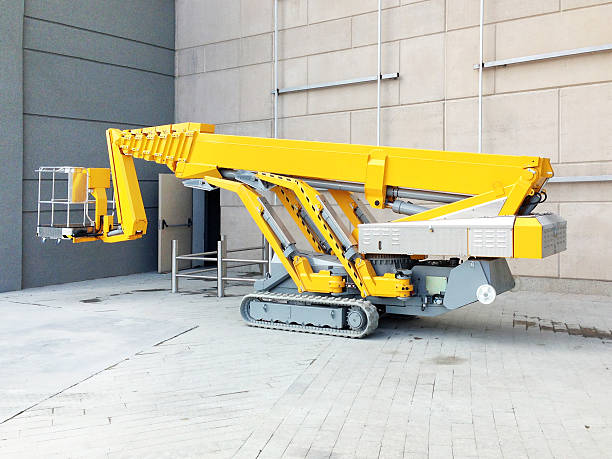

Large infrastructure projects never slow down. Roads, bridges, rail lines, and power plants all demand steady progress, even when work areas are hard to reach. Crews often need safe access at height, across wide ground, and over fixed obstacles. That is where delays start. Traditional access tools struggle on large sites, and manual methods add risk and cost.
A telescopic boom lift solves many of these challenges in one move. It offers long reach, steady control, and strong load support. This guide explains why boom lifts for infrastructure projects are now standard on major sites. The insights come from real project use across transport, utilities, and civil construction. By the end, the role of this equipment will feel clear and practical.
The Scale Challenge in Modern Infrastructure Work
Infrastructure sites are large by design. They stretch across long distances and uneven ground. Workers often need to reach high points without moving materials many times.
Height, Distance, and Obstacles
Unlike small builds, infrastructure work deals with:
- Long horizontal reach needs
- Tall fixed structures
- Limited access routes
- Active work zones below
A scaffold tower cannot shift fast enough. Ladders create safety risks. This slows work and raises costs.
Why Access Speed Matters
When access tools delay a task, the whole schedule slips. Crews wait, machines idle, and site managers lose control of the timeline. A telescopic boom lift helps avoid this by reaching the task directly, without setup time.
What is a Telescopic Boom Lift?
A telescopic lift uses a straight extending arm to reach high or distant work points. The arm slides outward in sections, keeping the platform stable.
Core Design Features
This equipment offers:
- Long straight outreach
- Fixed platform stability
- Strong load handling
- Smooth lift movement
Because the boom extends forward, workers can reach over barriers and work zones without repositioning.
Telescopic Boom Lift vs Telescopic Handler
A telescopic handler focuses on lifting loads. A boom lift focuses on lifting people safely. Both matter on large sites, but only the boom lift provides secure access at height with guard rails and controls.
Why Telescopic Boom Lifts Suit Infrastructure Sites
Not all access machines work well on open, rough sites. Infrastructure projects demand more from equipment.
Long reach without constant movement
A single setup can cover a wide area. Crews do not need to stop and relocate often. This keeps work flowing and reduces ground traffic.
Stable work at height
Strong platforms support tools and materials. Workers feel steady, even at full extension. This improves focus and work quality.
Clear line of sight
Operators can see the task area clearly. This helps with alignment, fitting, and inspection work across bridges and towers.
Telescopic Boom Lifts for Infrastructure Maintenance
New builds are not the only users. Maintenance teams rely on this equipment long after completion.
Road and Bridge Upkeep
Tasks include:
- Lighting repair
- Sign fitting
- Structural checks
A telescopic boom lift for infrastructure reaches over live lanes without blocking traffic for long periods.
Rail and Transit Systems
Access near tracks must stay controlled. The long reach allows crews to work from safe zones, away from active lines.
Safety Benefits on Large Sites
Safety rules are strict on infrastructure projects. Access equipment must meet high standards.
Reduced fall risk
Guard rails, harness points, and stable platforms lower the risk of falls. Workers stay secure while handling tools.
Fewer ground hazards
Less repositioning means fewer machines crossing busy zones. This cuts collision risk and improves site order.
Better control of wind and height
Modern models include tilt sensors and load limits. These systems protect both workers and equipment during high-level tasks.
Productivity Gains Across Project Phases
Time savings add up across months of work.
Faster task completion
Workers reach the task in one move. There is no need for staged access builds or dismantling.
Lower labour strain
Crews work at a comfortable height. Fatigue drops, and accuracy improves.
Consistent daily output
Because setup time stays low, daily targets remain steady, even as tasks change.
Key Industries that Rely on Telescopic Boom Lifts
Large-scale projects across sectors use this equipment daily.
Transport and civil works
Roads, tunnels, and ports all need safe access across wide zones. Telescopic boom fit this demand well.
Energy and utilities
Power lines, wind farms, and substations require height access with reach. Straight booms handle these needs with ease.
Industrial infrastructure
Plants and processing sites often include tall steel frames. Boom lifts allow fitting and checks without stopping other work.
Choosing the Right Telescopic Boom Lift
Not every model suits every site. Selection matters.
Factors to Assess
Look at:
- Maximum working height
- Horizontal reach
- Platform load limit
- Ground conditions
Matching the lift to the task avoids downtime and safety issues.
Electric or Diesel Options
Electric models suit indoor or low-noise areas. Diesel units handle rough terrain and long outdoor shifts. Many large projects use both.
Cost Control and Long-term Value
Equipment choice affects the budget beyond hire rates.
Reduced access to build costs
Scaffolding and temporary structures cost time and labour. Boom lifts remove much of this need.
Fewer delays and rework
Better access means cleaner work first time. This avoids repeat visits and inspection issues.
Strong return on use
Over a long project, the savings in time and safety far outweigh the initial cost.
Environmental and Site Impact Considerations
Modern infrastructure projects focus on impact control.
Lower site congestion
Fewer access builds keep the site clear. This helps traffic flow and material delivery.
Cleaner operation options
Electric boom lifts cut noise and emissions. This suits urban projects and sensitive areas.
The Role of Training and Planning
Equipment alone does not ensure success.
Skilled operators matter
Trained operators move faster and safer. They understand reach limits and site flow.
Early access planning
When access needs are planned early, boom lift use fits smoothly into the schedule. This prevents last-minute changes.
Conclusion
Large-scale infrastructure projects require accessibility that is safe, fast, and reliable. Telescopic boom lifts are more suitable than most other machines with regard to these aspects. This is because they not only provide good reach but also have a stable platform, which is an appropriate aspect with regard to building as well as repairing activities.
When used in combination with the correct telescopic handler and planning, the equipment assists in keeping the team on schedule and budget. From transport infrastructures to energy facilities, the equipment has become the norm.
Its benefit is not limited to height but encompasses control, safety, and gradual progress over terrain that is complex.
FAQ
What makes telescopic boom lifts more apt for infrastructure as compared to scissor lifts?
Scissor lifts move straight up and require clear ground below them. Telescopic boom lifts outreach forward and over obstacles, which suits wide and complex sites.
Are the telescopic boom lifts safe to use for long-term p rojects?
Yes, they provide stable and secure access over long periods, provided proper checks and trained operators.
Are telescopic boom lifts capable of working on ground that is uneven?
Rough-terrain models can negotiate difficult ground with ease. Outriggers and big tyres improve stability on open sites.
How are telescopic handlers different from boom lifts?
A telescopic handler lifts materials, a lot like a forklift. A telescopic boom lift lifts people. The two pieces of equipment often work together on infrastructure projects.