
Artificial intelligence has steadily become part of routine medical care, quietly supporting doctors in making more accurate and timely decisions. Instead of changing how care feels, it improves how information is analyzed behind the scenes. In conditions where precision matters, such as vein disorders and breast lumps, this support is especially valuable. Patients today also expect quicker clarity, fewer unnecessary tests, and treatments that fit into daily life. AI helps bridge this gap by improving accuracy while keeping patient comfort at the center of care.
How Does AI Improve Accuracy in Vein Treatment & Breast Lump Care?
Accuracy plays a critical role in both diagnosis and treatment planning. AI systems analyze large volumes of imaging data and clinical information to identify patterns that may otherwise be difficult to spot consistently. In vein and breast care, this means improved identification of disease severity, location, and progression.
AI tools assist doctors by highlighting areas that need closer evaluation and helping confirm findings with greater confidence. This reduces uncertainty, supports consistent interpretation across cases, and allows treatment decisions to be based on clear, data-driven insights rather than visual estimation alone.

Varicose Veins Care Requires Accurate Evaluation
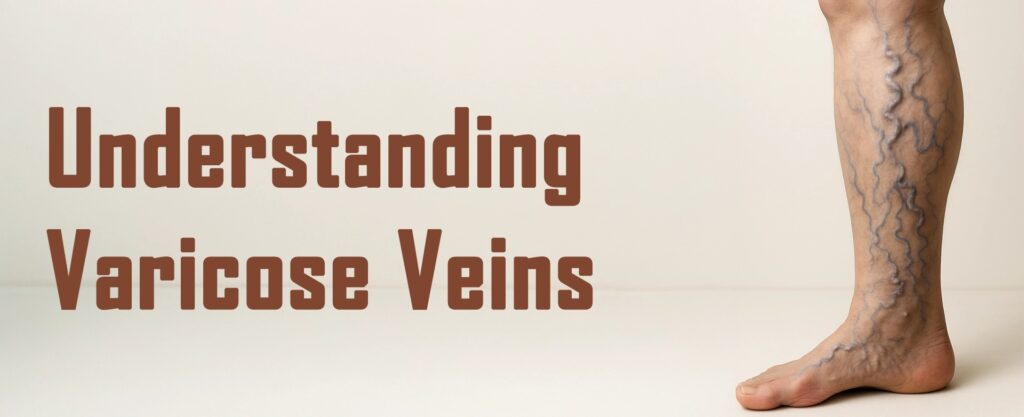
Varicose veins often involve deeper circulation issues that are not always visible on the surface. AI-enhanced ultrasound analysis allows clinicians to study blood flow, valve function, and vein structure in a more detailed and organized way.
When patients seek care for vein-related concerns, AI-supported mapping helps doctors identify the exact veins responsible for symptoms like pain, swelling, or heaviness. This level of detail allows a varicose veins specialist in Ahmedabad to focus treatment only where it is truly needed, avoiding unnecessary procedures. It also helps predict how well a patient may respond to minimally invasive options, making care more personalized and effective.
How Breast Lump Evaluation is Becoming More Precise
AI has strengthened breast lump assessment by supporting doctors at every stage of evaluation, from screening to treatment planning.
1. Improved Screening and Early Detection
AI-assisted imaging helps identify subtle changes in breast tissue earlier, allowing clinicians to focus attention where it is truly needed. This supports timely follow-up and reduces the chances of delayed diagnosis.
2. Enhanced Pathology Analysis
In cases where tissue sampling is required, AI tools assist in reviewing cellular patterns more consistently. This helps differentiate between benign and suspicious findings, supporting clear and confident clinical decisions.
3. Surgical Assistance & Treatment Planning
AI supports treatment planning by providing accurate measurements and location mapping of breast lumps. This allows doctors to plan image-guided or minimally invasive procedures with precision, improving safety and cosmetic outcomes.
4. Risk Stratification and Prevention
By combining imaging results with patient history, AI helps assess future risk and guide follow-up schedules. For many patients seeking breast lump treatment, this results in care plans that feel tailored rather than routine.
AI improves breast lump care by enabling earlier detection, clearer analysis, and more accurate treatment planning through advanced imaging and data support. It also helps personalize follow-up and prevention, making care more focused and reassuring for patients.
How Does AI Enhance Patient Experience and Convenience?
AI improves patient experience by reducing waiting times, limiting repeat tests, and providing quicker, clearer results. It also helps doctors explain findings better, making care more convenient and reassuring for patients.
Reduced Delays and Fewer Repeat Tests
Automated image analysis and structured reporting reduce waiting times for results. Faster processing also lowers the likelihood of repeat scans caused by unclear or incomplete assessments.
Clearer Communication and Reassurance
AI helps deliver faster results, reducing the stress that often comes with waiting for medical reports. By shortening turnaround times and presenting findings through clear visuals and simple explanations, patients gain a better understanding of their condition. This clarity builds confidence and allows them to take part in treatment decisions with greater ease.
Role of AI in Minimally Invasive Treatment Planning
Modern healthcare now prioritizes treatments that reduce discomfort and recovery time. With AI support, doctors can better match the right approach to each patient’s condition, focusing on what truly benefits long-term health.
By reviewing multiple clinical factors together, AI helps doctors decide when treatment is needed and when careful monitoring is enough. For patients consulting a varicose veins specialist, this results in fewer unnecessary procedures and care that stays focused on lasting vein health rather than quick fixes.
What AI-Driven Care Means for Today’s Patients
AI-assisted care aligns well with modern expectations of healthcare that values efficiency, clarity, and patient comfort. By reducing uncertainty and improving decision-making it helps patients feel more confident throughout their care journey.

Faster diagnostics, focused treatments, and quicker recovery times allow patients to stay engaged with work and family without extended interruptions. This balance is especially important in conditions that require careful monitoring rather than aggressive intervention.
In breast care, AI has improved how evaluations and treatment plans are developed, helping women feel more informed and reassured about their choices. For patients receiving breast lump treatment in Ahmedabad they consistent analysis and well-planned follow-up provide confidence not only in immediate decisions but also in long-term health outcomes.
FAQs
Q1: How does AI support doctors in treating varicose veins and breast lumps?
AI helps doctors analyze imaging and clinical data more accurately, supporting clearer diagnoses and better treatment planning without replacing medical judgment.
Q2: Does AI reduce the need for surgery in these conditions?
In many cases, yes. AI helps identify when monitoring or minimally invasive care is sufficient, reducing unnecessary procedures and recovery time.
Q3: Will AI make my diagnosis process faster?
AI-assisted analysis often shortens report turnaround times and reduces repeat tests, allowing patients to receive answers and next steps sooner.
Conclusion
AI has strengthened vein and breast care by improving diagnostic accuracy, simplifying treatment planning, and reducing uncertainty for patients. Its role supports informed decisions, greater comfort, and a smoother care journey without replacing human expertise. As technology continues to integrate into routine practice, healthcare providers like Dev Hospital are helping patients benefit from data-supported care that prioritizes safety, clarity, and personalized outcomes while keeping the focus on real human needs.