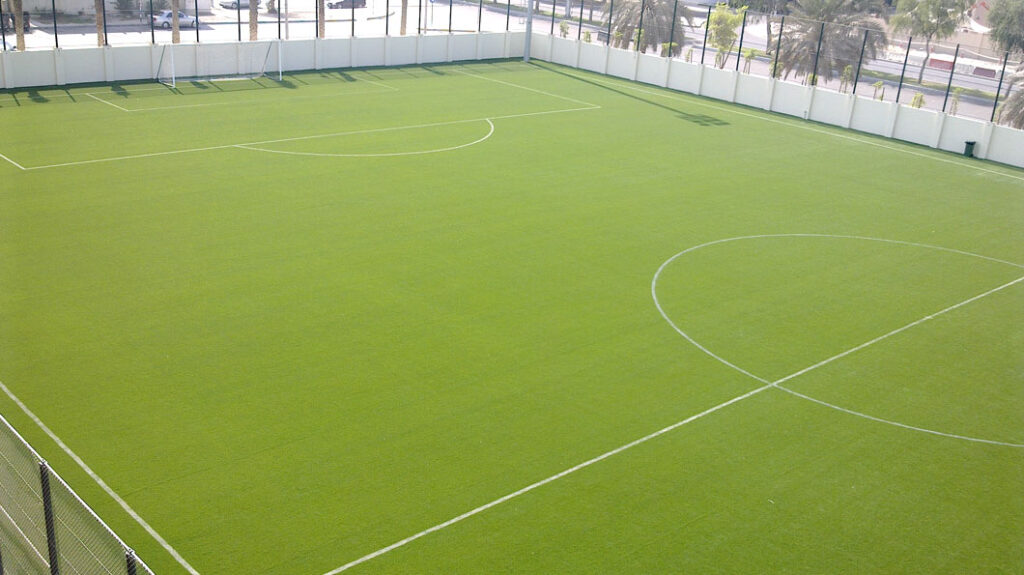

Installing artificial grass in the UAE has become increasingly popular due to its durability, low maintenance, and ability to withstand the region’s extreme heat. With more homeowners and businesses opting for this sustainable solution, it’s crucial to ensure the installation process is done correctly. Even the smallest errors can lead to big problems down the line, making your investment less worthwhile. Consulting experienced artificial grass suppliers in UAE can help you avoid costly mistakes and ensure a long-lasting, professional finish.
Why Proper Installation Matters
Artificial grass offers numerous benefits, but only when installed properly. Poor installation can lead to a host of problems including poor drainage, weed growth, uneven surfaces, and even damage to the synthetic grass over time. Proper groundwork, material choice, and finishing all contribute to the longevity and appearance of your synthetic lawn.
In the UAE, where the weather conditions are particularly harsh, precision in installation is not just a bonus, it’s a necessity.
Not Preparing the Ground Correctly
One of the most critical steps in artificial grass installation is preparing the sub-base. Many people make the mistake of laying the turf directly on soil or sand. This may seem like a shortcut, but it creates long-term issues such as poor drainage and weed invasion.
Instead, you should:
- Remove at least 5–10 cm of existing soil.
- Install a weed membrane.
- Add a crushed aggregate base (such as road base or limestone).
- Compact the area thoroughly.
Proper ground preparation ensures a smooth surface and prevents waterlogging, which is a major issue in the UAE due to infrequent but heavy rains.
Ignoring Drainage Needs
Drainage is another overlooked element. In the UAE’s arid environment, people often think rain isn’t a big concern. But when it rains, it pours. Without a well-draining sub-base, artificial grass can quickly flood or become muddy underneath, leading to odors and even mold.
Artificial turf should be installed on a base that allows water to percolate through quickly. Using a perforated turf and a crushed rock sub-base will facilitate proper drainage. Also, check that the ground is slightly sloped to allow runoff.
Mistake #3: Choosing the Wrong Type of Artificial Grass
There’s a wide variety of synthetic turf available, each designed for different purposes. Choosing the wrong type is a common mistake. For instance, sports-grade turf is different from landscape turf in terms of pile height, durability, and comfort.
When selecting your turf, consider:
- Intended use (children, pets, sports, decoration).
- Color tone (some turfs are too bright and look fake).
- UV resistance (important in the UAE sun).
- Pile density and height.
Consulting with experienced artificial grass suppliers in UAE can help ensure you choose the right product for your needs.
Not Securing the Edges Properly
The edges of artificial grass are often where installation fails. If not secured correctly, they can lift, curl, or allow weeds to creep through. This not only looks untidy but also compromises the overall durability of your lawn.
To avoid this:
- Use galvanized nails or turf pegs every 10–15 cm along the perimeter.
- For concrete or tiled surfaces, use adhesive glue suitable for high temperatures.
- Ensure the edges are neatly cut and joined, preferably with a seaming tape.
Strong edges create a finished look and prevent damage from foot traffic or weather changes.
Overlooking Joint Seams
Another issue that can ruin the aesthetics of your artificial lawn is poorly done seams. If the joins between turf sections are not aligned properly, they will stand out and make the grass look fake. Visible seams are a telltale sign of an amateur installation.
Here’s how to get it right:
- Always lay turf pieces in the same direction.
- Use high-quality joining tape and glue.
- Avoid overlapping the edges.
- Brush the grass fibers to blend the seams.
Professional artificial grass suppliers in UAE often offer installation guidance or services to ensure seamless joins, especially for large or irregular areas.
Using the Wrong Infill or Skipping It Entirely
Infill plays a key role in how artificial grass looks and feels. It keeps the grass blades upright, provides cushioning, and helps with drainage. Skipping infill or using sand alone can result in flattened turf and poor performance.
Recommended infill materials include:
- Silica sand: Helps with structure and drainage.
- Rubber granules: Great for softening high-traffic areas.
- Zeolite: Natural odor control for pet areas.
Even distribution of infill is important. After application, brush the turf using a power broom or stiff-bristled rake to ensure the infill settles deep into the fibers.
Not Considering Heat Impact
UAE’s climate can cause artificial grass to become extremely hot during summer. This can make the turf uncomfortable to walk on and potentially damage its structure over time.
To combat heat buildup:
- Choose turf with heat-resistant properties.
- Use light-colored infill that reflects heat.
- Consider installing shade structures or pergolas for certain areas.
While synthetic grass will always be warmer than natural grass, making heat-conscious choices can significantly improve usability.
Failing to Brush and Maintain the Turf
Many people assume that artificial grass is “install and forget.” While it’s true that it requires far less maintenance than real grass, some upkeep is necessary to keep it looking fresh and clean.
Maintenance tips include:
- Regularly brushing to keep fibers upright.
- Removing debris such as leaves and trash.
- Rinsing occasionally to remove dust.
- Treating for pet odor if applicable.
With proper care, high-quality turf sourced from artificial grass suppliers in UAE can last over a decade without noticeable wear.
Not Accounting for Expansion and Contraction
Synthetic materials expand in heat and contract in cold. While this isn’t much of a problem in consistently hot climates like the UAE, large installations can still suffer if the turf is installed too tightly or without leave for expansion.
When laying turf:
- Avoid pulling it too taut.
- Leave small expansion gaps around the edges.
- Use flexible adhesives when gluing turf to concrete.
Ignoring this can cause bubbling or wrinkling, ruining the lawn’s aesthetic.
Attempting a Complex DIY Without Experience
DIY installation may seem appealing to save on costs, but it can quickly become complicated. Poor installation not only affects appearance but also shortens the lifespan of the turf. In the UAE’s extreme environment, precision and experience matter even more.
If you decide to go the DIY route, take time to research each step. Or better yet, consult with trusted artificial grass suppliers in UAE who can offer professional guidance or services.
Final Thought
Artificial grass can be a game-changer for your home or business landscape in the UAE, saving water, reducing maintenance, and providing a lush green appearance all year round. But like any home improvement project, its success depends largely on proper installation.
By avoiding these common mistakes, from poor ground preparation to neglecting drainage and infill, you’ll be setting yourself up for a long-lasting, attractive, and hassle-free synthetic lawn. Always invest in quality materials, ask the right questions, and don’t hesitate to seek expert help when needed.