
Transporting students and staff safely is one of the most sensitive responsibilities in education. Traditional methods—paper registers, manual headcounts, and RFID-only systems—often leave room for error. Today, institutions are turning to smarter, data-driven tools. In particular, a biometric attendance system and modern bus attendance system solutions are transforming how schools and universities track commuters, protect students, and streamline operations.
What biometric attendance on buses really means
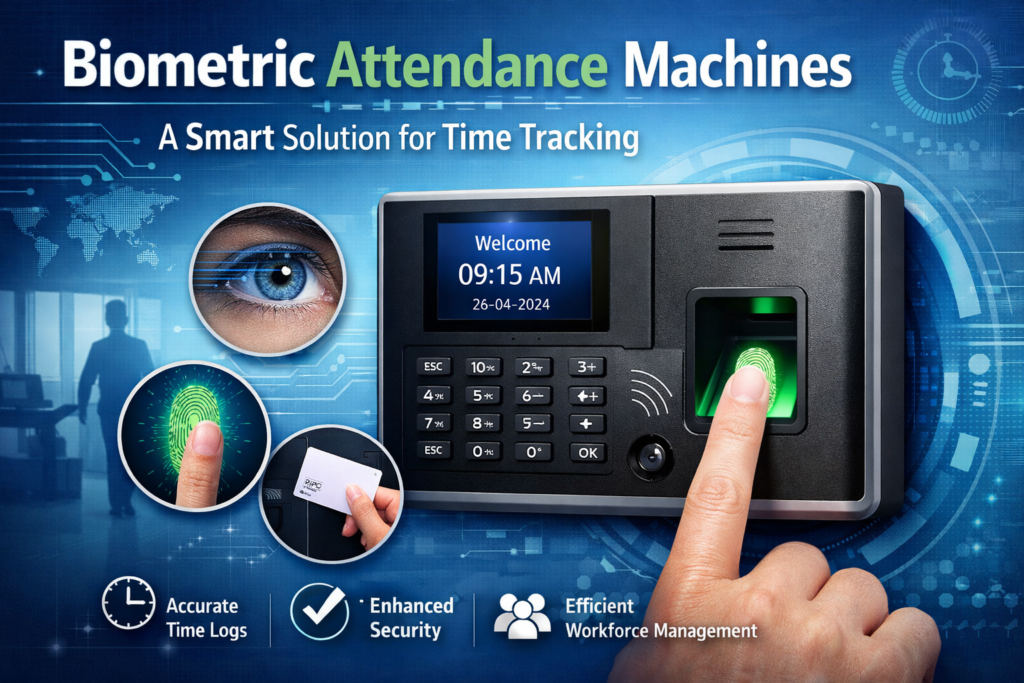
Biometric attendance uses unique physiological or behavioral characteristics most commonly fingerprints, facial recognition, or iris scans—to verify identity. Installed on buses, these systems record entry and exit events in real time and sync them with centralized dashboards used by administrators and transport managers.
Instead of relying on easily misplaced cards or shared PINs, biometrics link the individual to attendance with a high degree of certainty. For schools, that translates to fewer disputes, better visibility, and greater peace of mind for families.
Why schools and institutions are adopting biometric bus tracking
1. Stronger safety and accountability
Parents and administrators want to know when students board, where they travel, and when they get off. Biometric bus systems make that visibility possible. Many solutions integrate GPS, allowing real-time route monitoring and time-stamped biometric check-ins. Education authorities and child-safeguarding organizations worldwide emphasize the value of verifiable attendance records during transit, particularly for younger learners.
2. Accuracy over manual methods
Manual registers are prone to errors and even intentional manipulation. Biometrics significantly reduce “proxy attendance” and data entry mistakes. Studies discussed in transport security and educational technology journals consistently show higher accuracy rates with biometric systems than with card-based or manual approaches.
3. Time and cost efficiency
Automated data capture removes repetitive paperwork and lowers administrative overhead. When attendance data flows directly into school ERPs or HR systems, transport managers can focus on planning routes, monitoring utilization, and improving service quality rather than chasing missing records.
4. Better communication with parents
Many biometric bus attendance tools integrate with mobile applications, sending notifications when children board or leave the bus. This simple but powerful feature builds trust with families and reduces inbound queries to schools, especially during peak hours.
Core components of a biometric bus attendance system
Onboard biometric hardware
Devices may use fingerprint readers or AI-based facial recognition cameras designed for moving vehicles and varying light. Durability and data encryption are essential features to look for.
Software and cloud platform
The backbone of the solution is a secure platform that stores records, generates reports, and integrates with student information systems. Administrators can view trends, route reports, and exception alerts in a single dashboard.
Connectivity with GPS and RFID
Hybrid models combine biometrics with GPS and existing RFID cards, ensuring redundancy and flexibility. This layered design supports institutions of different sizes and budgets.
Benefits for students, staff, and administrators
- Students: safer rides, quicker boarding, and reduced risk of impersonation
- Parents: real-time updates and transparency about journey status
- Drivers and attendants: less paperwork, clearer headcounts
- Administrators: actionable insights into route utilization, punctuality, and compliance
Human factors also matter. When attendance becomes seamless and unobtrusive, transport operations feel calmer and more organized, especially during large morning or afternoon runs.
Addressing common concerns: privacy, ethics, and compliance
Any technology involving biometrics must be handled responsibly. Reputable solution providers emphasize:
- data minimization and secure storage
- explicit consent from parents or staff
- compliance with national data protection laws
- clear policies on retention and deletion
International standards bodies and privacy commissions recommend strong encryption and transparent communication about how biometric data is used. Schools adopting these technologies should publish policies and provide opt-in processes where required by law.
The role of Nialabs in advancing bus attendance technology
Nialabs has emerged as one of the innovators helping institutions modernize attendance and transport monitoring. Its solutions focus on intuitive design, automation, and secure data handling. By integrating biometrics with GPS tracking, analytics, and mobile alerts, Nialabs supports schools in building safer, smarter transport ecosystems.
Beyond hardware, the company emphasizes implementation support—policy guidance, training, and integration with existing school management systems—ensuring technology adoption is smooth rather than disruptive. Institutions seeking digital transformation in transport often value this end-to-end approach.
Implementation best practices for schools and universities
Rolling out biometric attendance on buses works best when it is planned carefully:
- Engage stakeholders early: include administrators, transport staff, parents, and students
- Pilot before scaling: test devices on a few routes to resolve practical challenges
- Train staff: drivers and attendants should understand device use and troubleshooting
- Create clear consent processes: communicate openly about how data will be protected
- Review policies regularly: align with evolving data protection regulations
These steps help schools realize value quickly while building trust in the system.
Future trends: where bus biometrics are heading
Artificial intelligence and edge computing are making biometric devices faster and more reliable—even in motion. Future systems may combine:
- facial recognition with temperature or helmet detection for safety programs
- predictive analytics to forecast route loads
- integrations with smart city transport infrastructure
Sustainability is another direction; schools are looking for energy-efficient devices and paperless processes that support environmental goals.
Final thoughts: technology serving people
When used thoughtfully, biometric attendance on buses is less about surveillance and more about stewardship—protecting students, supporting staff, and giving administrators accurate tools to make informed decisions. The result is a transport system that feels safer, runs more efficiently, and provides families with the reassurance they deserve.
Educational institutions evaluating these systems should prioritize reliability, privacy safeguards, user experience, and reputable partners such as Nialabs. By combining policy, technology, and transparent communication, schools can adopt biometric attendance confidently and responsibly.