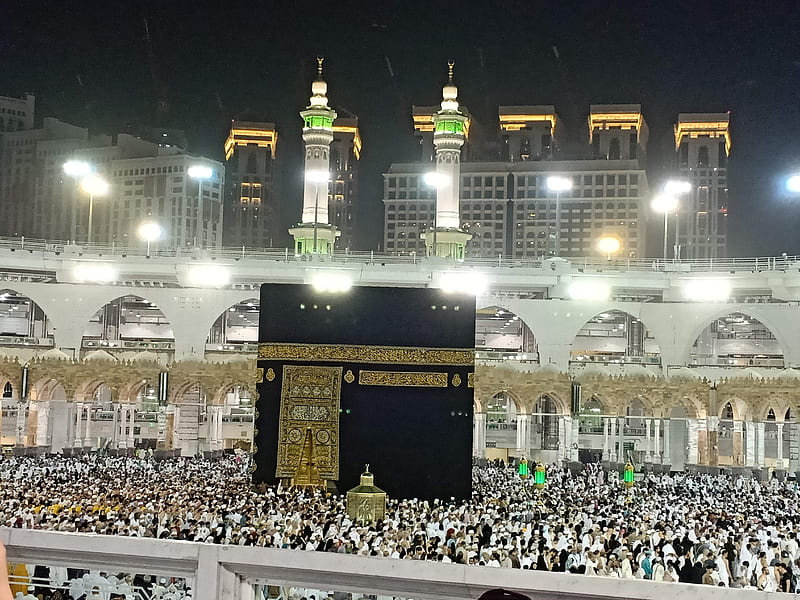

Performing Umrah during Ramadan is a spiritually rewarding journey, but it also comes with unique challenges—especially for elderly and disabled pilgrims. Long walks, crowded spaces, fasting, and night prayers can make the pilgrimage physically demanding. Selecting the right Ramadan Umrah package tailored for accessibility and comfort is crucial to ensure a smooth and fulfilling experience.
This article explores the essential considerations, practical tips, and micro- and macro-level planning needed to choose the ideal package for elderly and disabled pilgrims.
Understanding the Unique Challenges
Elderly and disabled pilgrims face specific obstacles during Ramadan Umrah:
- Mobility challenges: Long walking distances, stairs, and crowded areas can be exhausting.
- Fasting and energy management: Managing nutrition and hydration during fasting is critical.
- Health concerns: Age-related or chronic conditions require careful monitoring.
- Crowd navigation: Dense crowds in the Haram can be overwhelming.
Recognising these challenges is the first step toward selecting a package that prioritises comfort, safety, and accessibility
Why Customised Packages Are Essential
Standard Umrah packages are often designed for healthy, mobile pilgrims. Elderly or disabled pilgrims benefit from packages that:
- Offer proximity to Haram for reduced walking
- Include assisted transportation and mobility aids
- Provide health support and flexible schedules
- Facilitate accessibility during prayers and rituals
Custom packages remove logistical stress, allowing pilgrims to focus on worship and reflection.
Key Features to Look for in a Ramadan Umrah Package
1. Proximity Hotels and Accommodation
Hotels near Masjid al-Haram or Masjid an-Nabawi reduce physical strain. Packages designed for elderly or disabled pilgrims often include:
- Rooms within walking distance or with easy shuttle access
- Single-floor or elevator-accessible rooms
- Spacious, comfortable rooms to accommodate mobility aids
The closer the hotel to the Haram, the less energy is wasted navigating crowded streets.
2. Accessibility During Umrah Rituals
Performing Tawaf, Sa’i, and other rituals can be difficult for those with limited mobility. Packages that provide:
- Wheelchair rentals or support staff
- Guidance on less crowded access points
- Reserved areas for elderly or disabled pilgrims
These features ensure rituals can be completed safely and with dignity.
3. Health and Safety Support
Elderly or disabled pilgrims may need medical assistance or health monitoring during Ramadan Umrah. Top packages include:
- On-site medical support or easy access to clinics
- Emergency contacts and assistance 24/7
- Guidance on fasting and hydration strategies
Health-conscious planning reduces risk and increases peace of mind
4. Meal Planning for Energy Management
Maintaining energy is crucial during fasting. Look for packages that provide:
- Nutritious and balanced Iftar and Suhoor meals
- Flexible meal timings aligned with prayer schedules
- Special dietary options if needed
Proper nutrition ensures pilgrims remain active and healthy throughout the pilgrimage.
5. Transportation and Mobility Solutions
Long distances and crowd congestion require thoughtful transportation planning:
- Shuttle services between hotels and Haram during peak hours
- Accessible buses or vans for disabled pilgrims
- Minimised walking routes and planned breaks
Efficient transportation is essential for comfort and the timely completion of rituals.
Macro-Level Considerations
When choosing a package, consider the bigger picture:
- Timing: Early booking ensures better rooms and accessibility options during Ramadan.
- Group size: Smaller groups reduce crowd stress and allow better attention to individual needs.
- Travel duration: Avoid overly long packages to prevent fatigue.
- Package credibility: Choose agencies with experience in elderly or disabled pilgrim support.
Macro-level planning sets the foundation for a comfortable and safe Umrah journey.
Micro-Level Adjustments for Daily Comfort
Attention to small details improves the overall experience:
- Footwear and clothing: Lightweight, comfortable shoes and breathable clothing reduce fatigue.
- Mobility aids: Bring personal wheelchairs, walkers, or canes if needed.
- Medication and first aid: Carry essential medications, hydration supplies, and a basic first-aid kit.
- Rest and prayer schedules: Plan short breaks between rituals to maintain energy levels.
Micro-level planning ensures daily routines are manageable and safe.
Balancing Spiritual Focus with Physical Comfort
Elderly and disabled pilgrims often need to balance devotion with physical limitations. Tips include:
- Performing rituals during less crowded hours
- Taking guided breaks during Tawaf or Sa’i
- Using mobility aids discreetly to maintain focus and dignity
- Engaging in additional spiritual acts like dua, recitation, or meditation from rest areas
Packages that consider these factors allow pilgrims to maximise spiritual rewards without compromising health.
Family Support and Caregiving Considerations
Many elderly or disabled pilgrims travel with family. Choosing a package that accommodates caregivers is crucial:
- Family-friendly rooms or suites for support staff or family members
- Assistance with luggage and mobility during travel
- Guided support for group coordination to manage rituals efficiently
Family-inclusive packages ensure that pilgrims receive continuous support throughout their journey.
Special Considerations for Disabled Pilgrims
Disabled pilgrims may face additional challenges depending on their condition. Consider:
- Visual or hearing impairments: Packages with guides trained to assist with sensory limitations
- Limited mobility: Priority access points, elevators, and wheelchairs
- Chronic conditions: Packages that provide medical consultation and emergency readiness
Customizable options make Umrah accessible for all pilgrims, regardless of disability.
Tips for Maximising Comfort and Accessibility
- Plan: Book early to secure accessible rooms and services.
- Research packages: Confirm features like proximity, mobility support, and medical assistance.
- Engage with service providers: Communicate special needs clearly.
- Pace the journey: Avoid over-scheduling rituals; prioritise rest.
- Stay hydrated and nourished: Fasting requires careful planning for energy sustainability.
These strategies make Ramadan Umrah manageable, safe, and spiritually fulfilling.
Macro Impact: Why Proper Planning Matters
Choosing the right package has far-reaching effects:
- Spiritual fulfilment: Reduced stress allows focus on worship.
- Health preservation: Prevents fatigue, dehydration, or injury.
- Family peace of mind: Caregivers can relax knowing logistics are handled.
- Memorable experience: Comfort and accessibility enhance the overall pilgrimage journey.
Macro-level planning ensures the pilgrimage achieves its highest potential in spiritual and physical terms.
Conclusion: A Comfortable, Accessible, and Spiritually Rewarding Umrah
Ramadan Umrah is a transformative spiritual journey, but elderly and disabled pilgrims face unique challenges that require careful consideration. Choosing a package that prioritises comfort, accessibility, and health support is essential to ensure a safe and fulfilling experience.
From proximity hotels and mobility aids to meal planning, guided support, and health services, every aspect of the journey can be optimised to match individual needs. Micro-level planning and macro-level strategy together create a holistic pilgrimage experience where spiritual devotion and physical well-being coexist.
By investing time in selecting the right Ramadan Umrah package, elderly and disabled pilgrims—and their families—can fully immerse themselves in the blessings of Ramadan, performing rituals with focus, dignity, and peace of mind. The result is not just a successful pilgrimage but a memorable and life-enhancing spiritual journey.