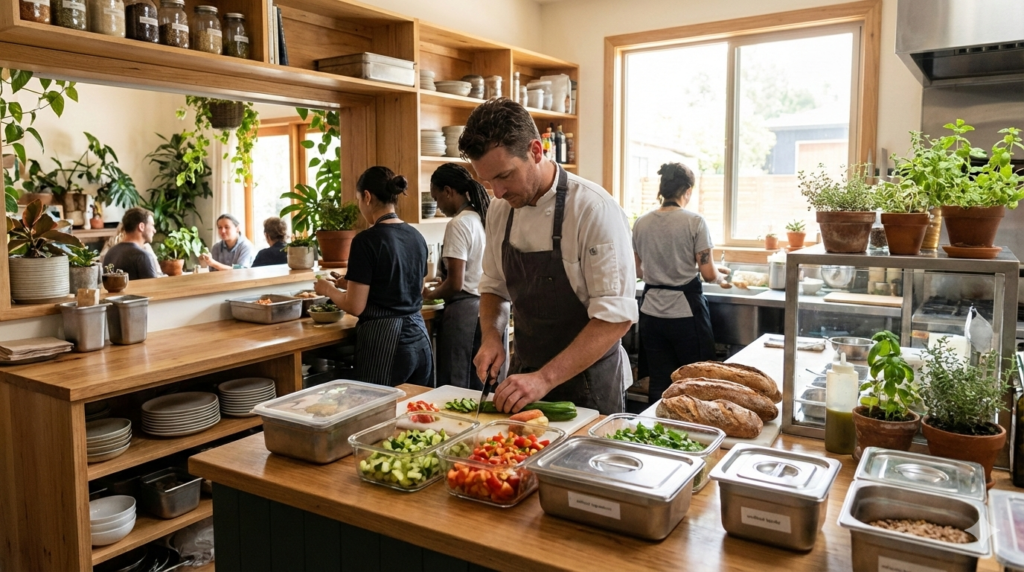

We’ve all been there, staring at a half-eaten plate of food we couldn’t finish, or watching a barista toss out the remnants of a milk jug. It’s a small moment, but it hints at a massive global issue. Food waste isn’t just about leftovers; it’s about the resources, energy, and water used to grow produce that never feeds anyone.
In the hospitality industry, this is a daily challenge. Cafés and restaurants are traditionally high-waste environments. From vegetable peels and coffee grounds to spoilage and missed meals, the volume can be staggering. However, the tide is turning. A new wave of conscious business owners is rethinking how they operate, proving that delicious food and environmental responsibility can work hand in hand.
Across the globe—and right here in Tasmania—venues are adopting smart strategies to minimize their footprint. It’s an exciting shift, and it’s changing the way we dine for the better.
The reality of food waste in hospitality
To understand the solution, we first need to look at the problem. Food waste in the hospitality sector generally falls into two categories: “back of house” (postage and preparation waste) and “front of house” (uneaten food left by customers).
Historically, the mindset was often “better to have too much than too little.” This led to over-ordering produce, oversized portions that no single person could finish, and extensive menus that required stocking hundreds of ingredients. The environmental cost is high, as decomposing food in landfills releases methane, a potent greenhouse gas. But beyond the environment, it simply doesn’t make business sense to throw money in the bin.
Smart menu planning and portion control
The most effective way to stop waste is to prevent it from happening in the first place. This starts with the menu. You might have noticed that many modern cafés are moving towards smaller, more focused menus. This isn’t laziness; it’s a strategic move to ensure turnover is high and ingredients stay fresh.
Chefs design dishes that share key ingredients. For instance, the roasted tomatoes used in a breakfast bruschetta might also feature in a lunchtime dish or a savoury tart. By cross-utilizing ingredients, kitchens reduce the risk of produce getting spoilage before use.
Portion control is another major factor. It’s not about being stingy; it’s about being realistic. Many venues now offer different portion sizes or side dishes as optional extras rather than automatic inclusions. This empowers the diner to order exactly what they want, leaving plates clean and bellies full without the guilt of leftovers.
Creative Cooking: Root-to-Stem and Nose-to-Tail
One of the most exciting trends in sustainable dining is the “root-to-stem” philosophy. This approach challenges chefs to use every part of a vegetable or fruit.
Broccoli stems, often discarded, can be peeled and sliced into slaw or blended into soups. Herb stems add flavour to stocks and oils. Citrus peels can be candied or used for garnishes and cleaning products. It requires creativity and skill, but the results are often more flavourful and interesting than standard preparation methods.
Similarly, meat-focused venues are embracing “nose-to-tail” cooking, using cuts otherwise be overlooked. This deep respect for ingredients is central to many culinary traditions. For example, a Halal restaurant in Hobart might utilize traditional slow-cooking techniques that make the most of various cuts of meat, ensuring nothing ends up to waste while delivering rich, complex flavours perfected over generations.
Supplier Partnerships and Buying Local
The journey through food begins long before it hits the kitchen bench. Sustainable cafés build stronger relationships with their suppliers. By communicating directly with farmers and growers, chefs can buy what is in abundance and avoid what is scarce.
This often means embracing “imperfect” produce. A slightly crooked carrot tastes just as sweet as a straight one, yet tons of these vegetables are rejected by major supermarkets every year. Cafés buy these “seconds,” turning them into soups, juices, and purees.
Sourced locally also reduces spoilage chances during transit. When ingredients only have to travel a few kilometres rather than across the ocean, they arrive fresher and last longer. It’s a win for the local economy and the environment.
Community Responsibility and Ethical Dining
Reducing waste is also about cultural values. In many cultures, wasting food is seen as deeply disrespectful to the effort into producing it. This ethos is entering modern café culture, creating a more mindful dining atmosphere.
It influences how businesses interact with their communities. Many cafés now partner with food rescue organizations to donate unsold but perfectly safe food to those in need. Others are setting up community compost hubs, allowing locals to drop off kitchen scraps to be turned into soil for community gardens.
This holistic approach is common in family-run businesses where community connection is paramount. A Pakistani restaurant in Hobart, for instance, operates with a hospitality mindset that extends beyond the table. It’s about feeding people well, treating resources with respect, and ensuring that the business contributes positively to the neighbourhood ecosystem.
How You Can Support Conscious Cafés
As customers, we hold power. Our choices dictate what businesses thrive on. Supporting venues that prioritize sustainability sends a clear message that it matters.
There are simple ways to help when dining out:
- Ask questions: Don’t be afraid to ask about portion sizes or ingredients.
- Bring your own: Bring a reusable cup for takeaway coffee or a container for leftovers.
- Order mindfully: Be realistic about how much you can eat. You can always order more if you are still hungry.
- Embrace the “Sold Out” sign: If a café runs out of a popular pastry by 2 pm, see it as a positive thing! It means they calculated their production perfectly to avoid waste.
The Future of Dining in Hobart
The movement toward zero-waste hospitality is gaining momentum. It’s no longer a niche concept for eco-warriors; it’s becoming the standard for quality dining. From innovative composting systems to chefs who see potential in potato peels, the industry is evolving.
By combining modern sustainability strategies with traditional values of respect for food, Hobart’s dining scene sets a fantastic example. Whether it’s a quick coffee or a long family dinner, every meal is an opportunity to support a system that values our planet just as much as the flavour.