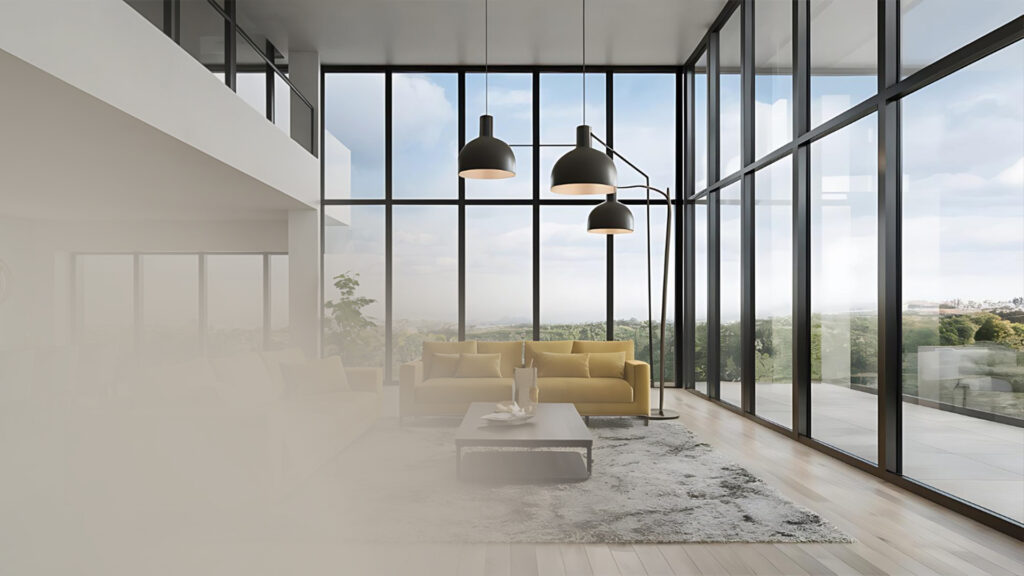

Keeping your home comfortable during hot summer months can be a real challenge. Rising temperatures often force homeowners to rely heavily on air conditioning, which drives up energy bills. One effective solution that many homeowners overlook is solar film for home. This innovative window treatment can drastically reduce heat entering your home while maintaining natural light, offering a balance between comfort and energy efficiency. In this blog, we will explore how solar film works, its benefits, and why it has become an essential addition to modern homes.
Understanding Solar Film
Solar film is a thin, transparent or tinted material that can be applied directly to the interior surface of windows. Its primary function is to reduce the amount of solar heat and ultraviolet (UV) rays that enter your home. Unlike heavy curtains or blinds, solar film allows natural light to pass through while blocking heat, creating a cooler and more pleasant indoor environment. By doing so, it not only enhances comfort but also protects furniture, flooring, and artwork from fading caused by UV exposure.
The technology behind solar film is designed to reflect and absorb a significant portion of solar energy. High-quality films often contain a combination of reflective metals and UV-blocking agents. This combination ensures that while sunlight brightens your rooms, it does not result in excessive heat buildup. The result is a more stable indoor temperature and less reliance on air conditioning systems.
Benefits of Installing Solar Film
1. Reduced Energy Bills
One of the most significant advantages of using solar film is its impact on energy efficiency. By preventing heat from entering your home, solar film reduces the demand on air conditioning systems. Less energy consumption directly translates to lower electricity bills. In fact, studies have shown that homes equipped with effective solar films can save between 10% to 30% on cooling costs depending on the climate and window exposure.
2. Enhanced Comfort
Hot spots near windows can make certain areas of your home uncomfortable, especially during peak sunlight hours. Solar film helps create an even temperature throughout your living space. Whether you are in the living room, kitchen, or bedroom, you can enjoy consistent comfort without the constant battle of adjusting blinds or air conditioners.
3. Protection Against UV Damage
UV rays from the sun are not only harmful to your skin but also damaging to your interiors. Wooden furniture can warp, fabrics can fade, and artwork can lose their vibrancy over time. Solar films block up to 99% of harmful UV rays, preserving the beauty and longevity of your home furnishings.
4. Improved Privacy
Many solar films come with a reflective or tinted surface that provides privacy without sacrificing natural light. During the daytime, your windows can remain transparent from the inside while appearing mirrored or opaque from the outside. This makes solar film an excellent choice for homes located in busy neighborhoods or near streets.
5. Environmentally Friendly
Reducing energy consumption is not just beneficial for your wallet but also for the environment. By lowering the load on air conditioning systems, you decrease your home’s carbon footprint. Solar film contributes to a greener lifestyle while keeping your home comfortable.
Types of Solar Film
Solar films come in a variety of types, each with unique features suited for different needs. Understanding the differences can help you choose the most effective solution for your home.
1. Reflective Solar Film
Reflective films have a metallic coating that bounces heat away from your windows. These films are highly effective at reducing glare and heat but may slightly alter the appearance of your windows with a mirrored effect. Reflective solar films are ideal for homes with large windows that receive direct sunlight.
2. Tint Solar Film
Tinted solar films use colored pigments to absorb heat. They are available in various shades, allowing homeowners to customize the level of tint and aesthetic appeal. These films are effective in heat reduction and also enhance privacy, making them popular for urban homes.
3. Dual-Reflective Film
Dual-reflective films combine the benefits of reflective and tint films. The exterior surface reflects sunlight outward, while the interior surface absorbs remaining heat. This type of film is particularly effective in controlling heat without compromising natural light or window aesthetics.
4. Safety and Security Film
In addition to reducing heat, some solar films are designed to reinforce window glass. These films hold shattered glass together in the event of breakage, offering protection against accidents, break-ins, and extreme weather. This feature makes solar film a versatile investment for safety-conscious homeowners.
Heat Rejection Film for Home
A specific category of solar films is heat rejection film for home, designed primarily to block heat from sunlight. While all solar films reduce heat to some extent, heat rejection films are engineered with advanced materials to maximize cooling efficiency. These films reflect infrared radiation, the main contributor to heat buildup, preventing it from entering your home.
Heat rejection films are especially useful for homes in hot climates or those with large south-facing windows. By installing these films, homeowners can reduce the need for air conditioning and enjoy a cooler living space throughout the year. Unlike traditional blinds or shades, heat rejection films work without blocking your view, allowing natural light to illuminate your interiors.
Installation Considerations
Installing solar film is a relatively straightforward process, but proper installation is crucial to ensure maximum effectiveness. While some homeowners may attempt a DIY approach, professional installation is recommended to avoid bubbles, wrinkles, or peeling. Professionals can also provide guidance on choosing the right type of film based on window size, orientation, and your specific cooling needs.
Solar films are suitable for both new constructions and existing homes. They are compatible with glass of various thicknesses and can be removed or replaced without causing permanent damage. This flexibility makes them a convenient and cost-effective solution for homeowners seeking long-term comfort and energy savings.
Maintaining Your Solar Film
Maintaining solar film is simple and requires minimal effort. Regular cleaning with a soft cloth and mild detergent ensures that the film remains clear and effective. Avoid using abrasive materials or harsh chemicals that may scratch or damage the surface. With proper care, solar films can last for many years, providing consistent benefits without frequent replacements.
Cost vs. Benefit
The initial cost of solar film may vary depending on the type, quality, and size of windows. However, the long-term savings on energy bills, combined with increased comfort and protection for your interiors, often outweigh the upfront expense. In addition, many homeowners find that the improved privacy and aesthetic enhancement provided by solar films add intangible value to their homes. Considering both financial and lifestyle benefits, solar film is a practical investment for energy-conscious homeowners.
Common Myths About Solar Film
Despite its advantages, some homeowners hesitate to install solar film due to misconceptions. Let’s address a few common myths:
- Myth 1: Solar film blocks all sunlight. Solar film reduces heat but still allows natural light to enter, maintaining a bright and inviting atmosphere.
- Myth 2: Solar film is only for hot climates. While it is especially beneficial in hot regions, solar film also provides UV protection and energy efficiency in cooler climates.
- Myth 3: Solar film damages windows. High-quality films are designed to be safe for glass surfaces and can be removed or replaced without leaving residue.
- Myth 4: Installing solar film is complicated. Professional installation is quick, efficient, and ensures the film performs optimally.
Choosing the Right Solar Film
When selecting solar film, consider the following factors:
- Window orientation: South-facing windows receive the most sunlight and may require stronger heat rejection films.
- Home design: Large, open spaces benefit more from solar films due to increased exposure to sunlight.
- Budget: While premium films offer higher efficiency, standard films still provide significant benefits at a lower cost.
- Desired features: Decide whether you want reflective, tinted, dual-reflective, or security-enhancing films based on your priorities.
Consulting with a professional installer can help you make an informed decision that balances performance, aesthetics, and cost.
Final Thought
Investing in solar film for home and heat rejection film for home is a smart choice for homeowners looking to improve comfort, save on energy bills, and protect their interiors. These films are a practical, eco-friendly, and aesthetically pleasing solution that enhances the overall living experience. With proper selection, installation, and maintenance, solar film can significantly reduce heat, maintain natural light, and contribute to a more energy-efficient home. Whether you live in a hot climate or simply want to enhance your home’s energy performance, solar film is a versatile addition that delivers long-term benefits. By embracing this technology, you can enjoy a cooler, more comfortable, and energy-efficient home throughout the year.