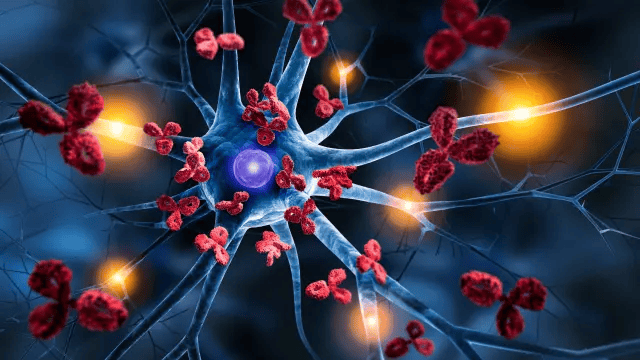

The development of biopharmaceuticals relies heavily on evaluating drug candidates for safety and effectiveness. Central to this process are cell toxicity assays, which assess the potential harmful effects of substances on living cells by measuring cell damage or death. Identifying toxic compounds early enables researchers to concentrate on promising candidates while avoiding those with adverse effects. This early toxicity screening is crucial for reducing the risk of costly failures later in development.
What is a Cell Toxicity Assay?
A Cell Toxicity Assay is an analytical procedure that measures the adverse effects of chemical compounds or biological agents on living cells. In biopharmaceutical development, these assays are used to screen drug candidates for their potential to induce cell death or impair cellular function. The primary goal is to establish an in vitro safety profile before a drug proceeds to preclinical and clinical trials, helping to predict potential adverse effects in vivo.
Importance for Safety and Efficacy
The safety and efficacy of a drug are inextricably linked. A drug that is highly effective against a target disease but causes severe damage to healthy cells is unlikely to be a viable therapeutic option. Cell cytotoxicity assays provide early data on the therapeutic window – the dosage range where the drug is effective without being toxic.
These assays are essential for:
- Early Detection: Identifying toxic compounds before they reach expensive preclinical or clinical stages.
- Dose Optimization: Helping to determine appropriate starting doses for subsequent studies.
- Mechanism of Action: Providing clues about how a drug interacts with cellular components.
Principles of Cell Toxicity Assays
Cell toxicity assays function by detecting changes in cell health – such as altered membrane integrity, metabolic activity, or cell proliferation – after exposure to a test compound. When a toxic agent interacts with a cell, the assay utilizes specific markers or dyes to detect the cellular response. For example, compromised cell membranes may lead to the leakage of intracellular enzymes or the entry of normally excluded dyes.
Mechanisms of Action
Different assays target specific indicators of cell health, and the choice of assay depends on the research question and cell type.
- Membrane Integrity: These assays detect membrane damage by measuring leakage of intracellular components (e.g., lactate dehydrogenase) or the uptake of dyes (e.g., trypan blue).
- Metabolic Activity: Assays such as MTT or MTS measure mitochondrial enzyme activity; a decrease indicates cellular stress or death.
- Cell Proliferation: These assays track DNA synthesis or total protein content to measure the effect of cytostatic agents that inhibit cell division.
Must Read: Sample Preparation for Reliable Cytokine Assays
Applications of Cell Toxicity Assays in Biopharmaceutical Development
Cell toxicity assays are utilized throughout the drug development pipeline, from initial discovery to final regulatory submission.
Preclinical Development
In the preclinical phase, high-throughput cytotoxicity screening is used to test thousands of compounds. This process filters out agents with high toxicity profiles, leaving only the most promising candidates for further study.
- Lead Optimization: During this stage, chemists modify the structure of a lead compound to improve its properties. Toxicity assays provide immediate feedback on whether these modifications have increased or decreased safety.
- In Vitro to In Vivo Extrapolation: Data from cell-based assays help researchers predict how the drug might behave in animal models, guiding dose selection and study design.
Clinical Development
While cell assays are primarily preclinical tools, they remain relevant during clinical trials.
- Patient Stratification: In some cases, patient-derived cells can be tested against a drug to predict individual responses or susceptibility to toxicity.
- Mechanistic Toxicology: If unexpected adverse events occur during a trial, researchers may return to in vitro assays to investigate the underlying cellular mechanism of the observed toxicity.
Regulatory Considerations and GLP Compliance
Regulatory bodies such as the FDA and EMA have stringent requirements for safety testing, making Bioanalytical Lab Services critical. Data submitted for Investigational New Drug (IND) applications must be robust and reliable.
GLP Bioanalysis and Lab Practices
Good Laboratory Practice (GLP) is a quality system that governs the planning, performance, monitoring, and reporting of non-clinical studies. It ensures that data is reliable through:
- Standardization: Adherence to standard operating procedures (SOPs).
- Traceability: Comprehensive documentation of all assay steps.
- Data Integrity: Generation of accurate, reliable, and reproducible data.
Partnering with a GLP-compliant lab is crucial for successful regulatory submissions.
Future Trends and Innovations
The field of toxicology is advancing with new technologies improving accuracy and efficiency:
- 3D Cell Culture: Spheroids and organoids mimic tissue environments better than traditional 2D cultures.
- High-Content Screening (HCS): Automated microscopy measures multiple toxicity parameters in single cells.
- Stem Cell-Derived Models: iPSCs generate human-relevant models, such as cardiomyocytes, for organ-specific toxicity testing.
These innovations enhance human safety predictions, reduce animal testing, and speed up development.
Conclusion
Cell toxicity assays are crucial in biopharma, assessing safety through membrane integrity, metabolism, and cell death. Advanced techniques and GLP standards ensure reliable data, while innovations such as 3D culture and high-content screening improve the detection of toxicity for safer therapies.