
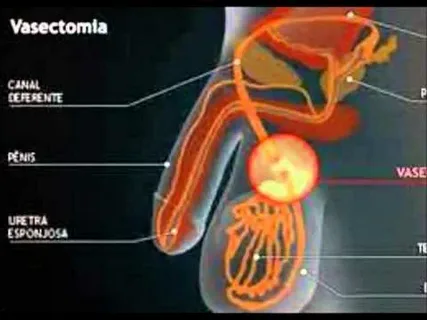

No scalpel vasectomy (NSV) has emerged as a preferred method for male sterilization due to its minimally invasive approach, lower complication rates, and faster recovery compared to conventional vasectomy techniques. One of the critical factors influencing patient outcomes after NSV is the method of wound closure. Accelerated wound closure strategies have garnered attention as they can significantly reduce post-operative discomfort, minimize infection risk, and expedite the return to normal activities. This article delves into the principles, techniques, benefits, and emerging trends in accelerated wound closure following NSV.
Understanding No Scalpel Vasectomy
NSV differs from traditional vasectomy primarily in its method of accessing the vas deferens. Instead of making two separate incisions, NSV involves a single small puncture, typically 2–3 mm in size, through which the vas deferens is delivered, occluded, and returned to the scrotum. This approach minimizes tissue trauma, reduces bleeding and bruising, and allows for faster healing.
The limited tissue disruption of NSV makes it an ideal candidate for advanced wound closure techniques. Surgeons can take advantage of the small incision to implement methods that not only approximate the skin edges effectively but also optimize the healing environment at the cellular level.
Principles of Accelerated Wound Closure
Accelerated wound closure focuses on optimizing the body’s natural healing processes to minimize the duration of open tissue exposure. Key principles include:
- Minimizing Tissue Tension: Ensuring that wound edges are approximated without undue stretching prevents ischemia and reduces scar formation.
- Preserving Blood Supply: Gentle handling of tissue and minimizing cauterization preserves capillary perfusion, which is crucial for rapid epithelialization.
- Reducing Infection Risk: Atraumatic techniques and proper aseptic protocols decrease bacterial contamination, which accelerates healing.
- Optimizing Closure Materials: Using absorbable sutures, tissue adhesives, or advanced closure devices can reduce foreign body reaction and improve recovery times.
These principles guide the choice of closure techniques in NSV, which can significantly influence post-operative outcomes.
Techniques for Accelerated Wound Closure in NSV
Several techniques have been developed to promote faster and more efficient wound healing following no scalpel vasectomy
1. Absorbable Sutures
Absorbable sutures, such as polyglycolic acid or polydioxanone, provide temporary support while allowing the tissue to heal naturally. They eliminate the need for suture removal, reducing follow-up visits and patient discomfort. When applied using interrupted or subcuticular techniques, absorbable sutures can enhance cosmetic outcomes and reduce the risk of dehiscence.
2. Tissue Adhesives
Medical-grade cyanoacrylate adhesives have gained popularity as an adjunct or alternative to sutures in NSV. These adhesives seal the small puncture site, provide a protective barrier against infection, and allow for rapid epithelialization. Additionally, tissue adhesives are painless to apply, minimizing patient anxiety and post-operative pain.
3. Subcuticular Closure
For patients who prefer suture-based closure but want rapid recovery, subcuticular techniques are ideal. This method involves placing sutures beneath the skin surface, which keeps the incision edges in close approximation without leaving visible marks. Subcuticular closure combined with absorbable materials can significantly accelerate wound healing.
4. Minimal Hemostatic Interventions
Excessive cauterization or ligation during NSV can compromise local blood flow, slowing wound healing. Surgeons practicing accelerated closure prioritize gentle hemostasis, using techniques such as microclips or low-energy cautery only when necessary. This approach preserves the vascular network around the puncture site, enhancing tissue repair.
Post-Operative Care for Accelerated Healing
Even with optimized closure techniques, post-operative care plays a critical role in ensuring rapid and complication-free healing. Key strategies include:
- Cold Compresses: Applying ice packs for the first 24–48 hours reduces swelling and discomfort.
- Scrotal Support: Wearing supportive underwear or a jockstrap minimizes movement and tension on the wound.
- Hygiene Measures: Keeping the site clean and dry prevents infection and promotes faster epithelialization.
- Activity Modification: Patients are advised to avoid strenuous activity for 3–5 days, which allows the tissues to stabilize.
- Topical Healing Agents: In some cases, topical antiseptics or healing-promoting gels may be used to accelerate re-epithelialization and reduce inflammation.
Benefits of Accelerated Wound Closure in NSV
Accelerated wound closure offers several clinical and patient-centered benefits:
- Reduced Recovery Time: Patients can return to daily activities sooner, including work and light exercise.
- Lower Risk of Complications: Faster closure reduces the likelihood of hematoma formation, infection, or wound dehiscence.
- Improved Cosmetic Outcomes: Minimizing scarring enhances patient satisfaction, which is particularly important for procedures with visible genital components.
- Enhanced Patient Comfort: Less manipulation and reduced tension during closure decrease post-operative pain and swelling.
These advantages make accelerated wound closure a desirable goal for urologists performing NSV, particularly for patients with higher activity demands or those seeking a minimal downtime procedure.
Emerging Trends and Technologies
Recent innovations are further improving the efficiency of wound closure in NSV:
- Smart Sutures: Sutures embedded with antimicrobial or growth factor-releasing properties accelerate healing while preventing infection.
- Ultrasound-Guided Closure: Real-time imaging allows precise approximation of tissue layers, reducing the risk of hematoma and optimizing vascular supply.
- Laser-Assisted Closure: Low-level laser therapy can stimulate cellular activity at the incision site, enhancing collagen deposition and reducing healing time.
- Wearable Healing Monitors: Some devices track temperature, moisture, and wound integrity to alert patients or providers of early complications, allowing timely intervention.
These technologies represent the next frontier in NSV, aligning with the broader trend of minimally invasive and patient-centered care.
Clinical Evidence Supporting Accelerated Closure
Several studies have highlighted the benefits of accelerated closure techniques in NSV. Research indicates that absorbable sutures and tissue adhesives result in faster epithelialization, lower post-operative pain scores, and fewer follow-up visits. Comparisons between traditional suture methods and accelerated closure strategies show a measurable improvement in patient-reported outcomes, particularly regarding comfort and time to normal activity.
Moreover, studies assessing laser-assisted and ultrasound-guided closure techniques have shown promising results in reducing hematoma formation and accelerating the overall recovery timeline. These findings underscore the importance of combining meticulous surgical technique with modern closure strategies to optimize patient outcomes.
Conclusion
No scalpel vasectomy, when combined with accelerated wound closure techniques, represents a paradigm shift in male sterilization procedures. By emphasizing minimal tissue trauma, precise wound approximation, and innovative closure strategies, urologists can achieve faster healing, reduced complications, and enhanced patient satisfaction. As technology advances, the integration of smart sutures, imaging guidance, and wearable monitoring will continue to refine these outcomes, solidifying NSV with accelerated closure as the gold standard in male reproductive health.
FAQs
- How soon can I return to work after a no scalpel vasectomy with accelerated wound closure?
Most patients can return to desk work within 24–48 hours and light physical activity within 3–5 days. Accelerated wound closure reduces downtime compared to traditional methods, but strenuous activity should still be avoided for at least a week. - Are there additional risks associated with accelerated wound closure techniques?
Accelerated closure techniques, such as absorbable sutures or tissue adhesives, are generally safe. Risks remain minimal but include rare allergic reactions to adhesives or temporary discomfort at the puncture site. Proper surgical technique and post-operative care mitigate most complications. - Does accelerated wound closure affect fertility outcomes?
No, the method of wound closure does not impact the effectiveness of the vasectomy itself. Fertility is prevented by occluding the vas deferens, and accelerated closure only improves healing, comfort, and cosmetic outcomes.

