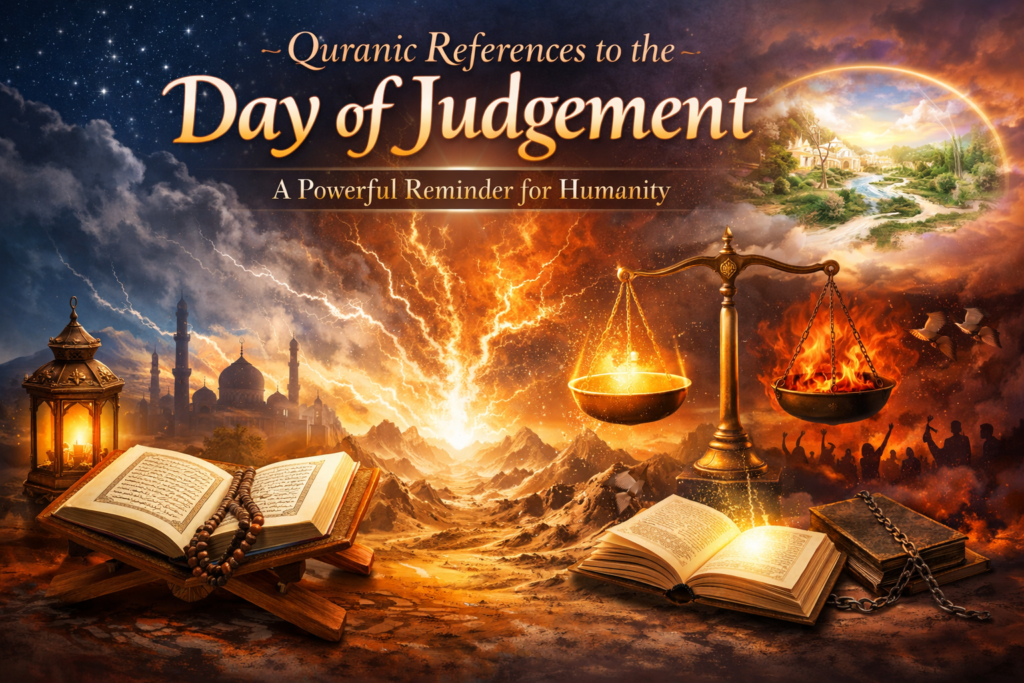

The Day of Judgement, known in Islam as Yawm al-Qiyamah, is one of the most frequently mentioned and emphasized themes in the Holy Quran. It is a day that defines the ultimate purpose of human life, reminding every soul that this world is temporary and accountability is inevitable. The Quran does not describe the Day of Judgement merely as a future event, but as a reality that shapes faith, behavior, morality, and responsibility in daily life.
In today’s fast-paced digital age, many Muslims are turning to online Quran classes and Quran courses online to better understand these profound Quranic teachings. Whether through structured learning, translation, or tajweed-focused programs, learning about the Day of Judgement strengthens belief and reconnects hearts with divine guidance.
The Importance of the Day of Judgement in the Quran
The Quran repeatedly draws attention to the Day of Judgement to awaken human conscience. Allah reminds mankind that every action, whether small or great, will be accounted for:
“So whoever does an atom’s weight of good will see it, and whoever does an atom’s weight of evil will see it.”
— Surah Az-Zalzalah (99:7–8)
This verse highlights absolute justice. Nothing escapes Allah’s knowledge, making the belief in the Day of Judgement central to Islamic faith (Aqidah). Many students who enroll in quran translation classes often mention that understanding such verses deeply transforms how they view life, responsibility, and ethics.
Quranic Names for the Day of Judgement
The Quran uses multiple names for the Day of Judgement, each describing a different aspect of that momentous day:
-
Yawm al-Qiyamah – The Day of Resurrection
-
Yawm al-Hisab – The Day of Accountability
-
As-Sa’ah – The Hour
-
Al-Haqqah – The Inevitable Reality
-
At-Tammah al-Kubra – The Great Overwhelming Event
Each name emphasizes fear, justice, awakening, or finality. Learning these names through online Quran academy programs helps students grasp the multidimensional nature of the afterlife.
Major Events Described in the Quran
Destruction of the Universe
The Quran vividly describes the collapse of the universe as the Day of Judgement begins:
“When the sky is split open, and the stars are scattered, and the seas are burst forth…”
— Surah Al-Infitar (82:1–3)
Mountains will crumble, oceans will overflow, and the natural order will collapse. These descriptions serve as a reminder that the world we rely on is fragile and temporary.
Resurrection of the Dead
One of the core beliefs emphasized in the Quran is resurrection:
“Does man think that We will not assemble his bones? Yes, We are able to put together his fingertips.”
— Surah Al-Qiyamah (75:3–4)
Allah assures humanity that resurrection is not only possible but inevitable. This concept is often explained in detail in Quran memorization classes, where students reflect deeply on verses related to life after death.
Accountability and the Book of Deeds
On the Day of Judgement, every individual will receive a record of their deeds:
“And the Book will be placed, and you will see the criminals fearful of that which is in it…”
— Surah Al-Kahf (18:49)
Those who receive their book in their right hand will rejoice, while those who receive it in their left hand will regret their actions. This powerful imagery motivates believers to live righteously.
Through Learn Quran with Tajweed online programs, students not only recite these verses correctly but also reflect on their meaning, making recitation a transformative spiritual experience.
Paradise and Hellfire in the Quran
The Quran balances fear with hope by describing both Paradise (Jannah) and Hellfire (Jahannam).
Description of Paradise
“Gardens beneath which rivers flow, where they will abide forever…”
— Surah At-Tawbah (9:72)
Paradise is portrayed as a place of eternal peace, comfort, and divine pleasure.
Description of Hellfire
“Indeed, Hell has been lying in wait.”
— Surah An-Naba (78:21)
Hellfire serves as a warning against arrogance, disbelief, and injustice. These descriptions are often discussed in quran courses online, helping learners understand reward and punishment in a balanced way.
Moral Lessons from Quranic References
The Quran does not mention the Day of Judgement to create fear alone. Its purpose is moral reform. Belief in accountability encourages:
-
Honesty in dealings
-
Kindness to others
-
Patience in hardship
-
Avoidance of sin
-
Consistency in worship
Parents enrolling their children in online Quran classes for kids often notice positive behavioral changes. Learning about accountability from an early age builds strong moral foundations.
Teaching the Day of Judgement to Children
Teaching children about the Day of Judgement should be done with wisdom, balance, and age-appropriate language. Programs like online Quran classes for kids in USA focus on:
-
Simple explanations of accountability
-
Stories from the Quran
-
Emphasis on Allah’s mercy
-
Encouragement of good deeds
Such structured learning helps children develop faith without fear or confusion.
Role of Tajweed and Proper Recitation
Correct recitation enhances understanding and respect for the Quran. Online Tajweed Classes help students recite verses related to the Day of Judgement with accuracy and beauty. Tajweed ensures that meanings are preserved and hearts remain connected to the divine message.
Learning the Quran in the Modern World
With global access to technology, Muslims worldwide can now study the Quran conveniently. Whether you are living in North America or elsewhere, online Quran classes in USA offer flexible schedules, qualified teachers, and one-on-one sessions.
Institutions offering quran courses online often include:
-
Quran recitation with Tajweed
-
Quran translation classes
-
Tafseer sessions
-
Quran memorization classes
These programs make it easier for busy individuals and families to stay connected with their faith.
The Day of Judgement as a Daily Reminder
The Quran encourages believers to live every day with the awareness that they will return to Allah. This awareness creates humility, gratitude, and mindfulness.
“O mankind, fear your Lord. Indeed, the earthquake of the Hour is a terrible thing.”
— Surah Al-Hajj (22:1)
Such verses urge believers to prepare spiritually, morally, and emotionally for the ultimate meeting with their Creator.
Conclusion
The Quranic references to the Day of Judgement are not distant warnings but living reminders meant to guide humanity toward truth, justice, and righteousness. By understanding these verses through authentic learning platforms like online Quran academy, believers can deepen their faith and align their lives with divine purpose.
In a world full of distractions, reconnecting with the Quran through online Quran classes allows individuals and families to rediscover accountability, hope, and spiritual clarity.