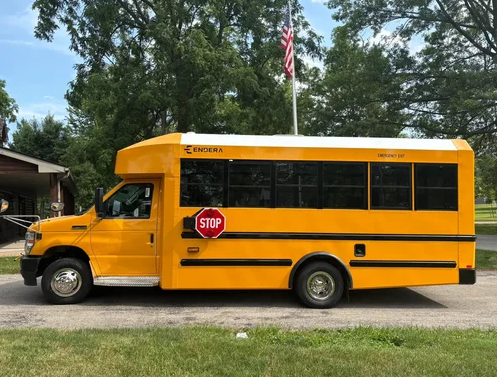

Across the United States, school districts are rethinking how to make student transportation safer, cleaner, and more cost-effective. One solution leading this transformation is the rise of electric school buses. These vehicles are not only redefining efficiency and performance but also serving as a cornerstone for sustainable community initiatives. Electric school buses combine the three key elements that modern districts are prioritizing—safety, savings, and sustainability—making them an increasingly smart investment for the future.
A Safer Ride for Every Student
When it comes to school transportation, safety remains the top priority. Electric school buses enhance student safety in several key ways.
First, they produce zero tailpipe emissions, eliminating exposure to diesel exhaust—an irritant linked to asthma, allergies, and other respiratory issues, especially among children. By replacing diesel fleets with electric alternatives, schools can drastically reduce students’ exposure to harmful pollutants, improving overall air quality both inside and around school buses.
Second, electric buses offer a quieter and smoother ride. The absence of engine noise helps drivers stay more alert and allows students to hear important safety instructions more clearly. Additionally, advanced design features such as regenerative braking, automatic stop systems, and enhanced stability controls help reduce accident risks during busy routes. For many districts, the switch to electric buses isn’t just a technological upgrade—it’s a direct investment in student health and safety.
Lower Operational Costs and Long-Term Savings
One of the most compelling reasons districts are turning to electric school buses is the potential for substantial cost savings. While the initial purchase price of an electric bus can be higher than that of a diesel model, the long-term financial benefits far outweigh the upfront costs.
Electric buses require far less maintenance—no oil changes, fewer moving parts, and reduced wear and tear on braking systems thanks to regenerative technology. Over time, this translates to lower service costs and less downtime for repairs.
Moreover, the price of electricity is typically more stable and affordable than diesel fuel. Many districts also partner with utility companies to implement smart charging strategies, taking advantage of off-peak electricity rates to further reduce operational expenses.
Government incentives, rebates, and grants at the federal and state levels are also helping offset purchase costs. Programs such as the EPA’s Clean School Bus Program provide millions in funding to accelerate the transition to electric fleets, allowing districts to modernize without straining budgets.
Sustainability and Environmental Impact
Shuttle bus electric play a crucial role in promoting sustainability and reducing carbon emissions. Every diesel bus replaced with an electric one removes an estimated 23 tons of greenhouse gas emissions per year. This shift not only supports local air quality improvements but also contributes to broader climate goals at the state and national levels.
Because most school bus routes are relatively short and predictable, electric buses are ideally suited for these patterns. They can complete daily routes on a single charge, recharge overnight, and return to service with minimal downtime. When powered by renewable energy sources such as solar or wind, their environmental benefits multiply, creating a near-zero-emission transportation solution.
Overcoming Challenges to Adoption
While the benefits are clear, the transition to electric school buses isn’t without challenges. Charging infrastructure, route planning, and grid capacity must be carefully managed. However, technology and logistics solutions are rapidly evolving. Many manufacturers now offer turnkey fleet solutions that include installation of charging systems, route analysis software, and ongoing technical support.
The Road Ahead
The movement toward electric vehicle bus is more than a passing trend—it’s a nationwide shift toward smarter, safer, and more sustainable public transportation. As policymakers, educators, and communities embrace this change, students reap the benefits of cleaner air, quieter rides, and a healthier future.
Electric school buses represent the intersection of technology, education, and environmental stewardship. By investing in these vehicles today, school districts are not just improving transportation—they are shaping a legacy of safety, savings, and sustainability for generations to come.