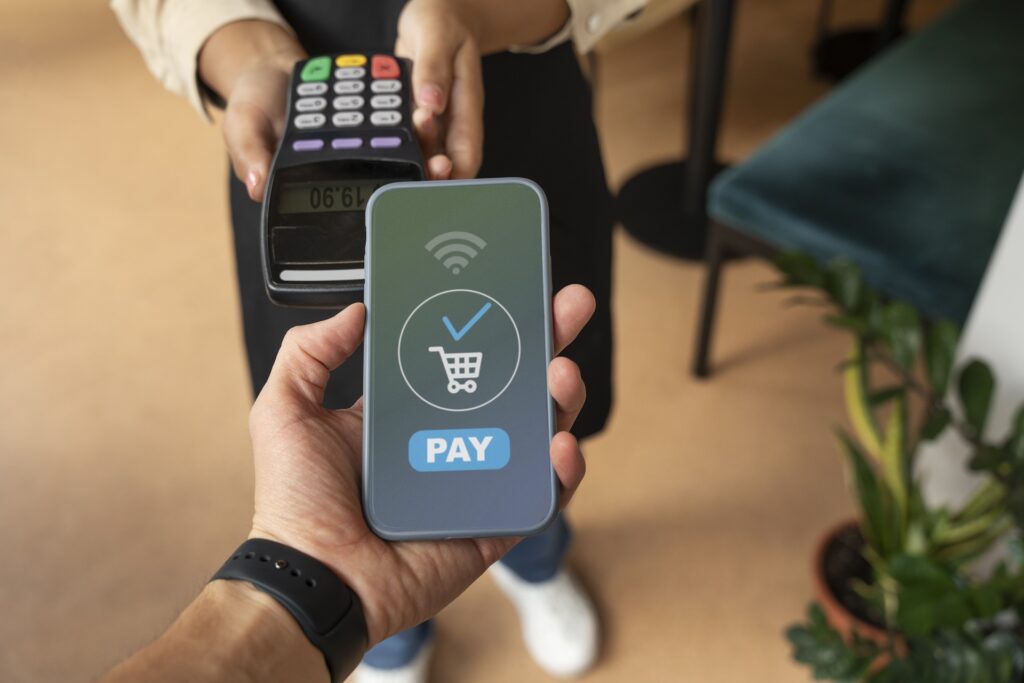

Buy-Now-Pay-Later (BNPL) has transformed the way consumers interact with digital commerce. Modern payment apps incorporating BNPL solutions offer users flexible installment options, bridging the gap between instant gratification and financial convenience. BNPL app development is not just about integrating a payment method; it’s about creating a secure, scalable, and seamless platform that enhances user experience while adhering to stringent financial regulations.
Developers aiming to craft a robust BNPL solution must focus on building secure infrastructure, integrating compliance protocols, and offering intuitive interfaces. The end goal is a trusted financial app where users can confidently manage installment payments without friction. Additionally, with rising consumer interest in apps like Klarna, developers are increasingly exploring features such as instant credit checks, push notifications for installment reminders, and dynamic repayment schedules to enhance usability.
Key Components of Secure BNPL App Development
Creating a BNPL app requires a comprehensive approach that balances functionality, security, and compliance. Here are the essential components:
- User Authentication & Verification
Every BNPL app must incorporate advanced authentication mechanisms, including biometric login, two-factor authentication (2FA), and robust KYC processes. This ensures that user identity is verified before access to credit services. - Secure Payment Gateway Integration
Integrating reliable payment gateways is critical for processing transactions securely. Using encryption protocols like TLS ensures that sensitive financial data remains protected throughout the transaction lifecycle. - Credit Assessment and Risk Management
BNPL apps require a risk scoring system to determine a user’s eligibility for installment plans. Incorporating machine learning algorithms can help in predicting repayment behavior, reducing defaults, and providing dynamic credit limits. - Regulatory Compliance
Financial regulations vary by region, so BNPL apps must comply with local and international laws, including GDPR for data privacy, PSD2 for payment security, and other financial authority mandates. - User-Centric Design
The interface should be intuitive, guiding users seamlessly through purchase, installment selection, and repayment processes. Features like visual progress bars for installment payments or push reminders improve engagement and trust.
Technical Architecture for a BNPL App
Developing a BNPL app involves combining multiple technical layers to ensure smooth operations and high security:
- Backend Infrastructure: Microservices architecture can handle high transaction volumes efficiently. Scalable servers and cloud-based solutions help manage peak loads and ensure availability.
- Data Security Layer: Encryption at rest and in transit, secure APIs, and regular penetration testing prevent breaches. Storing sensitive data securely is essential to maintain user trust.
- Payment Processing Module: Integration with multiple payment providers allows flexibility. Automatic reconciliation and settlement systems reduce errors and improve operational efficiency.
- Analytics & Insights: Real-time dashboards enable monitoring of user behavior, repayment patterns, and app performance. Predictive analytics help optimize credit policies and personalize offers.
Why Businesses Need Customized BNPL Solutions
Not all BNPL apps are created equal. Businesses seeking a competitive edge may opt for customized on-demand app development services that tailor every feature to their audience’s needs. Custom BNPL solutions allow:
- Flexible repayment plans suited to specific demographics
- Integration with loyalty programs or rewards systems
- Enhanced branding opportunities and app aesthetics
- Direct control over data insights and credit policies
A generic BNPL app may work, but a customized solution drives higher engagement and trust.
Advantages of BNPL Apps Like Klarna
Apps like Klarna have set benchmarks for BNPL services. They combine convenience with a seamless user interface, allowing shoppers to split payments without additional friction. Key takeaways for developers:
- Simplified onboarding to reduce user drop-offs
- Transparent repayment schedules to improve trust
- Notifications for upcoming installments to reduce defaults
- Advanced analytics for merchants to enhance targeting
Implementing similar features in your BNPL app development ensures competitive parity while offering a personalized user experience.
Full-Cycle Mobile App Development Services for BNPL Apps
To ensure a BNPL app’s success, businesses often rely on full-cycle mobile app development services that cover the entire process from ideation to post-launch support. This includes:
- Requirement Analysis & Feasibility Study: Understanding business needs and regulatory constraints
- UI/UX Design: Crafting interfaces that are visually appealing and intuitive
- App Development: Backend and frontend coding with a focus on security and performance
- Testing & Quality Assurance: Conducting stress tests, usability tests, and security audits
- Deployment & Maintenance: Continuous updates and bug fixes to ensure smooth operation
This comprehensive approach minimizes risk and ensures the app is well-equipped to handle the complexities of financial transactions.
Security Best Practices for BNPL App Development
Given the financial nature of BNPL apps, security cannot be an afterthought. Key best practices include:
- End-to-End Encryption: Protecting data from the moment it is entered until it reaches servers
- Tokenization: Replacing sensitive payment data with tokens to reduce breach risks
- Regular Security Audits: Proactively detecting vulnerabilities
- Fraud Detection Algorithms: Using AI to identify abnormal transaction patterns
- Secure Cloud Storage: Hosting sensitive data in compliant and secure cloud environments
Implementing these measures ensures the app is not only functional but also trusted by users and regulators.
Future Trends in BNPL App Development
The BNPL sector is rapidly evolving, with new trends shaping its future:
- AI-Driven Credit Scoring: More sophisticated algorithms for real-time credit assessment
- Integration with Digital Wallets: Seamless payments through mobile wallets
- Embedded BNPL Services: BNPL functionality within eCommerce platforms for instant access
- Sustainability and Responsible Lending: Encouraging ethical financial behavior and personalized financial literacy tips
- Cross-Border BNPL Services: Enabling global transactions with multi-currency support
Staying ahead of these trends is vital for businesses planning to launch or upgrade BNPL apps.
Conclusion
Secure BNPL app development is essential for modern payment apps looking to offer flexible financing options. By focusing on user-centric design, regulatory compliance, and advanced security measures, businesses can deliver a seamless BNPL experience. Leveraging full-cycle mobile app development services or opting for customized solutions ensures that your BNPL app not only meets current standards but also stays ahead of evolving financial and technological trends.
Investing in secure and innovative BNPL solutions today will define the payment experiences of tomorrow, empowering users and driving business growth simultaneously.
FAQs
What is BNPL app development?
BNPL app development is the process of designing and building a mobile or web application that allows users to make purchases and pay for them in installments, ensuring security, compliance, and a user-friendly experience.
How can businesses ensure security in BNPL apps?
Implementing encryption, tokenization, multi-factor authentication, fraud detection systems, and regular audits helps safeguard sensitive financial and personal data.
Can I customize a BNPL app for my business?
Yes, businesses can leverage customized on-demand app development services to tailor features, repayment plans, and branding for their target audience.
Why choose full-cycle mobile app development services?
Full-cycle services ensure end-to-end development, from strategy and design to deployment and maintenance, reducing risk and improving performance for financial applications.