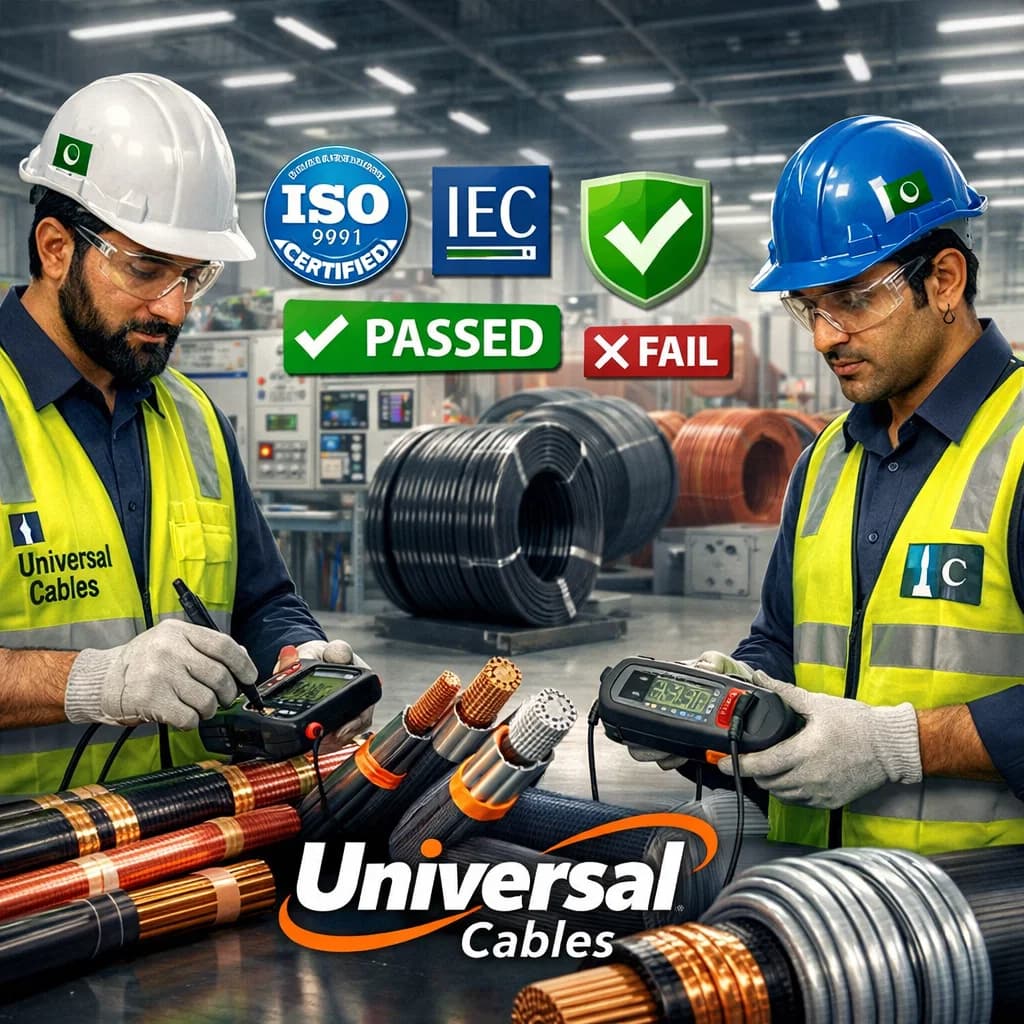

Electrical cables are the lifelines of modern homes, commercial establishments, and industrial setups. They carry electricity from power sources to appliances, machinery, and infrastructure, ensuring that our daily operations run smoothly. However, not all cables deliver the same level of safety and reliability. Poor-quality cables can pose serious risks such as electrical shocks, short circuits, fires, and damage to expensive equipment. Choosing the right cables is not just about functionality; it is a matter of safety and long-term investment.
This is where certifications come into play. Certifications act as a mark of quality assurance, demonstrating that a cable has been tested, approved, and meets recognized national or international standards. For anyone seeking dependable electrical solutions, especially from reputable electric cable manufacturers in Pakistan, certified products offer peace of mind and guaranteed performance.
Investing in certified cables ensures safety, compliance with legal regulations, and protection for both residential and industrial setups. With the rise in technological advancements and energy needs, understanding the importance of certified cables is crucial for contractors, homeowners, and industrial buyers alike.
Understanding Electrical Cable Certifications
Electrical cable certifications are official approvals that verify a product meets specific safety, quality, and performance standards. These standards may be set at national or international levels, ensuring that the cables are safe to use and reliable over time.
National certifications in Pakistan, such as those from the Pakistan Engineering Council (PEC), guarantee compliance with local regulations. International certifications like KEMA or ISO standards highlight adherence to global benchmarks for safety and quality.
Obtaining these certifications typically involves rigorous testing for electrical resistance, insulation durability, fire safety, and material quality. Certified cables also demonstrate compliance with environmental and workplace safety guidelines. For buyers seeking trusted electric cable manufacturers in Pakistan, certifications serve as a reliable indicator of product integrity and long-term performance.
Why Certifications Matter
Certifications are not merely paperwork; they are essential indicators of safety, reliability, and legal compliance.
-
Safety: Certified cables undergo thorough testing to withstand electrical faults, overheating, and environmental conditions, minimizing risks such as fires and electrical shocks.
-
Reliability: Certifications assure buyers that the cables deliver consistent performance under varying loads and conditions. This is particularly important for industrial machinery, solar installations, and IT infrastructure.
-
Legal Compliance: Using certified cables ensures that electrical installations meet regulatory requirements in Pakistan, which can prevent legal liabilities and insurance complications.
By choosing certified products from established electric cable manufacturers in Pakistan, buyers can be confident in both quality and long-term performance.
Risks of Using Non-Certified Cables
Non-certified cables may appear cost-effective initially, but the risks often outweigh the savings.
-
Electrical Hazards: Poor-quality cables can lead to short circuits, overheating, or even fires, posing danger to occupants and property.
-
Equipment Failure: Sensitive devices like computers, industrial machinery, and home appliances can malfunction due to inconsistent or poor-quality electrical supply.
-
Maintenance and Replacement Costs: Uncertified cables often wear out quickly, requiring frequent repairs or replacements.
-
Insurance Issues: Many insurance policies do not cover damages caused by uncertified products, leaving homeowners or businesses financially exposed.
These risks are significant across residential, commercial, and industrial sectors, making certified cables an essential choice for safety and reliability.
Key Types of Electrical Cables in Pakistan
Understanding the different types of electrical cables helps in selecting the right product for specific applications.
-
House Wiring Cables: Designed for safe electricity distribution in homes, these cables are insulated to prevent short circuits and fires. Certified house wiring cables ensure safety for daily household use.
-
Low Voltage Cables: These cables are used in lighting, appliances, and control systems. Reliable low voltage cables in Pakistan provide stable electricity, reduce the risk of faults, and are crucial for commercial and residential buildings.
-
DC Solar Cables: Specialized cables for solar panels and renewable energy systems. High-quality dc solar cables in Pakistan are weather-resistant, UV-protected, and capable of carrying direct current efficiently over long distances.
-
Medium Voltage Cables: Used in industrial setups and commercial power distribution, these cables handle higher loads and require robust insulation and performance standards.
Each type of cable has unique requirements, and choosing certified products ensures safety, efficiency, and durability in various industries.
How Certifications Ensure Cable Quality
Certifications are backed by rigorous testing processes that guarantee cable quality. Independent laboratories assess electrical, mechanical, and environmental properties of cables.
Testing includes:
-
Material Quality: High-grade copper or aluminum conductors ensure optimal conductivity and minimal energy loss.
-
Insulation Standards: Certified insulation prevents short circuits, electrical shocks, and fire hazards.
-
Durability Tests: Exposure to heat, humidity, and outdoor conditions ensures long-term performance.
With certified cables, customers can trust that each product maintains high standards, reduces maintenance costs, and delivers consistent performance under harsh conditions.
Role of Reputable Manufacturers
The reputation of the manufacturer plays a vital role in ensuring product quality. Choosing established electric cable manufacturers in Pakistan guarantees:
-
Expertise in production, design, and technology.
-
Commitment to quality control and adherence to certifications.
-
Consistency in performance across different batches.
Manufacturers with decades of experience, advanced machinery, and skilled human resources are better positioned to produce high-quality, certified cables. Their dedication to maintaining certifications for every batch strengthens consumer trust and reduces risks associated with faulty cables.
Industry Applications of Certified Cables
Certified cables are essential across multiple industries:
-
Home & Office: Certified house wiring cables ensure safe distribution and reliable electricity supply.
-
Construction: Medium and low voltage cables provide robust infrastructure for commercial and residential buildings.
-
Solar Energy: Certified dc solar cables in Pakistan guarantee weather resistance, efficiency, and safety for renewable energy installations.
-
Automobile and Electronics: Specialized low voltage cables support sensitive equipment and vehicle systems.
-
IT & Data Centers: High-performance certified cables are crucial for uninterrupted operations, reducing downtime and data loss.
In every sector, certified cables reduce risks, improve safety, and enhance overall performance.
Improving Longevity and Performance
Investing in certified cables directly impacts the longevity and performance of electrical systems.
-
Reduced Maintenance Costs: High-quality cables require fewer repairs or replacements.
-
Minimized Faults: Certified products prevent overheating, short circuits, and energy losses.
-
Consistent Performance: Certified cables maintain efficiency under different environmental conditions, ensuring stable electricity delivery for homes, offices, and industries.
Long-term reliability is not just an added benefit but a critical factor for businesses and homeowners seeking sustainable electrical solutions.
How to Verify Cable Certifications
Before purchasing electrical cables, verifying certifications is essential. Buyers should:
-
Request certificates issued by recognized laboratories and standards authorities.
-
Check authenticity through official manufacturer websites or recognized regulatory databases.
-
Look for internationally recognized standards, such as ISO, IEC, KEMA, and PEC, which indicate global compliance.
Verified certifications ensure that cables meet the required safety and quality benchmarks, providing confidence for both residential and industrial applications.
Conclusion
Certifications are a cornerstone of quality, safety, and reliability in electrical cables. They provide assurance that products meet rigorous standards and protect users from hazards associated with poor-quality wiring. Whether for home wiring, industrial setups, or solar projects, investing in certified products is a practical and responsible choice.
Choosing established electric cable manufacturers in Pakistan ensures access to high-quality low voltage cables in Pakistan, reliable dc solar cables in Pakistan, and other essential electrical solutions. Certified cables reduce maintenance costs, improve longevity, and comply with local and international safety regulations.
For homeowners, contractors, and industrial buyers, prioritizing certified cables is not just an option but a necessity. It ensures safety, efficiency, and peace of mind, making it a smart long-term investment in both electrical infrastructure and operational reliability.