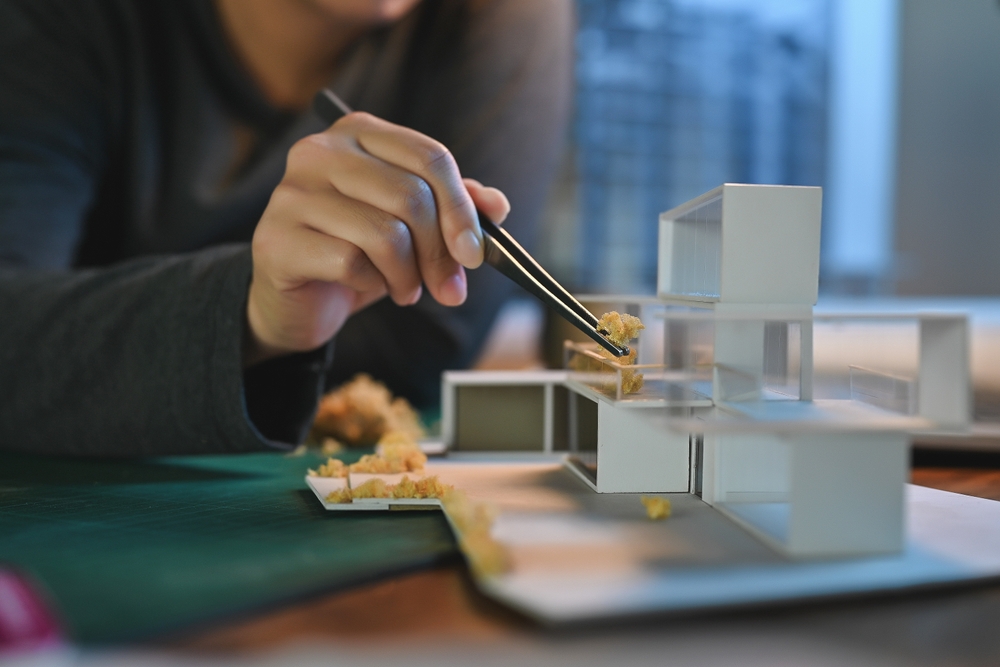

Across India, architecture has moved beyond the pursuit of iconic structures or visual expression alone. For corporates, developers, and hospitality owners, design is now expected to perform. Buildings must support how people work, how businesses operate, and how assets function over time. This movement has reshaped what is considered the best architecture design in India, with real-world use at the heart of every design choice.
Whether the asset is a corporate workplace, a mixed-use development, or a hospitality property, successful architecture starts by comprehending behaviour, movement and operational requirements. Design that responds to how spaces are actually used delivers stronger efficiency, brand alignment, and long-term value.
From Visual Form to Functional Performance
Traditionally, architectural success was often determined by appearance and form. While aesthetics are always important, modern real estate projects demand more. Today, architecture must increase productivity, provide flexibility, and incorporate changing user expectations.
In India’s commercial real estate market, this evolution has all been fueled by changing work patterns, sustainability objectives, and growing operational costs. Corporates seek offices that improve employee experience and collaboration. Developers want to design assets that lease more quickly and perform much better. Hospitality operators require layouts that streamline service while enhancing guest comfort.
The best architecture design in India reflects this transition. It starts with examining how people move through a space, how frequently areas are used, and how design choices impact daily operations. When architecture adapts to these influences, it becomes a strategic tool rather than a static structure.
How Usage Led Design Shapes Office Environments
Workplace design is one of the clearest examples of how architecture and usage are now inseparable. Offices today must enable focus, collaboration, hybrid work, and well-being, sometimes within the same floor plate.
This is where architecture and interiors collide. The best office interiors in India aren’t designed in isolation. They are developed alongside architectural layouts that take into account circulation, daylight access, acoustics, and flexibility. Meeting rooms, work zones, and collaborative areas are positioned based on how teams interact, not just where walls can be placed.
Usage-led architecture improves space efficiency and reduces wasted areas. It also enables future adaptability, allowing offices to evolve as organizations grow or work patterns change. These outcomes directly influence productivity, employee satisfaction, and long-term occupancy decisions.
Design Decisions That Support Business Identity and Culture
Architecture plays a crucial role in conveying brand identity. For both corporate and hospitality brands, the built environment must convey values, professionalism, and intent.
When design begins with how spaces are used, brand expression becomes more authentic. Reception areas reflect visitor flow. Collaboration zones mirror organizational culture. Lobbies and guest areas in the hotels are designed to guide instead of forcing movement.
This alignment of design and usage guarantees that architecture contributes towards the business narrative while being functional. The result is a space that feels intuitive, purposeful, and aligned with both users and brand goals.
Connecting Architecture With Long Term Operations
One of the most underestimated parts of architectural design is its impact after construction is complete. Poorly planned layouts can increase maintenance costs, disrupt workflows, and limit operational efficiency.
This is especially relevant in hospitality assets, where design directly influences service delivery, staffing efficiency, and guest experience. The connection between architecture and property management hospitality becomes clear when back-of-house planning, circulation routes, and service access are considered early in the design phase.
Usage-focused architecture supports smoother operations by reducing friction in everyday tasks. For hotels and serviced properties, this can result in better guest satisfaction, lower operating costs, and improved asset performance over time.
Designing for Flexibility and Sustainability
India’s real estate assets must be strong in the face of changing regulations, shifting occupier expectations, and sustainability requirements. Usage-led architecture naturally fits this need.
Flexible layouts enable spaces to adapt without requiring structural changes. Efficient circulation increases energy performance and reduces operating strain. Thoughtful material selection and daylight planning improve sustainability while supporting user comfort.
These principles are now central to the best architecture design in India, particularly in office and hospitality developments, where adaptability and efficiency directly influence asset longevity.
Conclusion
Architecture in India has reached a more mature and purposeful stage. The most successful projects are no longer defined primarily based on form or visual influence, but rather by how well spaces support people, operations, and long-term performance.
The best architecture design in India starts with understanding how spaces are utilized, how people move, and how structures work over time. When architecture is shaped by real-world behaviour and aligned with interior planning and operational strategy, it delivers stronger outcomes for businesses and asset owners alike.
Through its integrated design services, Colliers continues to help clients translate design vision into commercially successful spaces. By aligning architecture, interiors, and asset performance, Colliers enables environments that are efficient, adaptable, and built for sustained value.
FAQ
- Why does space usage matter more than aesthetics in architecture
Because buildings that reflect real movement, occupancy, and operations perform better over time and require fewer corrective changes. - What role do office interiors play in overall architectural success
Office interiors translate architectural intent into daily usability, directly affecting comfort, efficiency, and employee experience. - How does architectural planning impact hospitality operations
Thoughtful planning supports smooth service circulation, efficient staffing, and consistent guest experience across the property. - Why is architecture important for long-term property management
Design choices influence maintenance effort, operating costs, and how easily an asset can be managed and adapted in the future.